Description
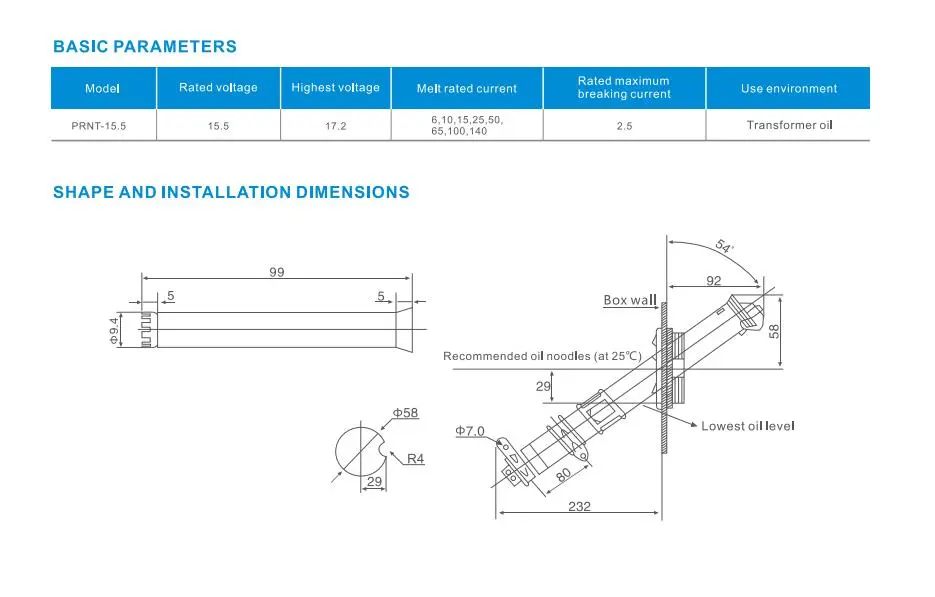
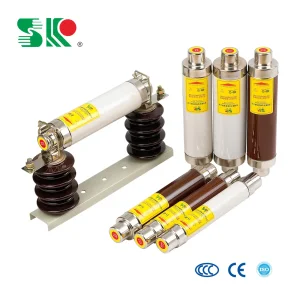
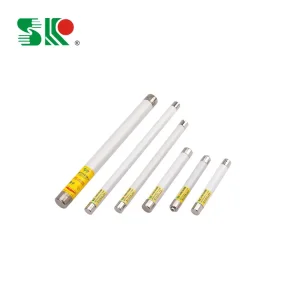
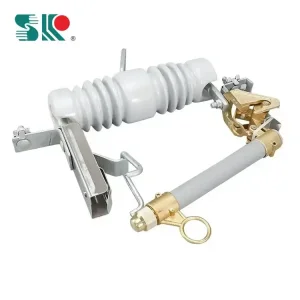
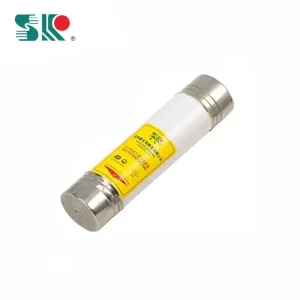
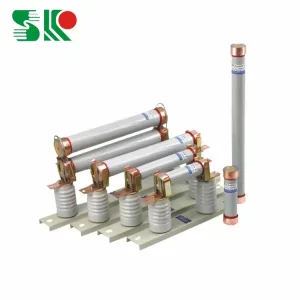
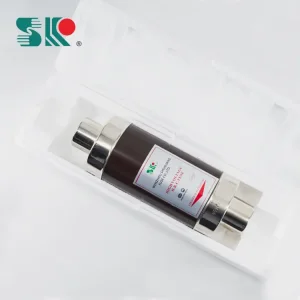
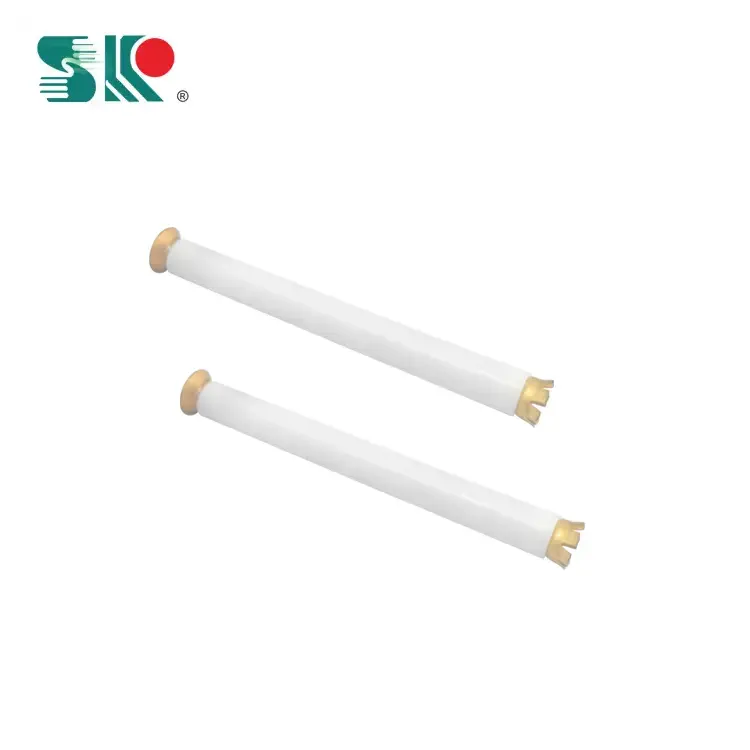
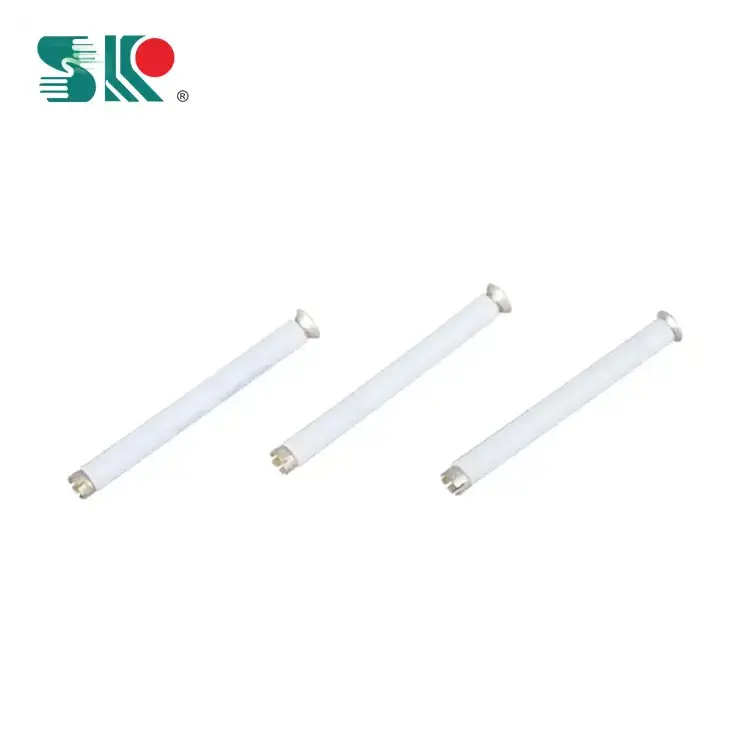
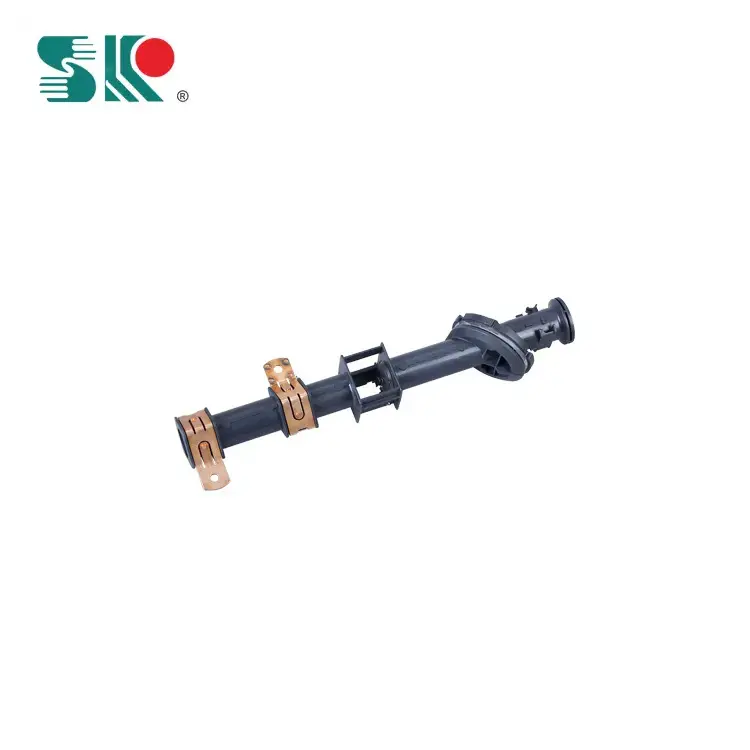
Bayonet fuses are widely used in padmount transformers and are considered the industry standard for transformer fusing. These fuses are a type of expulsion fuse, which is commonly used in electrical distribution systems on utility poles and inside transformers.
Expulsion Technology
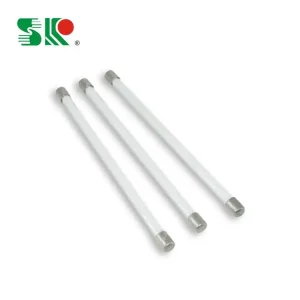
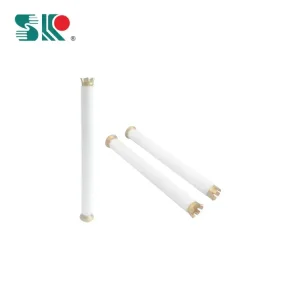
Features a thin, fusible element that melts under high current or temperature to create a controlled internal arc.
Fault Management
Effectively handles overheating, overloading, secondary faults, and low-level short circuits to protect equipment.
Expulsion fuses, including bayonet fuses, have a thin, fusible element that melts when subjected to high current or temperatures. When the element melts, it creates an arc inside the fuse housing. The arc heat interacts with a special lining in the housing, generating gasses that fill the housing and quickly extinguish the arc, and prevent current flow.
Bayonet fuses are designed to handle most common electrical distribution system issues. The cause of these issues can typically be identified and resolved by experienced electrical workers. If quickly cleared by the bayonets, they do not often cause lasting damage. Once the issue is resolved, the bayonet fuse is replaced, and the transformer can be energized.
What are bayonet fuses primarily used for?
They are the industry standard for fusing in padmount transformers and are also utilized in utility poles and distribution systems.
How does a bayonet fuse extinguish an electrical arc?
When the element melts, the resulting heat reacts with a special lining in the housing to generate gases that extinguish the arc and stop the current.
What types of electrical issues can these fuses handle?
They protect against overheating, overloading, secondary faults, and low-level short circuits within the distribution system.
Can a transformer be reused after a bayonet fuse clears a fault?
Yes, as long as the fault was cleared quickly and the underlying issue is resolved, the fuse is simply replaced and the transformer re-energized.
Why are they called expulsion fuses?
The name comes from the mechanism where gases generated inside the fuse housing "expel" or extinguish the arc during a fault event.
Who should handle the replacement of these fuses?
The identification of issues and replacement of bayonet fuses should always be performed by experienced and qualified electrical workers.
 Shu Guang