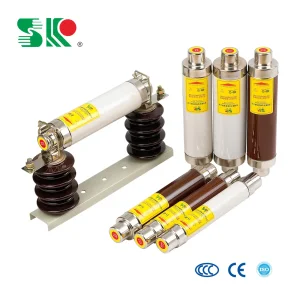
 Shu Guang
Shu Guang
Shu Guang
Explore our flagship lines engineered for robust electric distribution protection and extreme industrial environments.

Established in 1992 as the "Yueqing Shuguang Fuse Factory," our organization has spent over three decades evolving into a major powerhouse of electrical protection equipment. Located in Yueqing, Zhejiang Province—widely recognized as the "Electrical Capital of China"—we integrate high-end R&D, sophisticated lean manufacturing, international trade, and technical support.
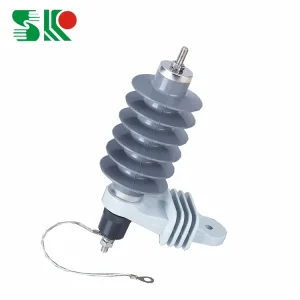
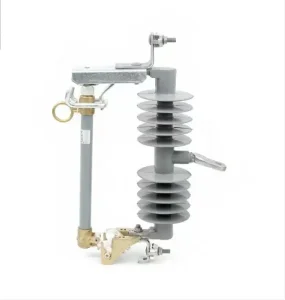
Over the years, we have solidified our authority in medium and high-voltage grid safety. By maintaining complete oversight over product assembly and utilizing certified materials, we ensure every single Type K fuse link, drop-out fuse cutout, and surge arrester leaving our doors performs exceptionally under critical system loads.
Connect With Our Technical TeamDesignated by the Ministry of Electric Power Industry to manufacture advanced high-voltage systems and protective units conforming to global testing mandates.
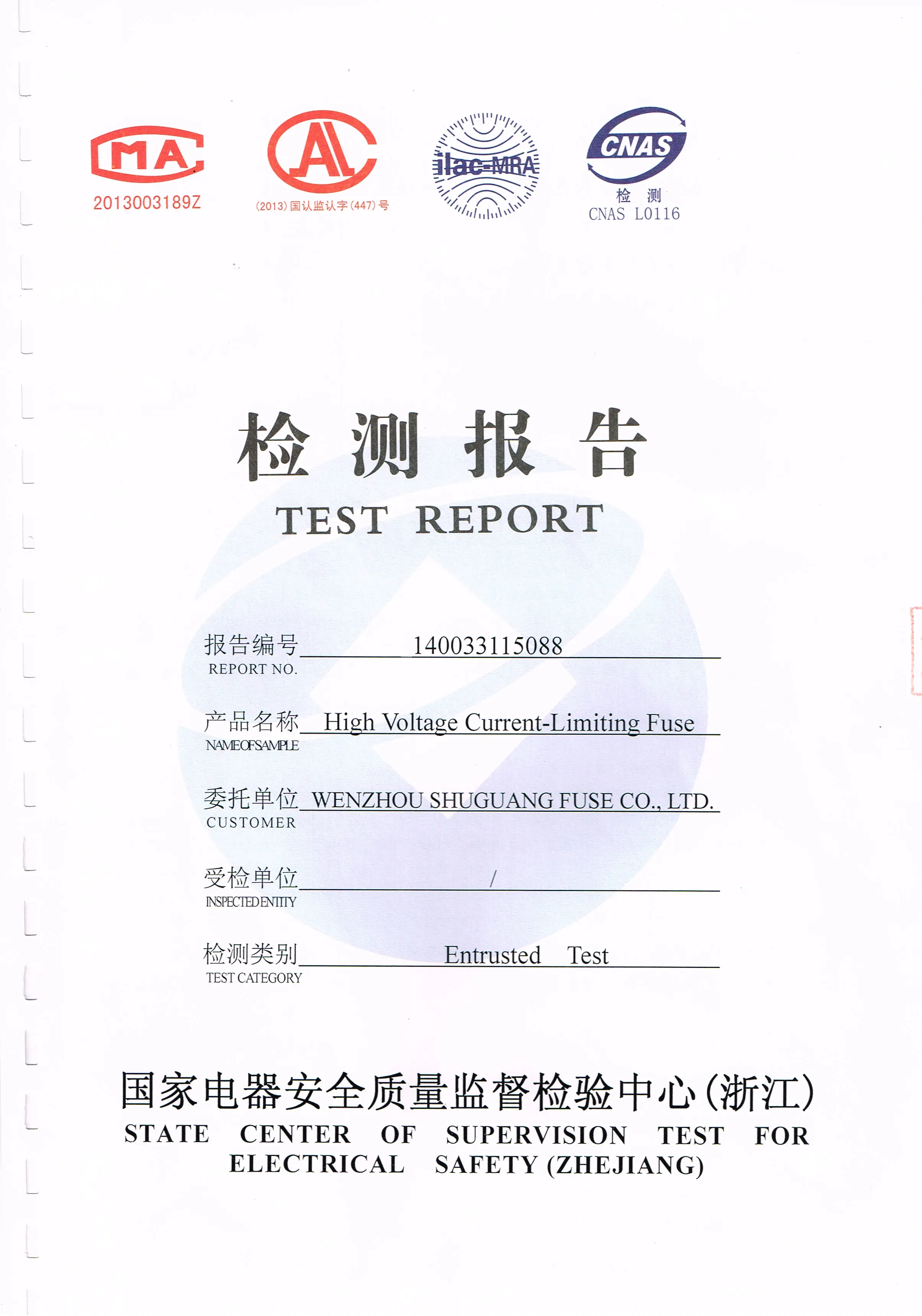
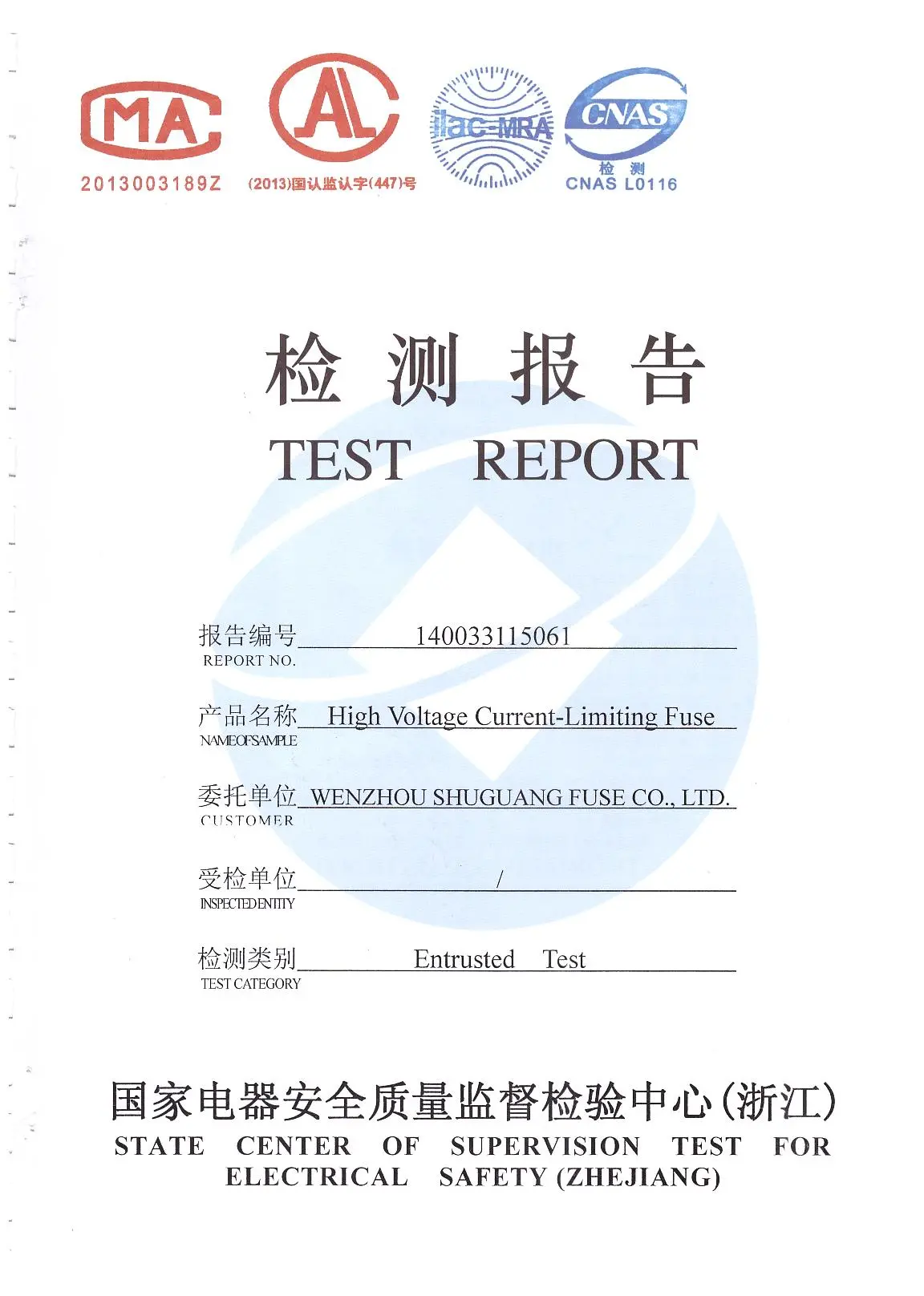
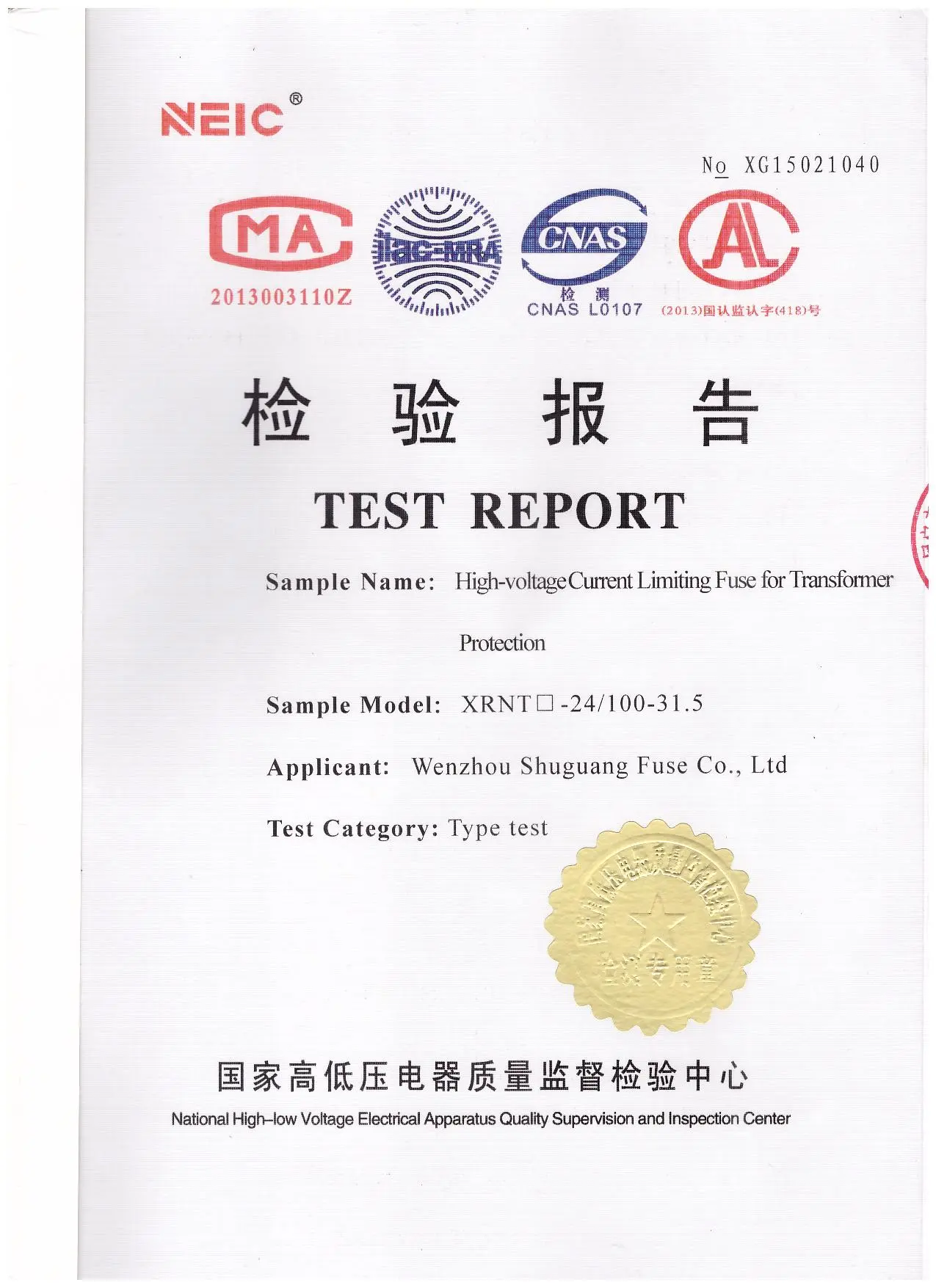
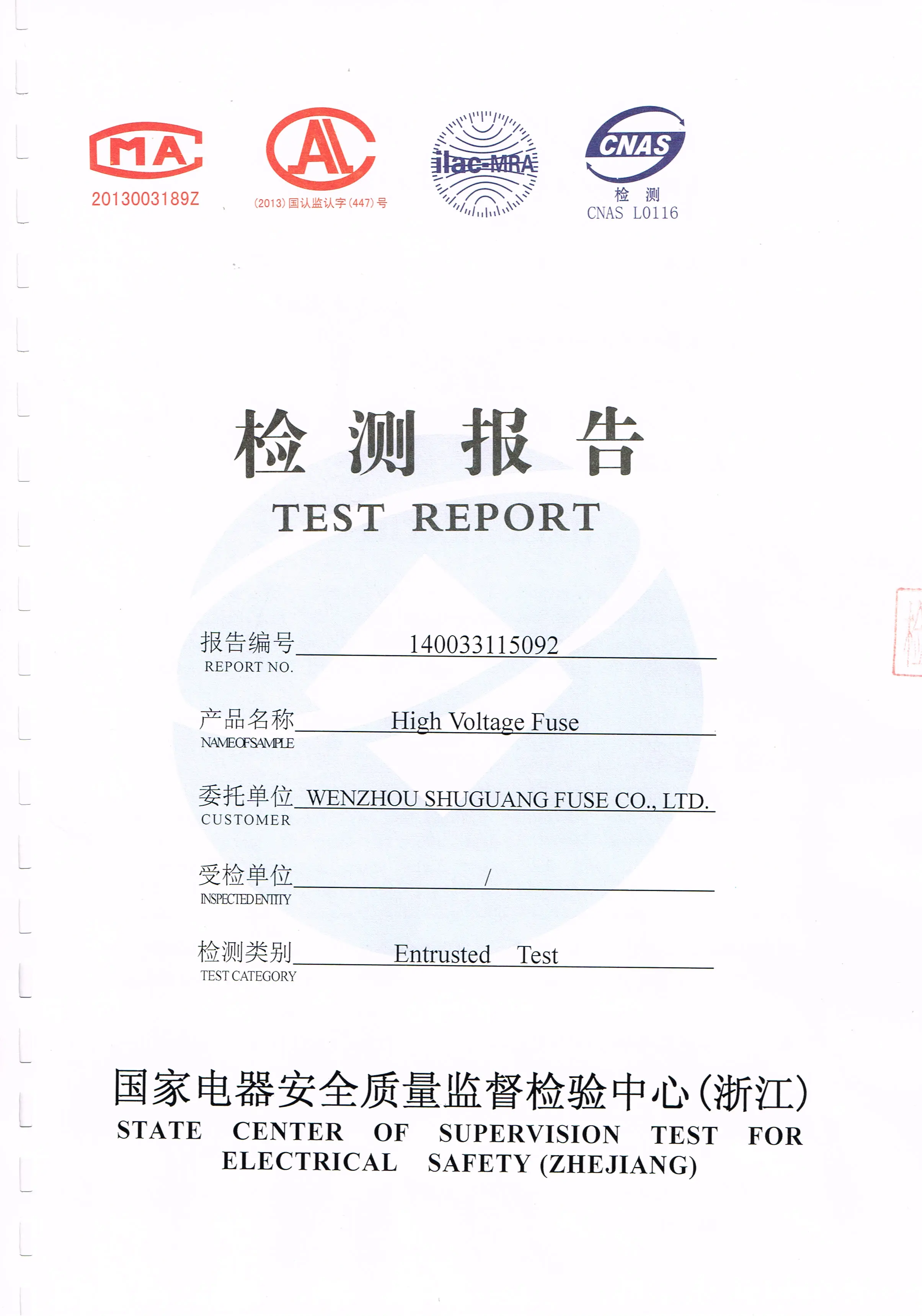
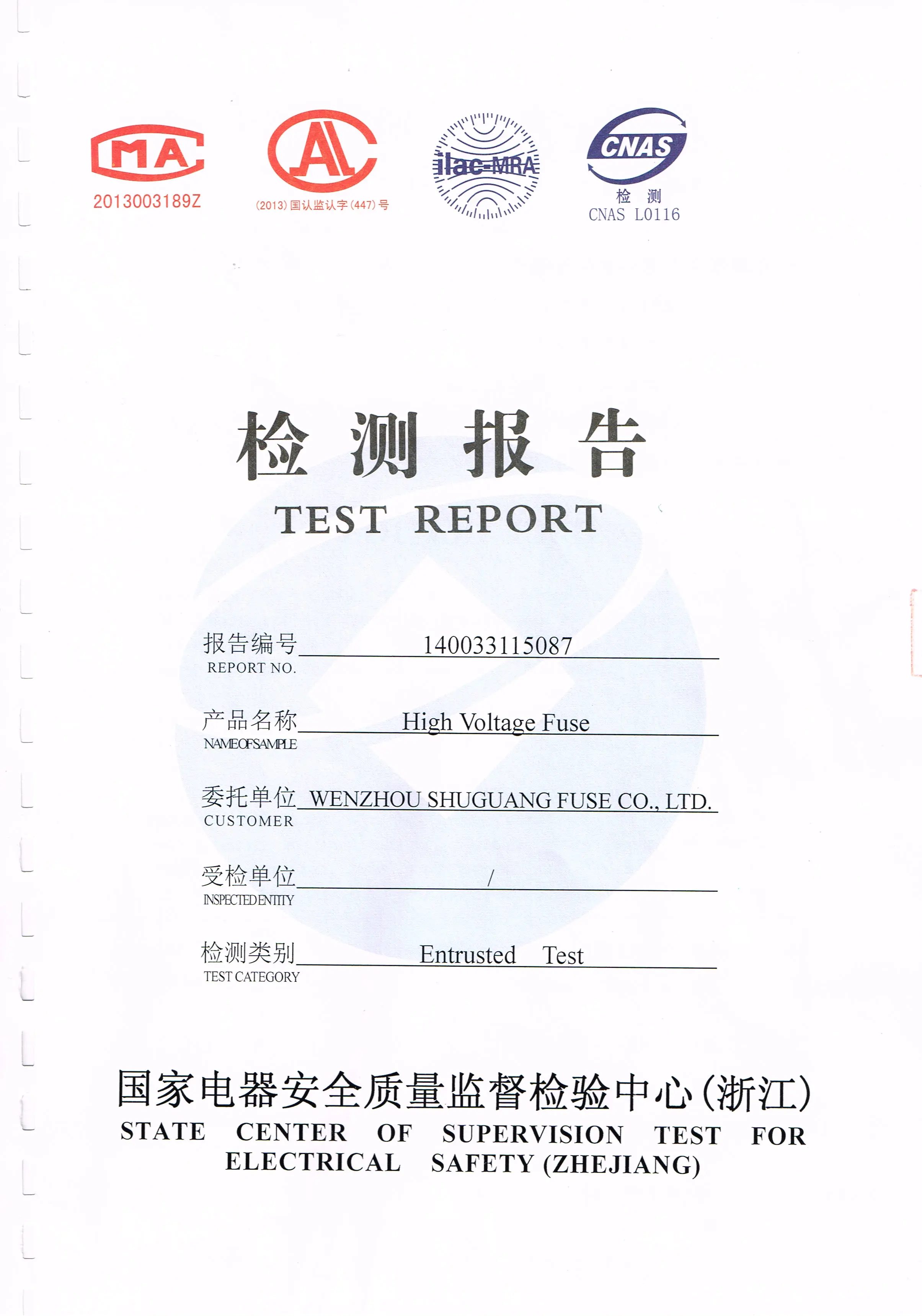
Our entire high-voltage product family has successfully undergone type testing at prestigious national laboratories, including the High-Power Test Station of the Electric Power Research Institute, the National High-voltage Electrical Apparatus Quality Supervision and Inspection Center, the Xi'an High-voltage Electrical Apparatus Research Institute, and other designated laboratories.
We conform stringently to high-voltage standards: ANSI C37.42, DIN 43625, BS 2692, IEC 60282-1, IEC 60282-2, IEC 60644, IEC 60470, IEC 269-2, alongside national standards GB 15166.1, GB 15166.2, GB 15166.5, GB 13593, and DL/T 640-1997.
Understand the precise timing characteristics and metallurgical composition that make Type K fuses vital for system coordination.
In medium-voltage distribution systems (typically ranging from 10kV to 38kV), fuse links are classified based on their speed and response curves. A Type K fuse link is classified as a "fast-acting" fuse link according to standard ANSI C37.42. The "speed ratio" of a fuse link indicates how quickly it melts when subjected to high overcurrent levels. Specifically, the speed ratio of a Type K fuse link is defined as the ratio of the minimum melting current that causes operation in 300 seconds to the minimum melting current that causes operation in 0.1 seconds.
For Type K fuse links, the speed ratio ranges strictly between 6.0 and 8.0. This quick clearing action makes them ideal for isolating faults rapidly, protecting downstream distribution transformers, and preventing damage to power lines due to sustained short circuits.
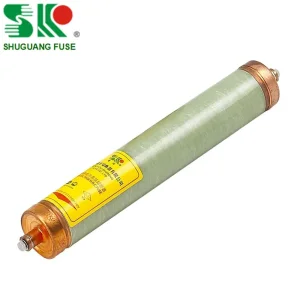
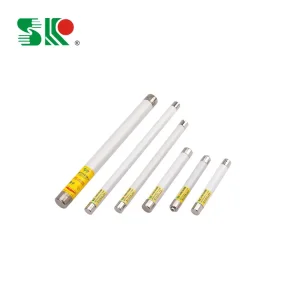
To achieve reliable curves, the melting element of a Type K fuse is meticulously constructed from specific materials such as silver-plated copper, silver, or tin-alloy wires. High-quality manufacturers like Wenzhou Shuguang Fuse Co., Ltd. leverage advanced metallurgical processes to eliminate micro-fractures in the fusible wire. The element is housed inside an auxiliary vulcanized fiber arc-extinguishing tube, wrapped in specialized fiberglass thread.
During overload or fault scenarios, the element melts, initiating an electric arc. The extreme temperature of the arc vaporizes the organic lining of the inner fiber tube, releasing a de-ionizing gas. This gas rapidly builds up pressure, cooling and extinguishing the arc at the current zero-crossing point, safely isolating the circuit.
Why Yueqing remains the global hub for competitive pricing, reliable metallurgy, and rapid customization scales.
Yueqing possesses the world's most concentrated electrical manufacturing cluster. From raw copper and high-purity silver processing to vulcanized fiber tubing and premium porcelain/polymer insulators, every component is sourced within a 15km radius, reducing logistical costs and bottlenecks.
Whether you require unique buttonhead designs for regional utility styles (removable or non-removable), specific dual-element configurations for thermal control, or customized lengths for custom drop-out cutouts, Chinese factories offer quick tooling modifications and tailored prototyping.
Partnering with China's domestic institutes ensures high-power test reports for short-circuit interrupting capacity, lightning impulse withstand voltage, and long-term temperature rise. This translates into reliable field operations under real-world grid stressors.
Choosing the correct fuse link type is critical to prevent miscoordination and unnecessary power outages.
| Performance / Feature | Type K (Fast-Acting) Fuse Link | Type T (Slow-Acting) Fuse Link | Key Selection Decision Factor |
|---|---|---|---|
| Speed Ratio Range | 6.0 to 8.0 | 10.0 to 13.0 | Type K melts faster; Type T handles transient surges longer. |
| Transient Surge Tolerances | Lower tolerance for transient overcurrents (lightning, motor startup). | Higher tolerance; delays melting under momentary overload currents. | Use Type T where heavy transformer energization currents occur. |
| Line Sectionalizing | Excellent for lateral lines to clear faults before main recloser opens. | Ideal for coordinating in series with other overcurrent devices. | Determined by system coordination studies and existing breaker settings. |
| Element Metallurgy | Mainly pure silver or silver-plated copper with instant-release design. | Often incorporates dual-element design with a low-melting solder joint. | Manufacturing cost varies slightly; Type K is simpler and highly reproducible. |
Deploying reliable cutouts and fuse links across modern power systems and renewable energy plants.
In municipal and rural power grids, Type K fuse links are fitted inside drop-out fuse cutouts on tap lines. By responding instantly to temporary faults (such as tree branches touching lines), they isolate the fault quickly and prevent the upstream substation breaker from tripping unnecessarily.
Power factor correction capacitor banks are highly sensitive to internal overcurrents. A single failing capacitor unit can quickly swell or rupture. Type K fuses offer the fast-acting thermal response needed to isolate faulted capacitor units before cascading failures occur.
Renewable energy generation involves extensive medium-voltage cable networks. Type K fuses protect pad-mounted transformers and sectionalizing enclosures, preventing system-wide voltage drops in wind farms or utility-scale photovoltaic plants when local cable faults occur.
Wenzhou Shuguang Fuse Co., Ltd. continuously refines production workflows to exceed rigorous modern quality checks.
In recent years, our company has developed rapidly, improving its economic and social benefits by strictly refining our manufacturing processes. High-quality raw materials and sophisticated testing equipment are the foundation of our quality assurance system.
To ensure zero-defect production, our factory employs automated wire-drawing and tension-winding machinery that controls the mechanical tension of the fuse link wire during assembly. If the tension is too high, the fuse wire may fatigue and break prematurely in the field; if too low, the physical dimensions will vary, altering the time-current response curve.
Every batch of Type K fuses undergoes routine electrical resistance measurements and dimensional checks. Custom-designed shapes and special current ratings can be developed according to customer specifications, ensuring seamless integration into legacy grid setups.
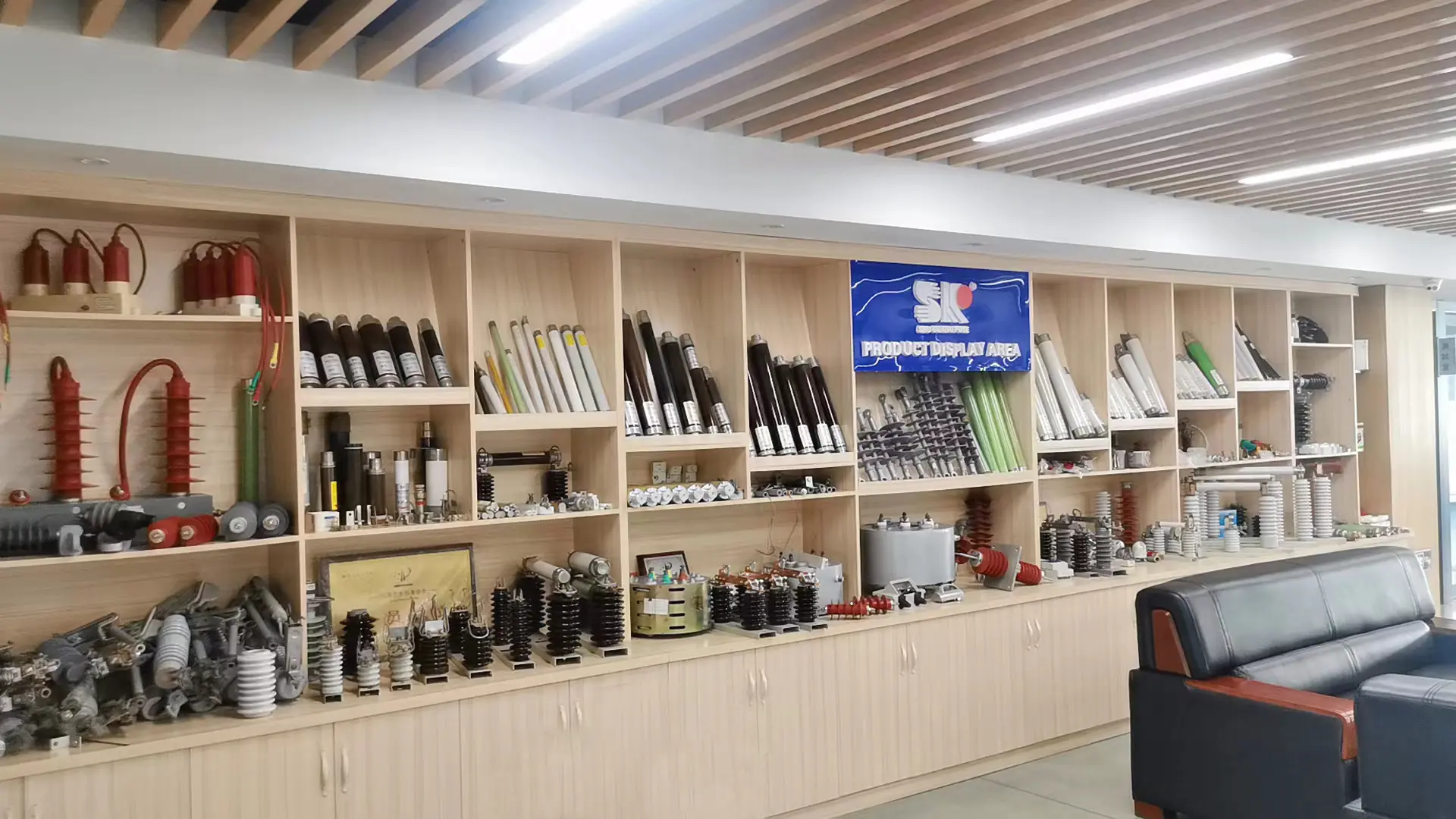
We source high-purity silver elements and vulcanized fiber tubes that meet international standards to ensure consistent electrical characteristics.
Fusible wires are measured, tension-controlled, and crimped to buttonheads using calibrated tooling to prevent micro-fracturing.
Finished units are sample-tested for resistance, insulation strength, and interrupting capability to guarantee standard compliance.
Essential factors for distribution engineers and utility supply chain managers when auditing Chinese fuse factories.
Always request type-test reports from independent laboratories (like Epri, Xi'an High-Voltage Apparatus Research Institute, or equivalent KEMA-affiliated entities). Check that the test documents show compliance with the standards applicable to your region (such as ANSI C37.42 for North and South America, or IEC 60282-2 for European and Middle Eastern grid systems).
Fuse cutouts vary. Some require removable buttonheads to attach link extenders or bypass equipment, while others use fixed designs. Specifying this during the request for quote (RFQ) stage prevents physical assembly mismatches on site.
For coastal or highly polluted industrial locations, fuse links must resist corrosion. Insist on silver-plated copper parts or high-grade tin-alloys to prevent premature corrosion and oxidation of the link, which can lead to nuisance operations.
Because fuse links are sensitive to moisture (which can degrade the vulcanized fiber arc-extinguishing tube), premium packaging is essential. Make sure the manufacturer uses hermetically sealed plastic sleeves inside durable cardboard boxes to protect the links during sea freight and warehouse storage.
Browse our additional high-voltage fuses, arresters, and protection components designed to secure utility infrastructures.
Direct technical answers addressing system design, standards, installation, and procurement parameters.
A Type K fuse link is a fast-acting fuse link categorized under ANSI C37.42. It has a speed ratio of 6.0 to 8.0, meaning it melts quickly during overcurrent situations. This makes it ideal for rapid fault isolation in medium-voltage overhead distribution systems.
The primary difference is speed. A Type K (fast) fuse link has a speed ratio between 6.0 and 8.0, while a Type T (slow) fuse link has a speed ratio of 10.0 to 13.0. Type T fuses can handle high transient currents (such as transformer startup surges) without blowing, whereas Type K fuses respond faster to clear downstream line faults.
Type K fuse links are typically designed for medium-voltage networks, including systems rated at 10kV, 15kV, 24kV, 27kV, 33kV, and 38kV. They are installed inside standard drop-out fuse cutouts or indoor distribution enclosures.
Yes. As a direct manufacturer, we offer both removable and non-removable buttonheads, as well as double-tail configurations. We can customize the overall length of the link wire and tube to fit non-standard fuse holder sizes.
Our fuses conform to major international standards including ANSI C37.42, DIN 43625, BS 2692, IEC 60282-1, IEC 60282-2, and Chinese national standards like GB 15166.1 and GB 15166.2. Our quality system is also ISO9001 certified.
The fuse element is enclosed in an auxiliary vulcanized fiber tube. When the element melts and forms an arc, the intense heat vaporizes the organic tube lining, generating de-ionizing gases. These gases cool the arc and extinguish it at the current zero-crossing point.
Whether you are designing a distribution network or looking to procure high-volume, reliable Type K fuses, our engineering team in Yueqing is ready to assist.