 Shu Guang
Shu Guang
Shu Guang
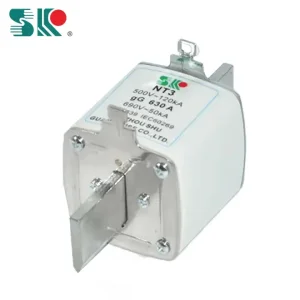
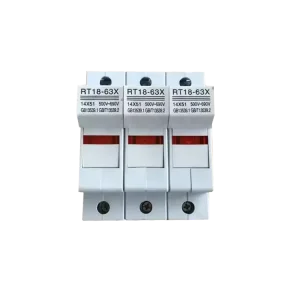
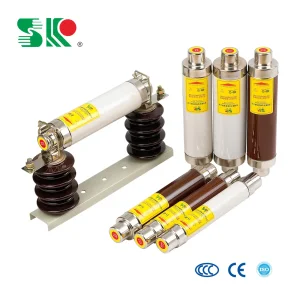
Explore our premium range of industrial high-rupturing capacity (HRC) electrical protection systems engineered for power grid stability.
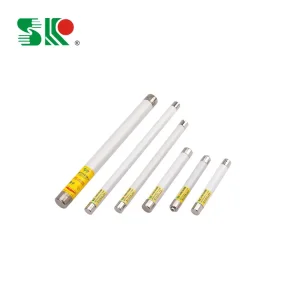
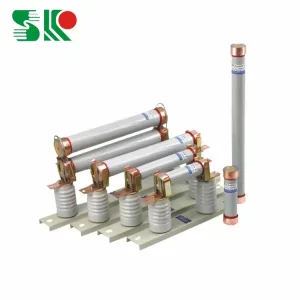
Medium voltage (MV) power grids face substantial risks from short-circuit currents. If left unchecked, these faults generate immense heat and magnetic stresses that can destroy critical assets like distribution transformers and capacitor banks. A high-rupturing capacity (HRC) current-limiting fuse acts as a sacrificial guard. Upon fault ignition, the internal silver elements melt in milliseconds, introducing a high-resistance arc that constrains and dissipates the current long before it reaches its peak prospective value.
Unlike standard expulsion fuses which rely on mechanical arc extinction and venting, HRC current-limiting fuses encapsulate the arc within highly compacted, pure quartz sand. The heat of the arc melts the sand, creating a non-conductive glass-like structure (fulgurite) that rapidly cools the plasma, guaranteeing safe, silent, and emission-free fault clearance.
Connecting the power grids of yesterday with the safe energy distribution networks of tomorrow.

Wenzhou Shuguang Fuse Co., Ltd. is located in Yueqing, Zhejiang Province, widely recognized as the Electrical Capital of China. We are a power technology enterprise seamlessly integrating scientific research, product development, robust production, sales, and technical service.
The predecessor of the company, "Yueqing Shuguang Fuse Factory," was established in 1992. Over three decades of concentrated research and systematic optimization, we have grown into one of the key manufacturers designated by the Ministry of Electric Power Industry to produce medium and high-voltage fuses of various voltage ranges. Our "Shu Rong" brand products have earned a long-standing reputation for reliability among local utilities and international grid builders alike.
With high-quality raw materials, sophisticated testing machinery, and a rigorously implemented quality assurance system, we continuously adapt to custom needs while ensuring compliance with complex electrical requirements.
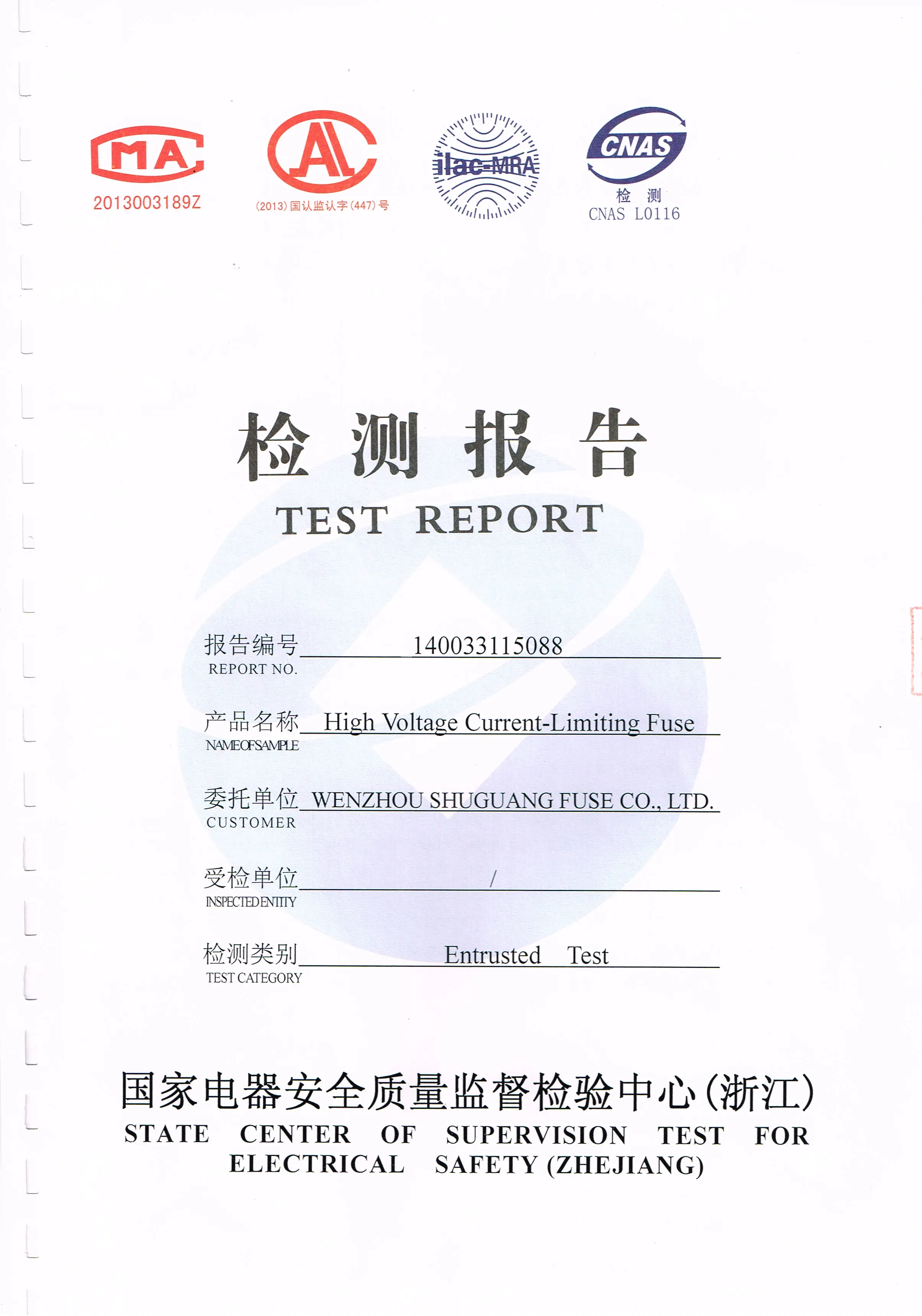
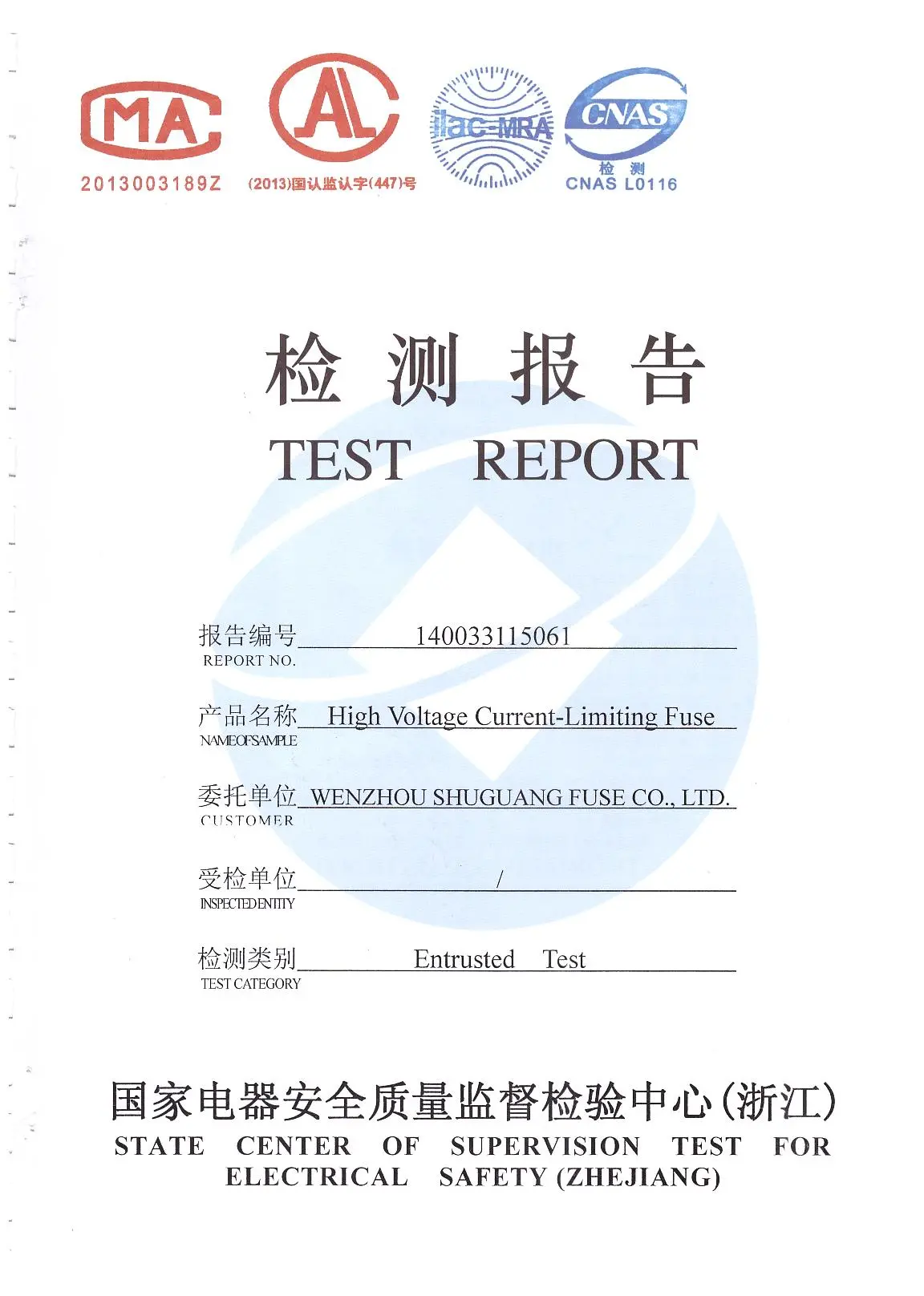
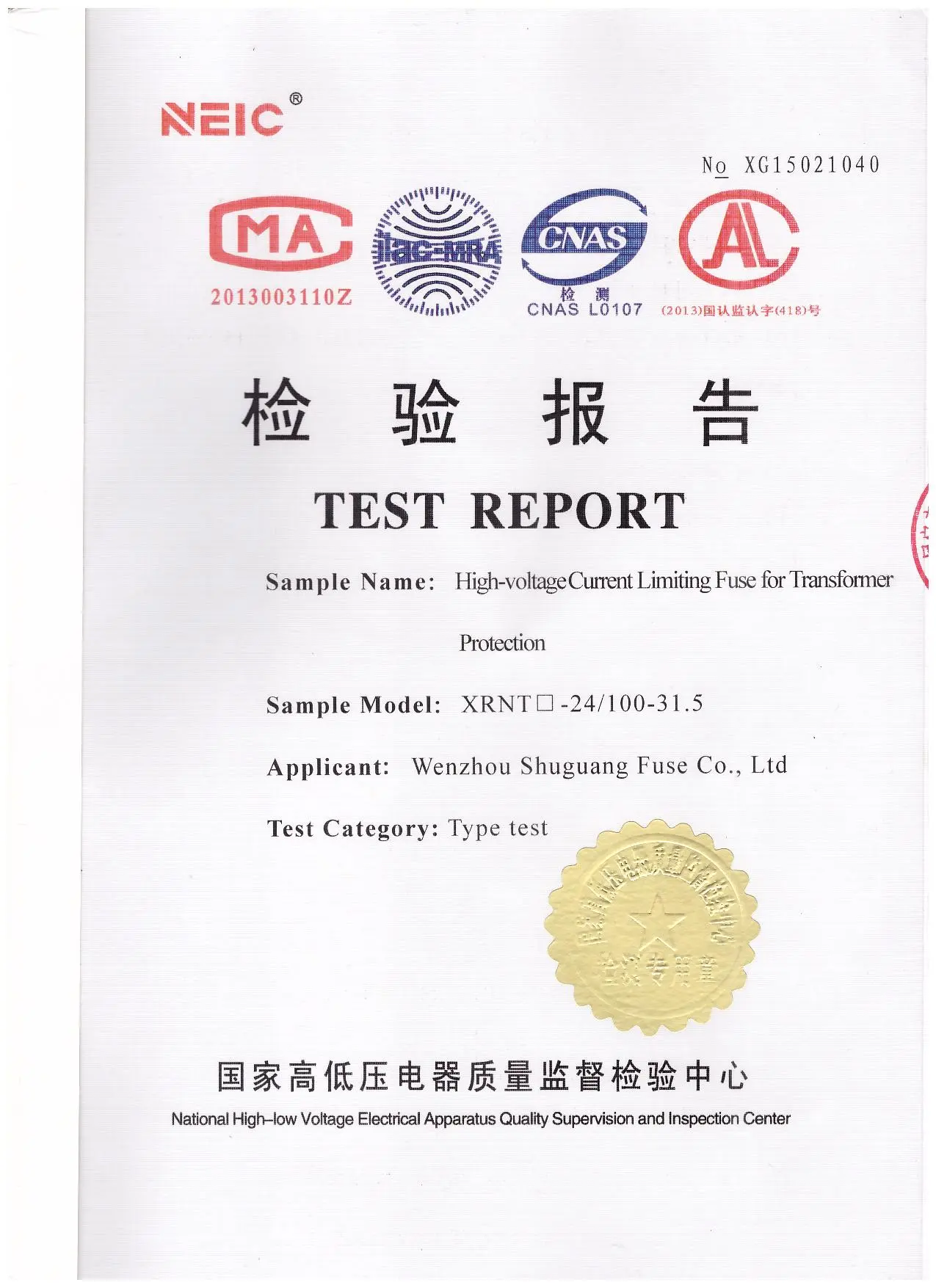
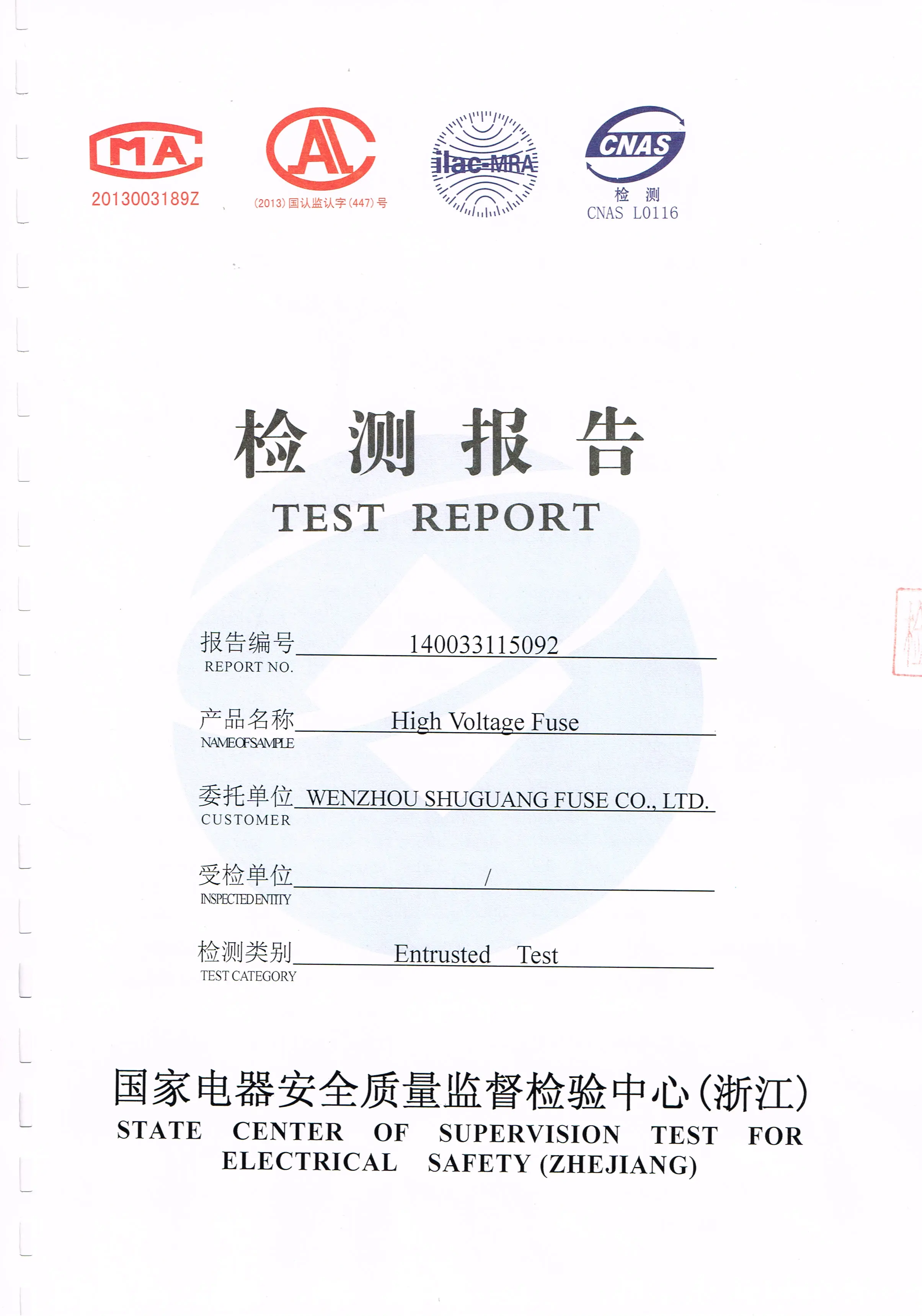
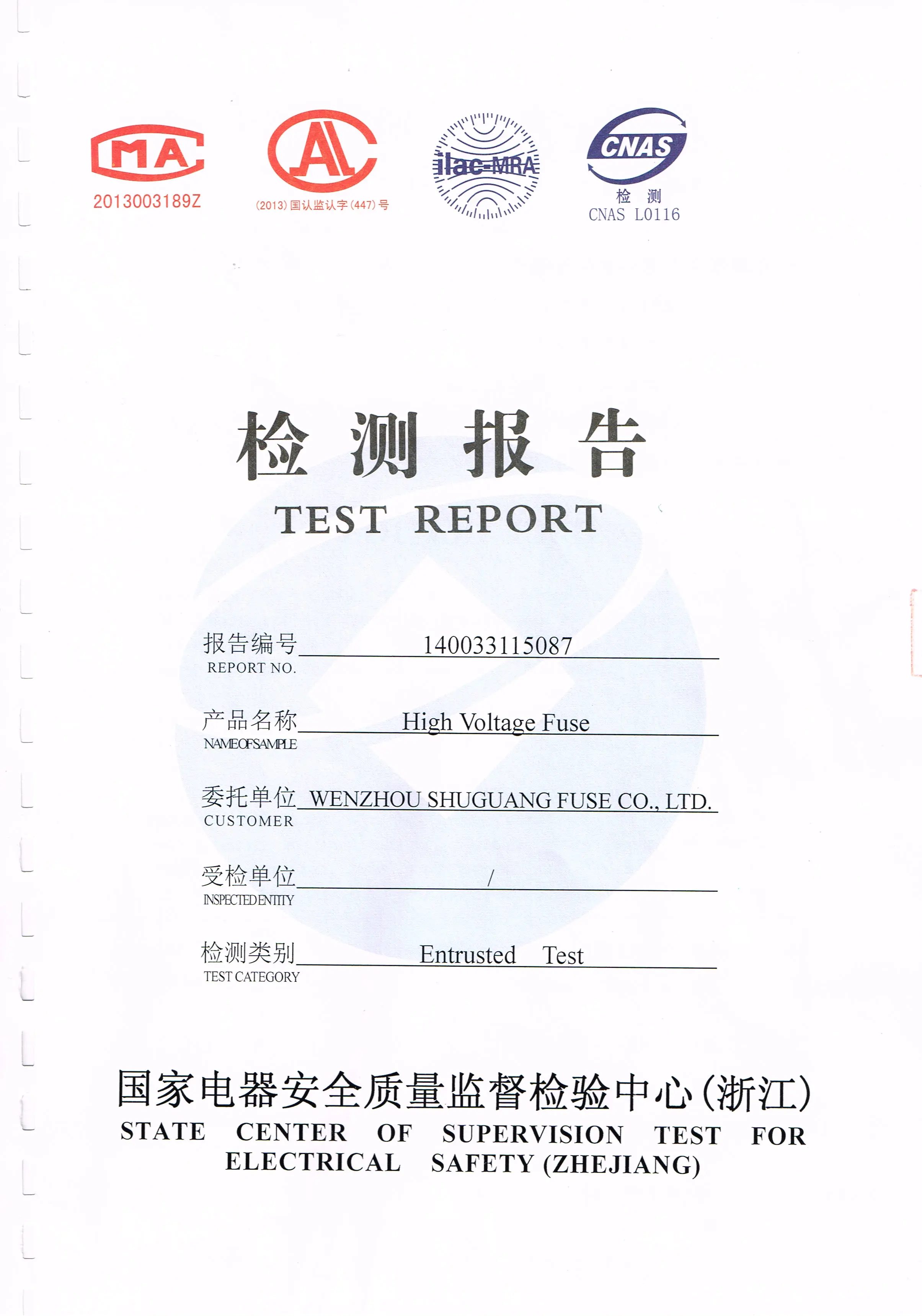
Our commitment to maximum electrical protection is verified by extensive typetests at top laboratories and certified compliance with global standards.
Products developed by Wenzhou Shuguang Fuse Co., Ltd. have successfully completed comprehensive type-testing at premier validation centers including the High-Power Test Station of the Electric Power Research Institute, the National High-Voltage Electrical Apparatus Quality Supervision and Inspection Center, the Xi'an High-Voltage Electrical Apparatus Research Institute, and the High-Voltage Electrical Apparatus Laboratory. All safety and performance parameters meet or exceed the following international standards:
| Standard Reference | Geographical Applicability | Protected Systems & Technical Parameters |
|---|---|---|
| IEC 60282-1 & IEC 282-2 | International (Global) | High-voltage current-limiting & expulsion power fuse design and testing methodologies. |
| DIN 43625 | Germany / Europe | Dimensional configurations for high-voltage fuses, assuring modular interchangeability. |
| BS 2692-1 | United Kingdom & Commonwealth | Performance and dimensions for HV fuse links used in indoor and outdoor switchgear. |
| ANSI C37.42 | United States / Americas | Specifications for distribution cutouts, fuse links, and power fuses in utility distribution systems. |
| GB 15166.1, .2, .5 | China (National Standard) | Chinese mandatory standards for high-voltage current-limiting and expulsion type fuses. |
| VDE 0636 | Germany / Western Europe | Standards regulating low and medium voltage fuse characteristics for industrial safety. |
Addressing the specific operational environments of utility grids, industrial clusters, and green energy infrastructure worldwide.
Scenario: Offshore/Onshore Wind Farms & Utility-Scale Solar PV plants.
Modern inverter-based renewable resources generate high harmonics and transient overvoltages. We supply highly durable Bay-O-Net and DIN current-limiting fuses configured for cyclic thermal expansions, protecting the step-up transformers within tight turbine nacelles or isolated solar pad-mount switchgear.
Scenario: High-density urban distribution using compact ring main units (RMU).
Subsurface vaults require completely sealed, oil-immersed or resin-encapsulated medium voltage HRC fuses. These systems prevent oil contamination, suppress arc gases entirely, and clear faults locally to prevent wide-area blackouts in metropolitan grids.
Scenario: Protection of heavy-duty motor starters and capacitor banks in manufacturing complexes.
Heavy industrial motors draw massive inrush currents during startup. Our engineered current-limiting fuses are designed with customized minimum clearing-time curves to withstand prolonged starter currents while maintaining rapid responsiveness to high-amplitude short circuits.
A comprehensive distribution footprint and customized technology serving localized engineering structures across various global regions.
The global medium voltage fuse market is undergoing structural shifts driven by grid modernization and decentralized generation. Under the "Shu Rong" brand, our product exports serve critical power segments in Southeast Asia, the Middle East, Africa, and Europe.
Different regions have distinct network paradigms: European grids heavily rely on DIN standards, South American and North American projects follow ANSI guidelines, and several African utility grids incorporate British Standards (BS). Wenzhou Shuguang Fuse Co., Ltd. satisfies these varied demands by providing customizable dimensions, specific melting curves, and outdoor housing options (porcelain vs. polymer insulators) optimized for local grid safety rules and unique weather conditions.
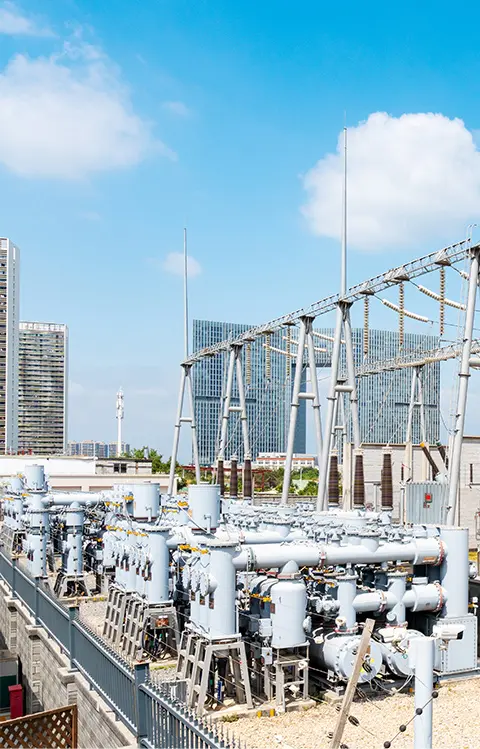
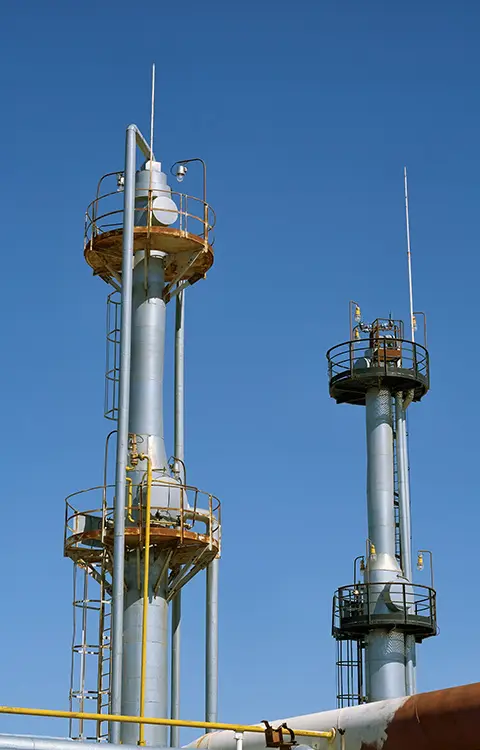 Substation Protection
Transformer Protection
Substation Protection
Transformer Protection
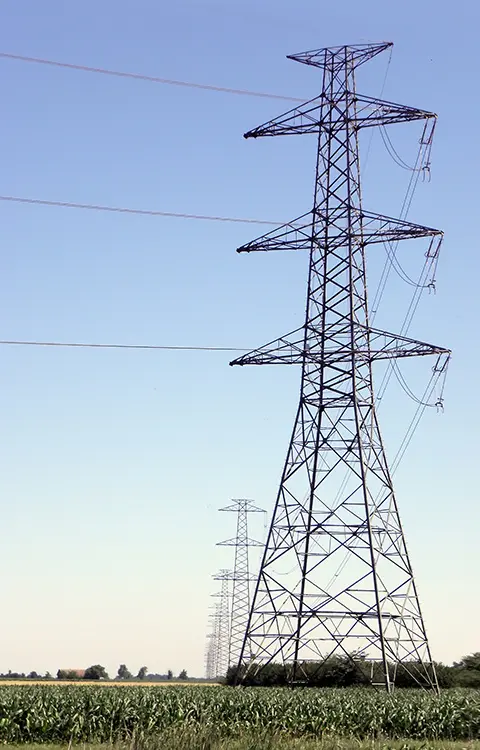 Distribution Line Cutouts
Overhead Protection
Distribution Line Cutouts
Overhead Protection
 Capacitor Bank Protection
Substation Capacitors
Industrial Switchgear
RMU and GIS Integration
Capacitor Bank Protection
Substation Capacitors
Industrial Switchgear
RMU and GIS Integration
How Wenzhou Shuguang Fuse is leading the evolution of medium voltage circuit protection to meet modern grid demands.
Traditional silver ribbons are susceptible to premature aging during cyclic loading. We are utilizing specialized M-effect (metallurgical effect) designs by applying tin or lead alloy drops to the silver elements. This reduces the operating temperature of the element under overcurrent conditions, prolonging the fuse’s service life while ensuring low melting points and predictable clearing curves.
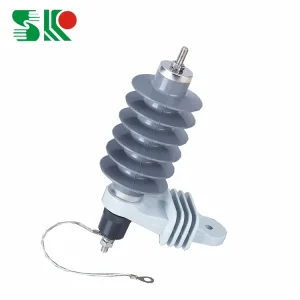
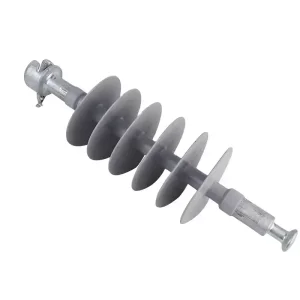
Our research into polymer and porcelain compounds has led to the production of high-creepage polymeric insulators that prevent degradation in high-salinity and chemically aggressive atmospheres. The design reduces overall weight, simplifies handling, and enhances shock-resistance, minimizing risk during transport and installation.
To support automated power grids, our research roadmap includes developing auxiliary strike indicators with wireless trip notifications. This enables maintenance crews to locate blown fuses instantly, reducing System Average Interruption Duration Index (SAIDI) metrics for utility operators.
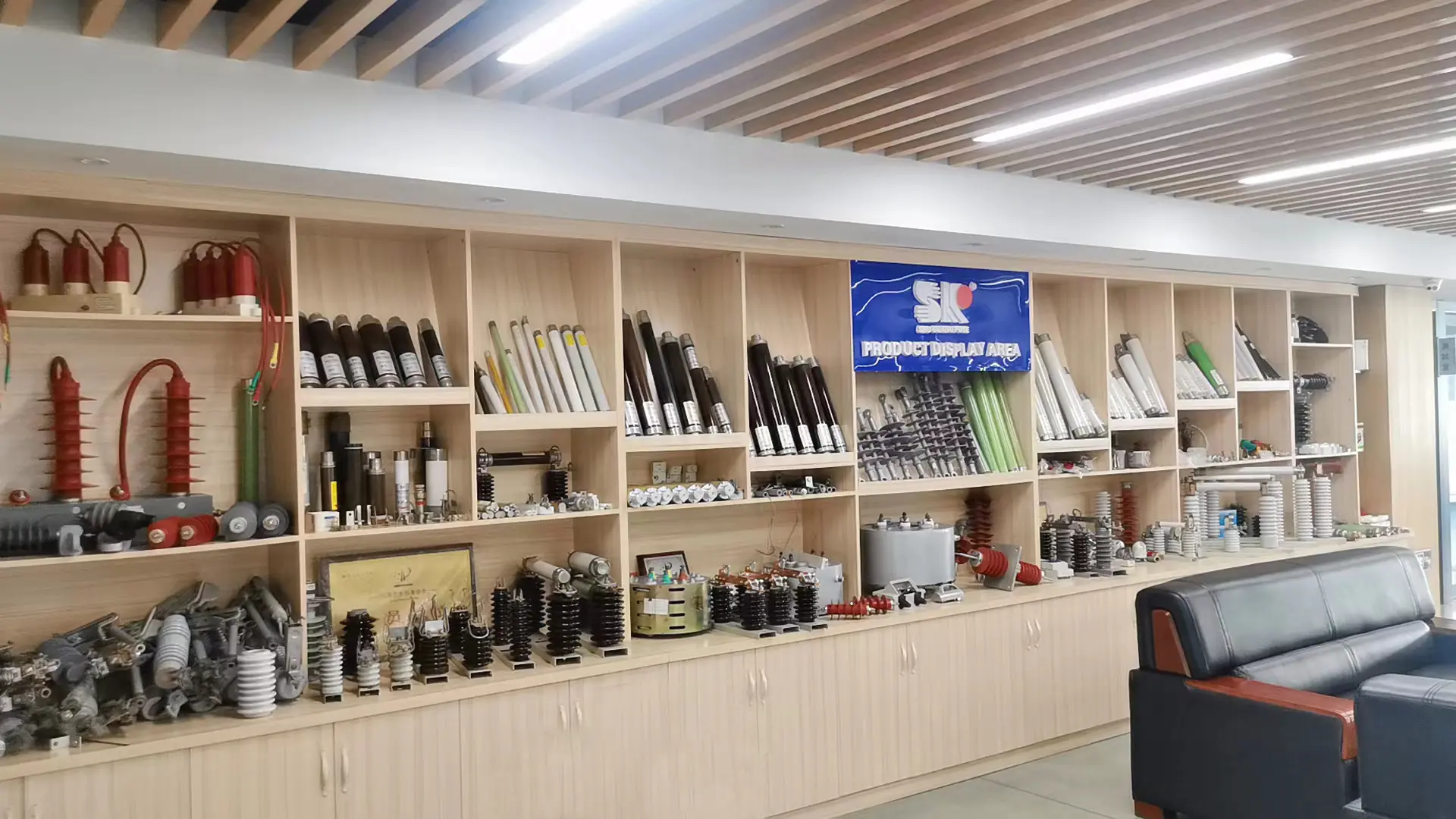
Uncompromising quality control and competitive lead times built upon the specialized electrical industrial cluster of Yueqing, Zhejiang.
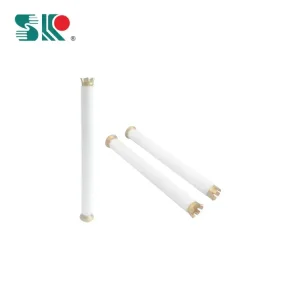
Located in the heart of China’s electrical manufacturing base, we source 99.99% pure silver ribbons, high-grade alumina ceramic casings, and electrical-grade quartz sand locally. Vertical integration allows us to inspect raw material quality at every stage, maintain control over production costs, and respond rapidly to custom current rating specifications.
Our production facilities utilize automated element punching, computerized sand vibration systems, and advanced resistance testing. With direct access to nearby Ningbo and Shanghai deepwater ports, we ensure fast shipping, short lead times, and reliable supply chains for global wholesale purchases.
Detailed engineering answers to the most common queries regarding medium voltage protection device selection and application.
A back-up current-limiting fuse is designed to interrupt fault currents starting from a designated multiple of its rated current (e.g., 3 to 4 times the rated current) up to its maximum breaking capacity. It cannot safely clear low-level overcurrents. A general-purpose fuse can interrupt any fault current that causes the fuse element to melt, from its minimum breaking capacity (which is typically lower) up to its maximum ratings. Selecting the correct type is critical for coordination with switches and relays.
At higher altitudes, the reduced density of the air decreases its heat dissipation capacity and dielectric strength. To compensate, a derating factor must be applied to both the continuous current rating and the insulation level of the fuse carrier. Our DIN and ANSI standard fuses can be customized with optimized dimensions and material configurations to ensure reliable operation in high-altitude environments.
High-purity quartz sand (with SiO₂ content exceeding 99.8%) serves as the primary arc-quenching medium. When the silver element vaporizes under short-circuit conditions, the high-temperature arc is forced into contact with the surrounding quartz sand. The sand melts, absorbing immense thermal energy, and forms a non-conductive glass body (fulgurite) that rapidly deionizes and extinguishes the arc, preventing energy propagation.
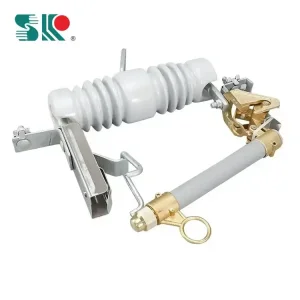
Porcelain dropout cutouts offer high mechanical rigidity and UV resistance, making them a traditional choice for standard environments. However, in regions with high seismic activity or heavy pollution (coastal areas, industrial centers), silicone polymer insulators are preferred. Polymeric housings provide superior hydrophobic properties, resistance to breaking, and lower weight, reducing installation stresses and tracking currents.
Capacitor protection fuses must be able to withstand the high inrush currents associated with switching operations without pre-aging the fuse link. The fuse must also possess sufficient voltage rating to withstand the voltage stress across it after interruption. Key criteria include the maximum continuous operating current (including harmonics), transient inrush currents, and the prospective short-circuit energy (I²t) of the capacitor bank.
Yes. Utilizing our specialized manufacturing facility in Wenzhou, China, we can customize melting elements, body lengths, and end-cap styles to conform to specific regional specifications. We can adjust electrical characteristics to match varying standards, ensuring full backward compatibility for grid modernization and replacement projects.
Explore our high-performance polymeric insulators, current-limiting systems, and substation mountings designed to maintain power grid safety.