Shu Guang Shu Guang

Surge Arrester Manufacturer & Engineering Solutions in Detroit

High-Voltage Overvoltage Protection and Custom Electrical Fuses for Industrial & EV Grids

Send Inquiry Now

Detroit Industrial-Grade Lightning Protection

Engineered to defend substation equipment and local industrial distribution lines from volatile lightning surges.
Wenzhou Shuguang Fuse Factory Floor

Our Manufacturing Legacy

Wenzhou Shuguang Fuse Co., Ltd. is located in Yueqing, Zhejiang Province, the electrical capital of China. We are a premier power technology enterprise integrating research, development, production, sales, and service. Our manufacturing journey began as "Yueqing Shuguang Fuse Factory" established in 1992.

For over three decades, we have focused on strengthening local grid networks globally. By combining cutting-edge materials science with rigorous design standards, we engineer protection devices that shield vital infrastructure against overcurrents and voltage surges. Today, we bridge international engineering gaps to supply direct distributors, utility designers, and heavy industrial clients in North America, including industrial hubs like Detroit, Michigan.

Connect With Our Engineers

Detroit's Industrial Power Grids & Surge Mitigation Requirements

Detroit, historically recognized as the automotive heartland of the United States, is undergoing a massive electrical transformation. The rapid proliferation of electric vehicle (EV) manufacturing facilities, high-performance battery assembly lines, and smart grid sub-stations across Michigan has altered the landscape of transient overvoltage protection.

Industrial operations in Detroit face complex power quality challenges. The presence of massive inductive loads, heavy welding equipment, and automated robotic systems creates a high baseline of internal switching transients. Concurrently, regional transmission lines are exposed to severe atmospheric lightning storms. To guarantee continuous uptime, Detroit companies rely on heavy-duty surge arresters and current-limiting fuses designed to operate seamlessly under severe transient conditions.

View Regional Case Studies
30+
Years of Advanced Fuse & Surge Arrester Engineering
ISO 9001
Fully Certified Global Quality Management Standard
IEEE/IEC
Adherence to Stringent Utility Standard Benchmarks
100%
Tested Performance in High-Power Electrical Labs

Industrial Protection & Overvoltage Tech Roadmap

A deep dive into our manufacturing methodologies, materials selection, and design strategies designed for heavy utility platforms.

Metal Oxide Varistor (MOV) Science

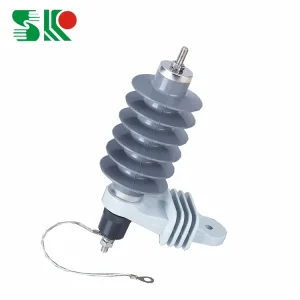
Our surge arresters utilize high-grade Zinc Oxide (ZnO) varistors, offering outstanding non-linear V-I (voltage-current) characteristics. Under normal operating voltages, leakage current is negligible. Upon encountering transient overvoltages, the varistor instantly shifts to a low-resistance state, safely discharging mega-amps of surge energy to the ground in nanoseconds.

Severe Climate Polymer Insulators

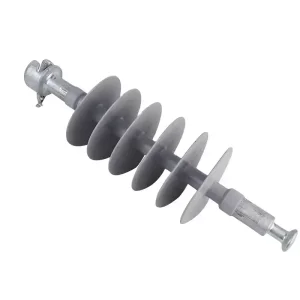
To resist structural tracking and environmental degradation, our external surge arrester housings are made of premium, hydrophobic silicone rubber. Tested against extreme Detroit winter frost and heavy atmospheric pollution, these housings offer exceptional creepage distances, preventing flashovers even in high-humidity zones.

Sub-Millisecond Fault Interruption

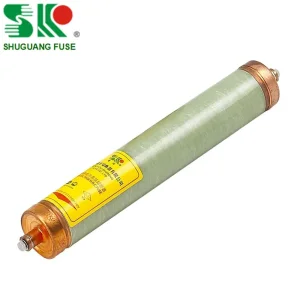
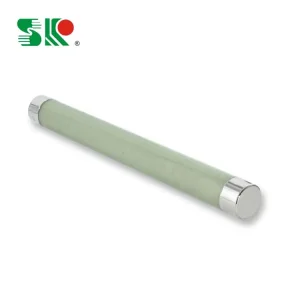
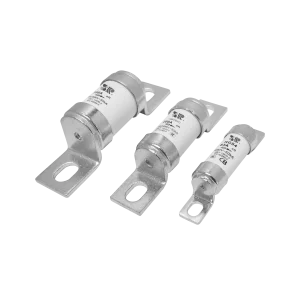
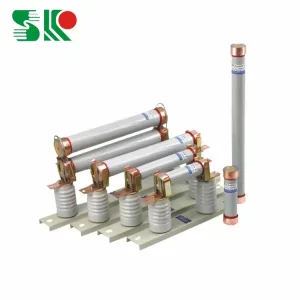
Our high-voltage HRC (High Rupturing Capacity) fuses utilize pure silver elements embedded in high-purity quartz sand. The precise control of the sand grain size guarantees optimal arc-quenching dynamics, limiting peak let-through currents and clearing dangerous short-circuit faults before delicate transformer windings are damaged.

International Certifications & Lab Standards

Designed and tested to meet international electrical benchmarks, including ANSI, DIN, BS, IEC, and GB standards.
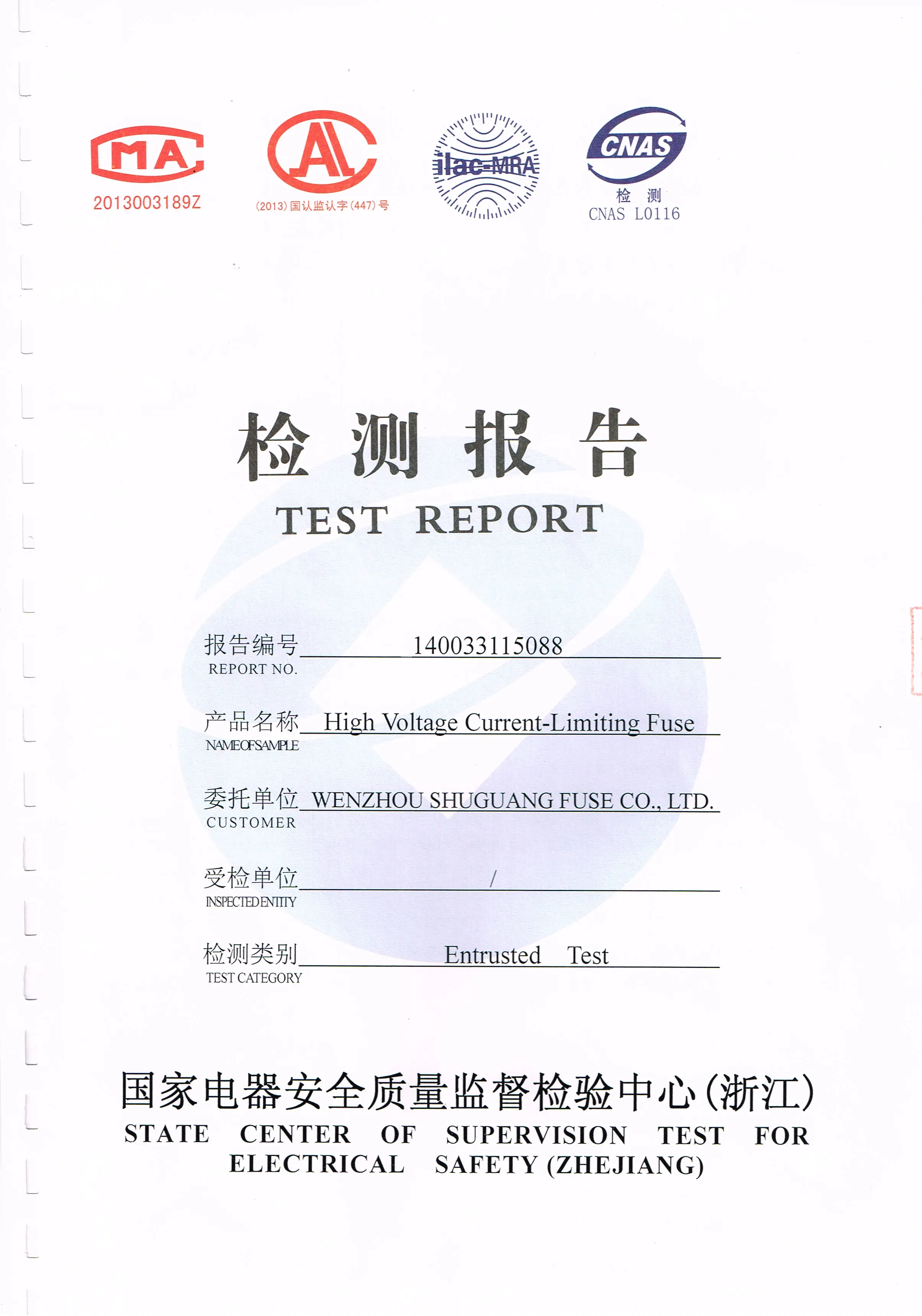
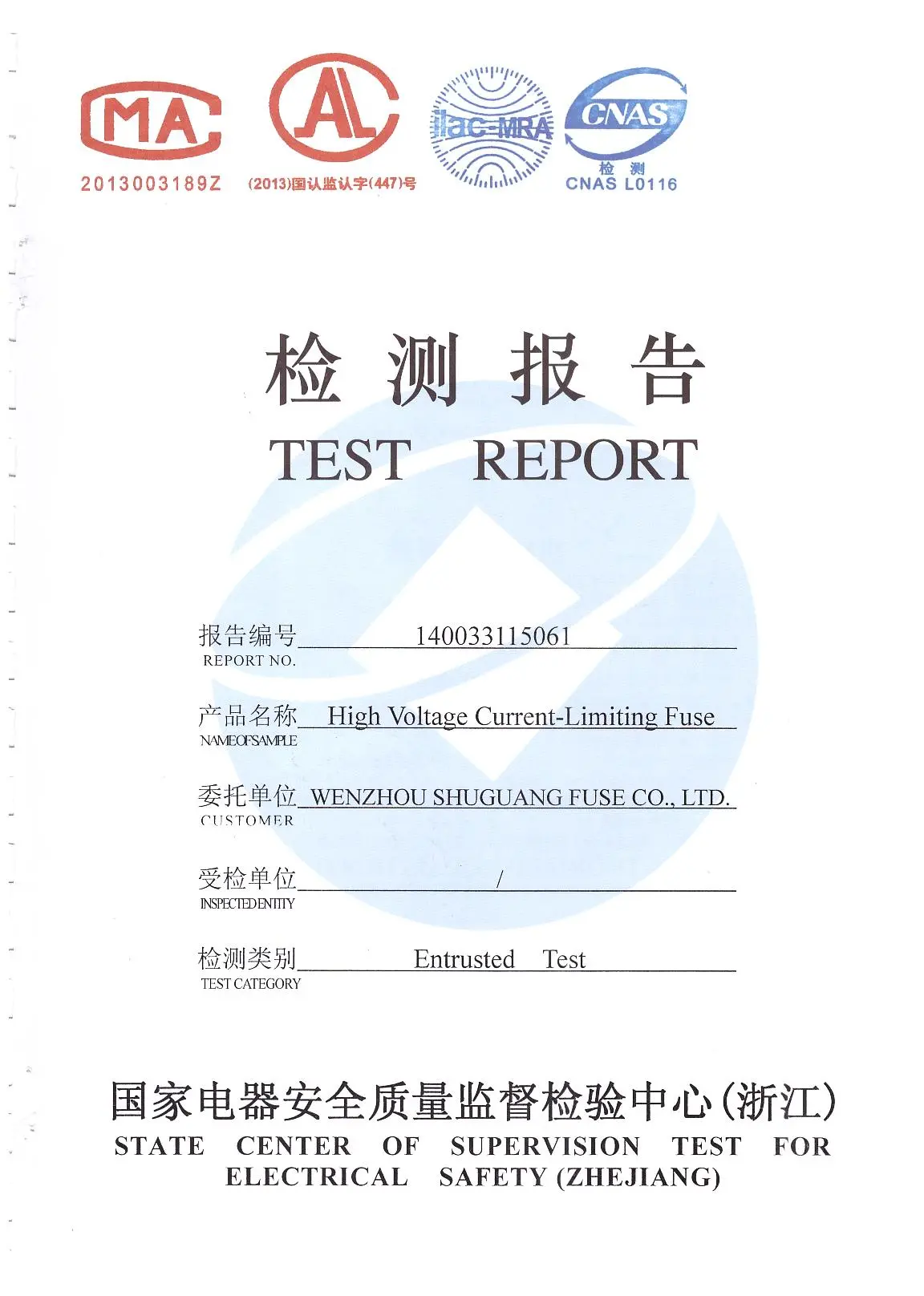
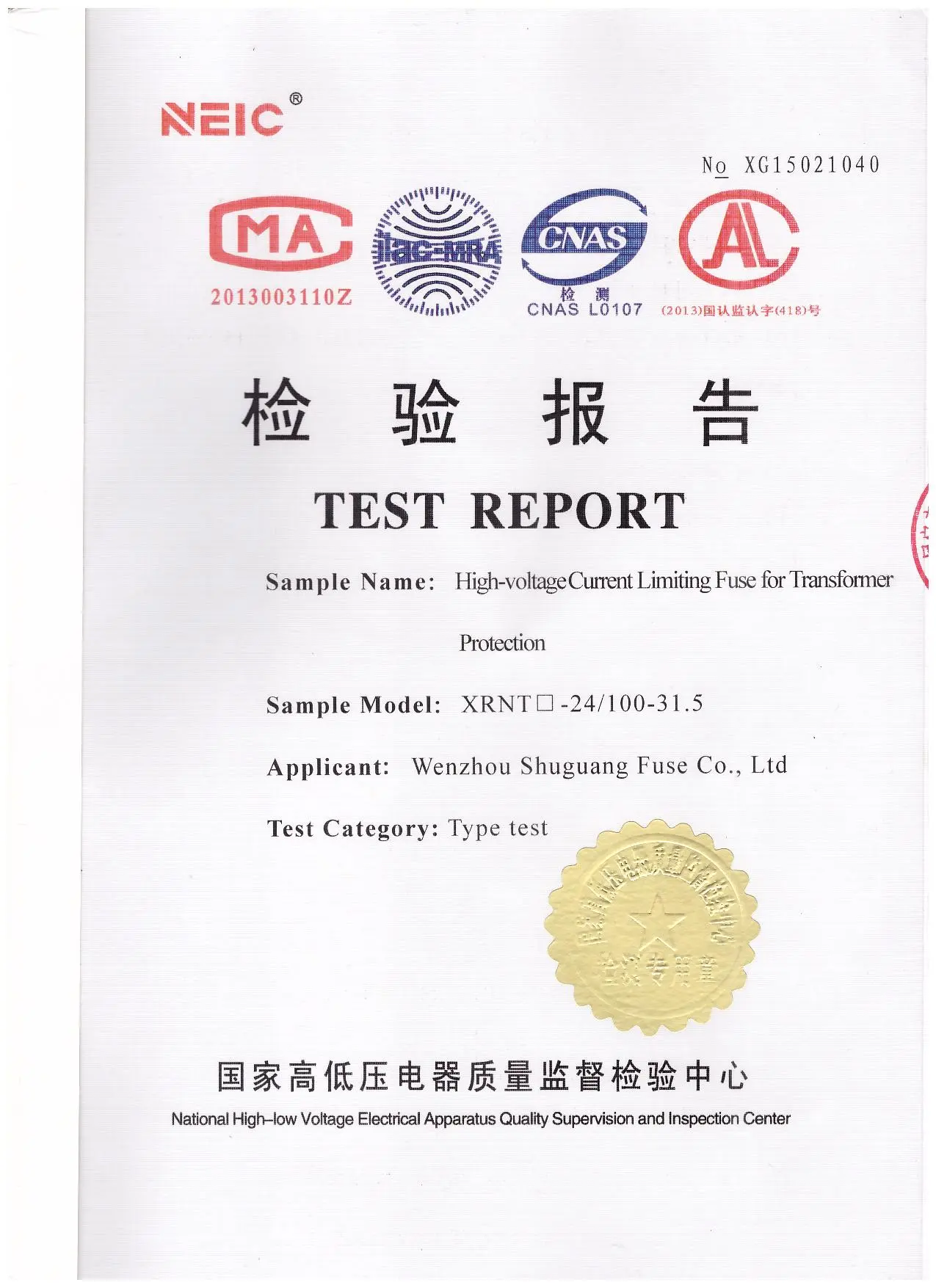
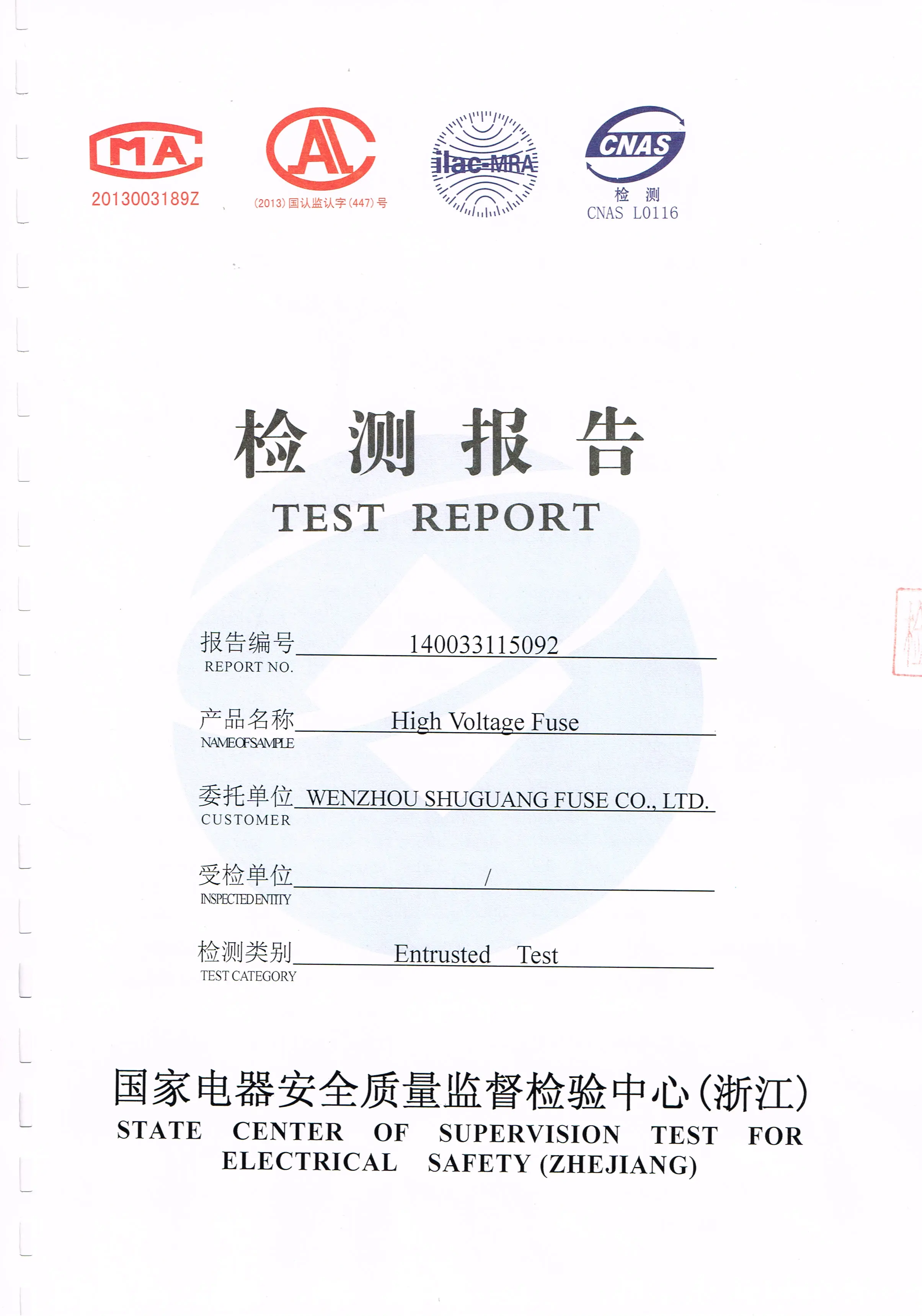
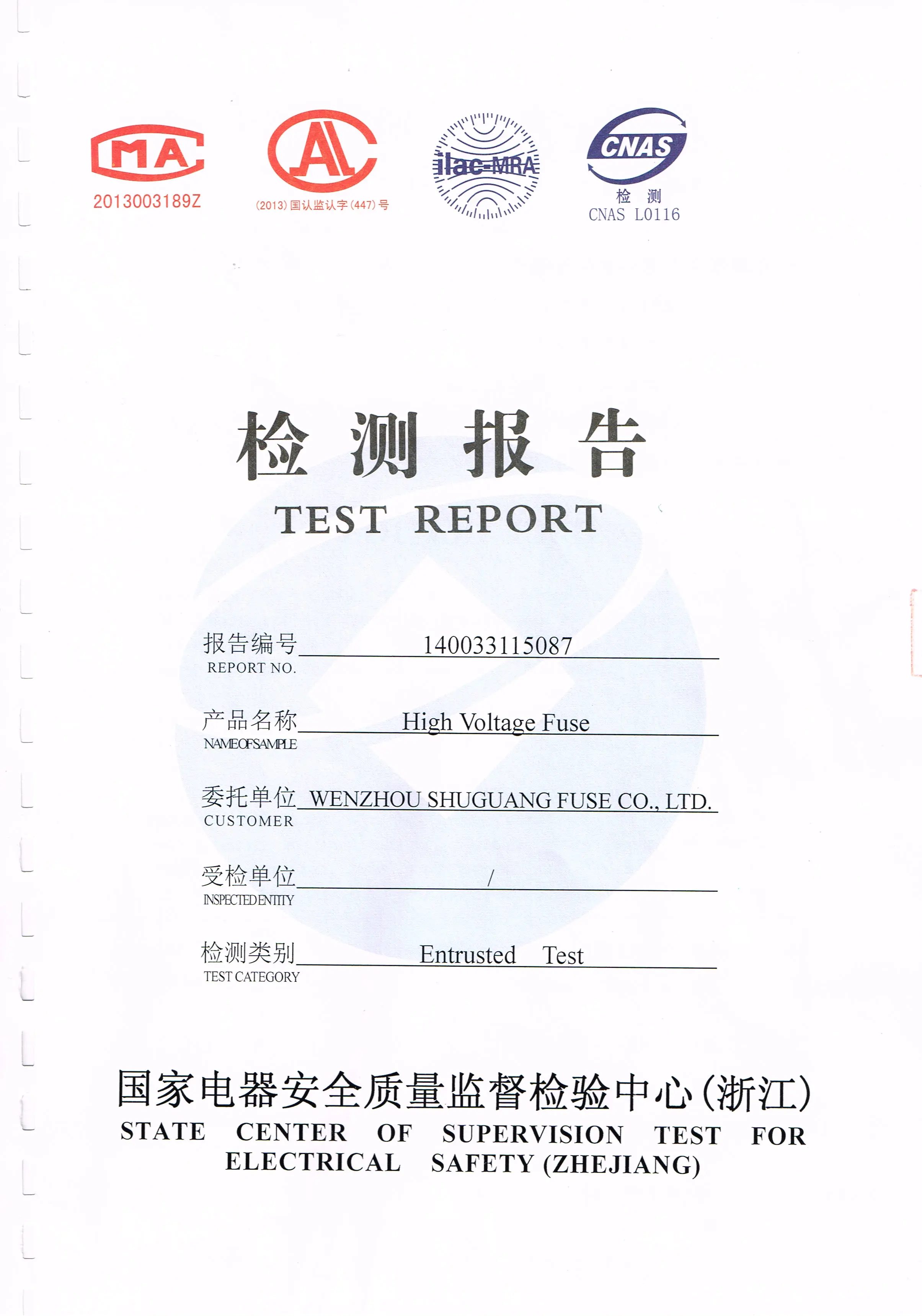
Our products are manufactured according to the highest industry expectations. All key performance indicators have been verified by premier institutions, including the High-Power Test Station of the Electric Power Research Institute of the Ministry of Electric Power, the National High-voltage Electrical Apparatus Quality Supervision and Inspection Center, and the Xi'an High-voltage Electrical Apparatus Research Institute. The technical performance meets standards such as: ANSI C37.42, DIN 43625, BS 2692, IEC 282-2-1995, IEC 60644, IEC 60470, IEC 60282-1, IEC 269-2, GB 15166.1, GB 15166.2, GB 15166.5, GB 13593, DL/T640-1997, and VDE 0636. Our quality assurance system has achieved full ISO 9001:2000 certification.
ISO Quality Certificate
Lab Test Clearance Certificate
Safety Standard Compliance Certificate
High Voltage Protection Certificate
System Quality Verification

Industrial Applications

Providing reliable overvoltage and circuit protection for diverse sectors globally.
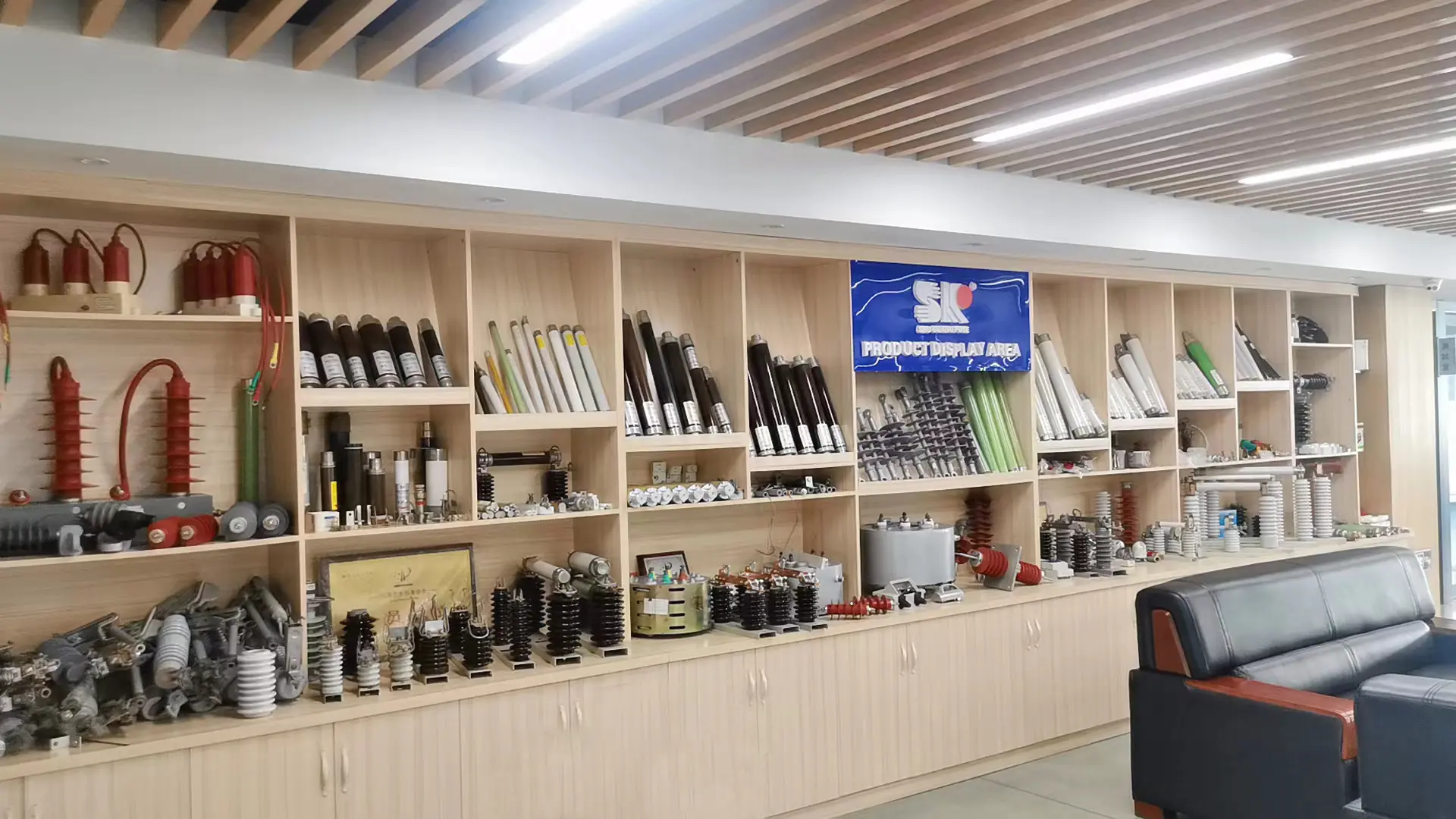
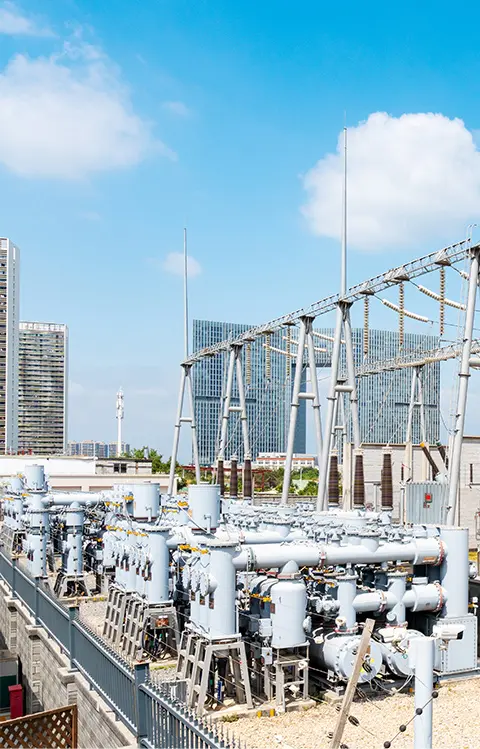
Grid Substation Installations

Grid Substations

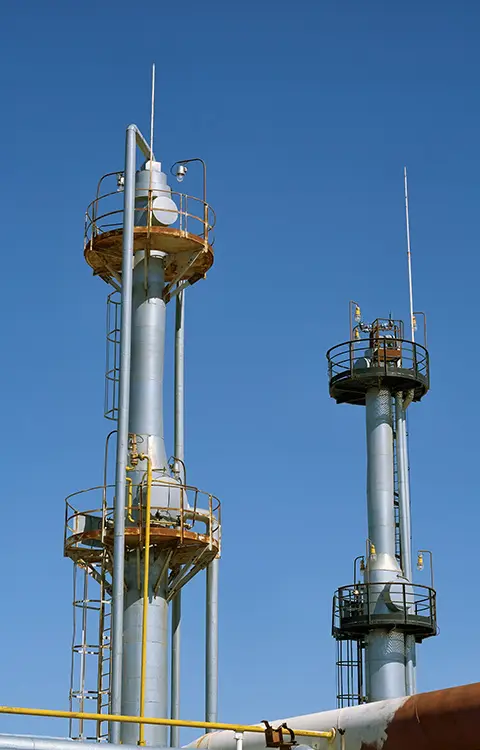
Heavy Metal Metallurgy

Industrial Plants

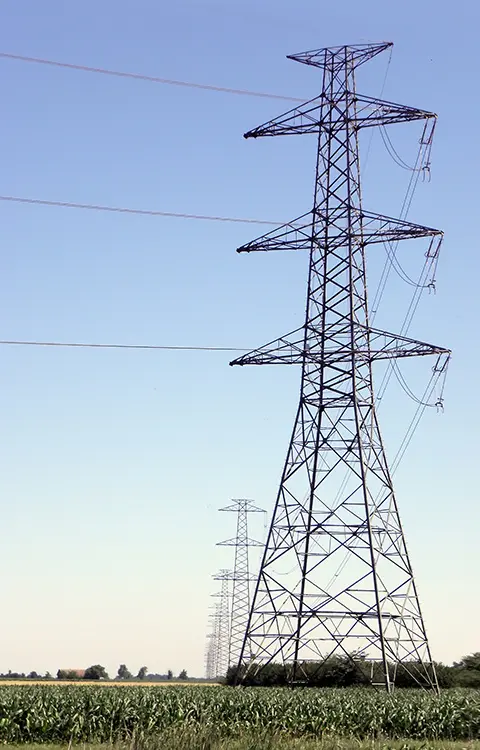
Power Transmission Networks

Transmission Lines

Renewable Energy Integration

Wind & Solar Grids

Surge Arrester & Fuse Technologies - FAQ

Expert technical insights regarding lightning protection systems, medium-voltage fuse design, and grid compatibility parameters.
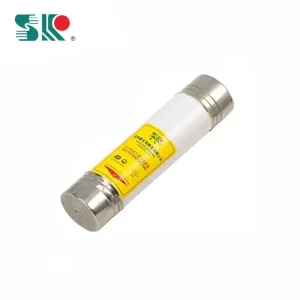
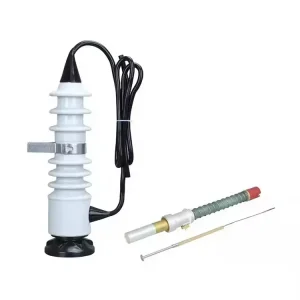
What is the primary difference between a lightning arrester and a surge arrester? +
While both safeguard systems against overvoltage conditions, a lightning arrester is primarily installed outdoors to protect infrastructure from direct atmospheric lightning strikes. A surge arrester is designed to mitigate switching surges, internal transient voltage spikes, and indirect strokes within industrial networks, sub-stations, and secondary distribution systems.
Why are Zinc Oxide (ZnO) arresters preferred over Silicon Carbide (SiC) arresters? +
ZnO arresters exhibit a highly non-linear voltage-current (V-I) characteristic that eliminates the need for series spark gaps. This allows them to respond much faster to transients, sustain lower residual voltages, handle superior energy absorption, and offer better structural reliability under continuous operating voltage compared to legacy SiC models.
What standards govern the testing and certification of these medium-voltage products? +
Our products undergo testing under various global regulatory frameworks. For North America (including the Detroit market), they meet standard compliance conditions defined by IEEE C62.11 and ANSI C37.42. For European and global applications, products are designed in conformity with IEC 60099-4 (for surge arresters) and IEC 60282-1 / DIN 43625 (for medium-voltage current-limiting fuses).
How do environmental conditions in industrial cities like Detroit affect surge arrester selection? +
Coastal, cold, or heavily industrial areas experience high levels of atmospheric humidity, salt fog, and conductive pollutants. These conditions can cause electrical tracking along the surface of standard porcelain housings. Selecting arresters with hydrophobic polymer (silicone rubber) housings and extended creepage distances prevents tracking and potential external flashover events.
Can Shuguang design custom current-limiting fuses for EV charging substations? +
Yes. Electric vehicle (EV) charging stations and battery assembly sites require high DC voltage clearing capability and rapid response to short-circuits. We manufacture custom HRC fuses with tailored melting elements to match the narrow time-current curves of battery systems and inverter assemblies, ensuring localized protection.

Need a Reliable Grid Protection Partner?

Consult with our engineering department to secure custom technical parameters, detailed test reports, or bulk quotes optimized for your infrastructure requirements.

Send Inquiry Now