 Shu Guang
Shu Guang
Shu Guang
Engineered for utility transformers, power capacitor banks, and distribution switchgears. Guaranteed performance under severe fault conditions.
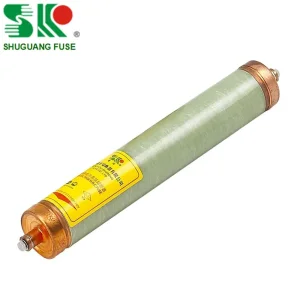
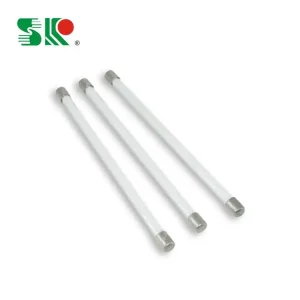
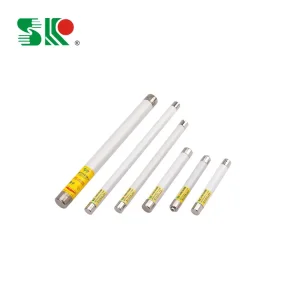
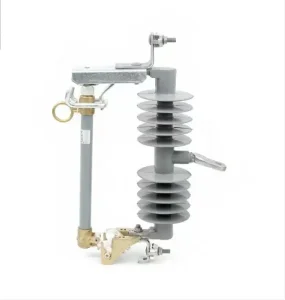
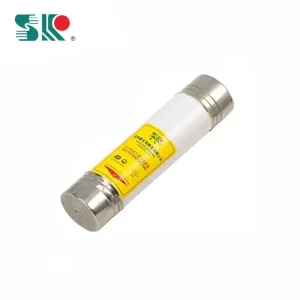
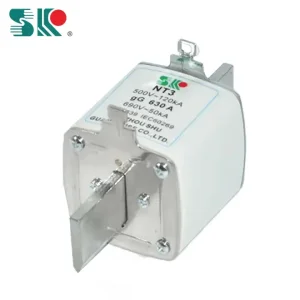
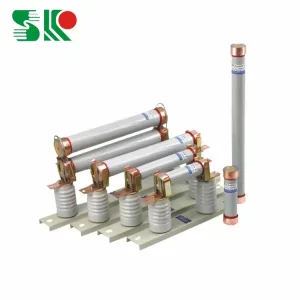
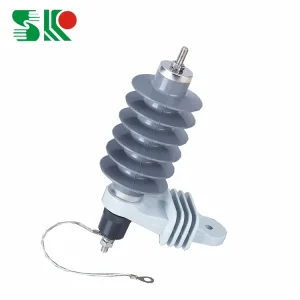

Wenzhou Shuguang Fuse Co., Ltd. is situated in Yueqing, Zhejiang Province, widely recognized as the Electrical Capital of China. As a specialized, high-technology power enterprise, we seamlessly integrate advanced scientific research, development, manufacturing processes, global marketing, and customer service.
With foundations dating back to 1992 as the "Yueqing Shuguang Fuse Factory", we have dedicated over three decades to studying arc physics, electrical metallurgy, and current-limiting behavior under severe short-circuit conditions. This focus has enabled us to manufacture medium-voltage (MV) and high-voltage (HV) fuses that maintain strict safety margins and offer reliable protection for electrical distribution grids around the world.
Initiate Project CooperationAn analytical overview of global energy trends driving the demand for CE Certified Medium Voltage Current-Limiting Fuses.
As global energy grids undergo rapid modernization, there is an increased demand for high-reliability circuit protection devices. Today's distribution grids integrate renewable sources, dynamic electric vehicle (EV) charging stations, and smart switchgear systems. Within this landscape, CE Certified Medium Voltage Fuses serve as critical failsafes. They prevent minor overcurrent anomalies from escalating into catastrophic switchgear failures, helping to safeguard expensive electrical investments.
Utility-scale solar photovoltaic (PV) facilities and wind farms operate under demanding environmental conditions with cyclical thermal loads. Medium voltage step-up transformers deployed in these settings require protection that can withstand continuous cycling without premature aging. Our specialized current-limiting back-up fuses are designed to meet these requirements, ensuring reliable operation throughout the lifetime of the renewable energy asset.
International regulatory compliance has shifted from an optional commercial advantage to a baseline market entry requirement. The European Union's CE Marking signifies strict adherence to safety standards. Our CE certified medium voltage fuses undergo tests to ensure low power dissipation and predictable arc-energy suppression. This makes them suitable for use by global switchgear OEMs and electric utility operators seeking high-quality components.
Our high-voltage and medium-voltage protective devices are designed and manufactured in compliance with international electrical standards, ensuring global interoperability and safety.
At Wenzhou Shuguang Fuse Co., Ltd., our engineering and manufacturing frameworks comply with international standards including ANSIC37.42, DIN43625, BS2692, IEC60282-1, IEC60644 (specification for MV fuse-links for motor circuit applications), IEC60470, and IEC269-2. Locally, we meet GB15166.1, GB15166.2, GB15166.5, and DL/T640-1997.
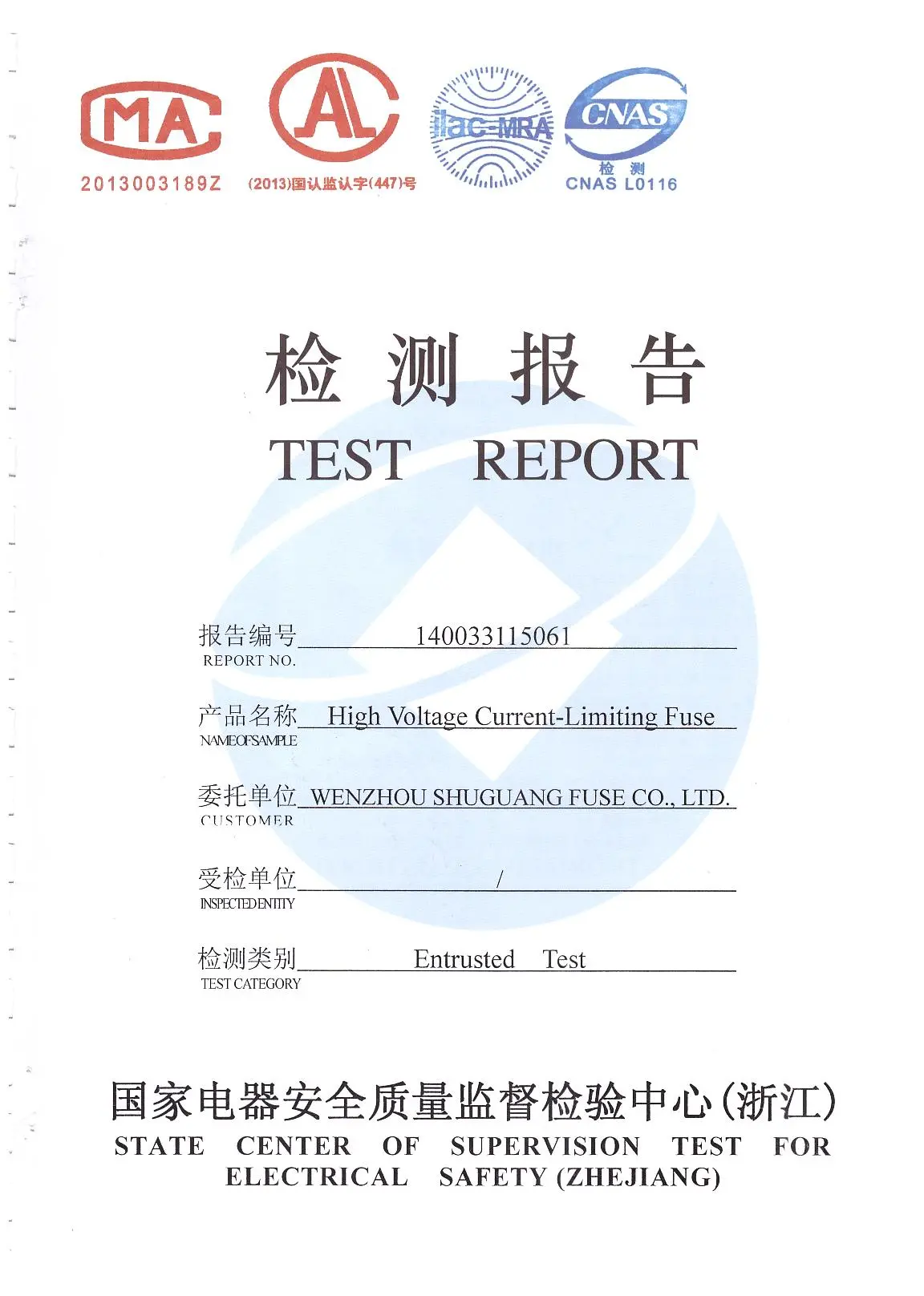
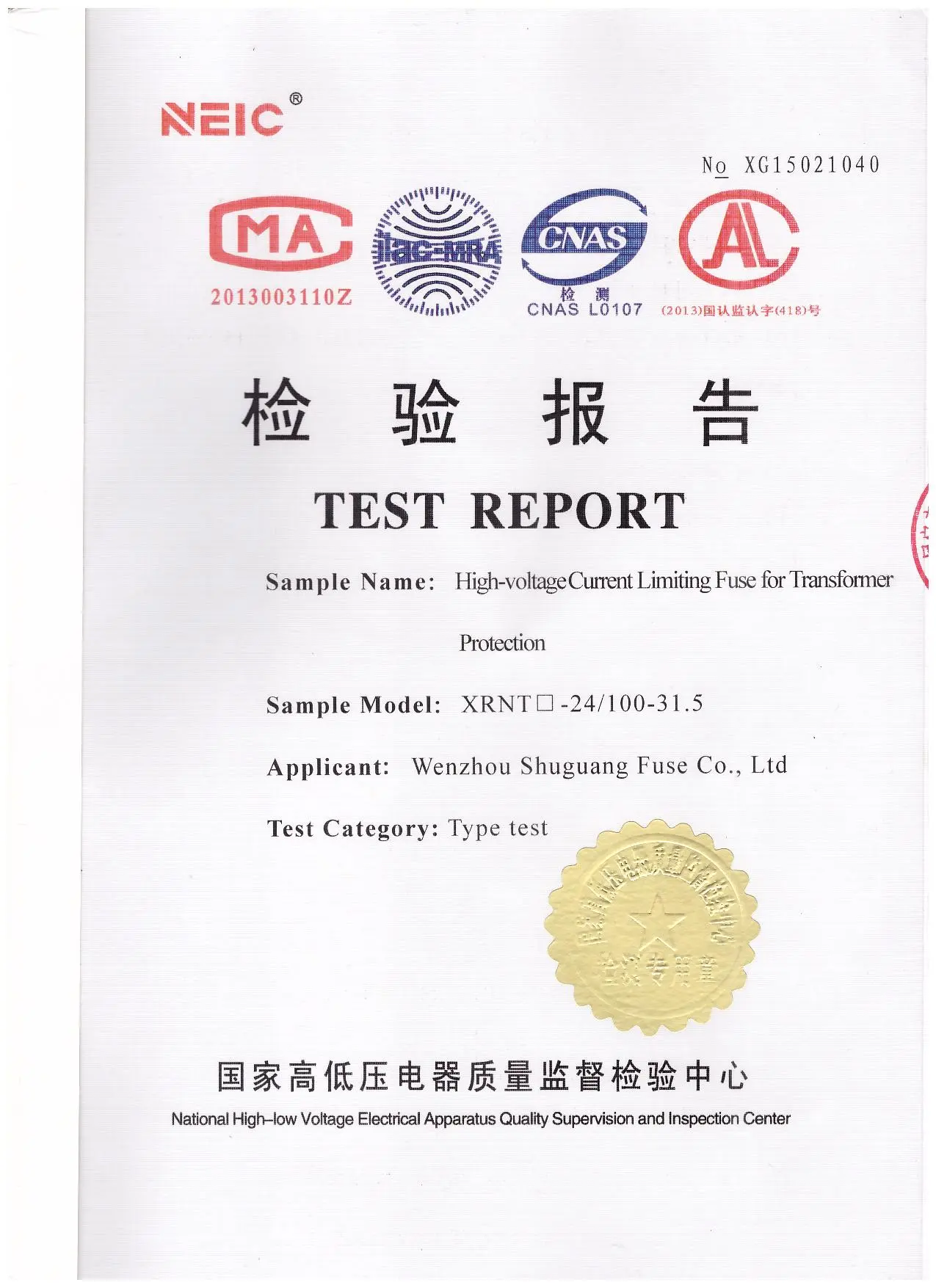
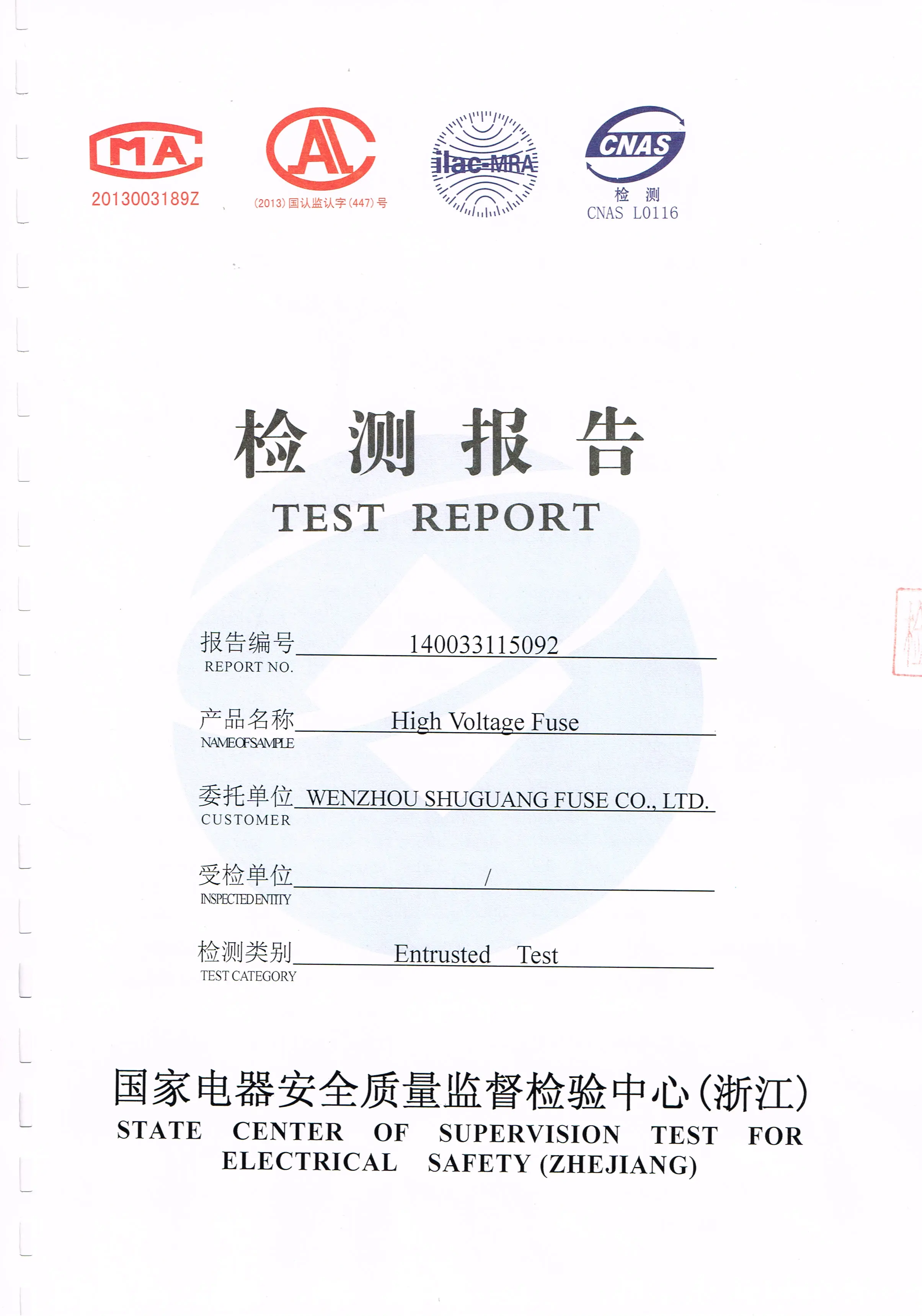
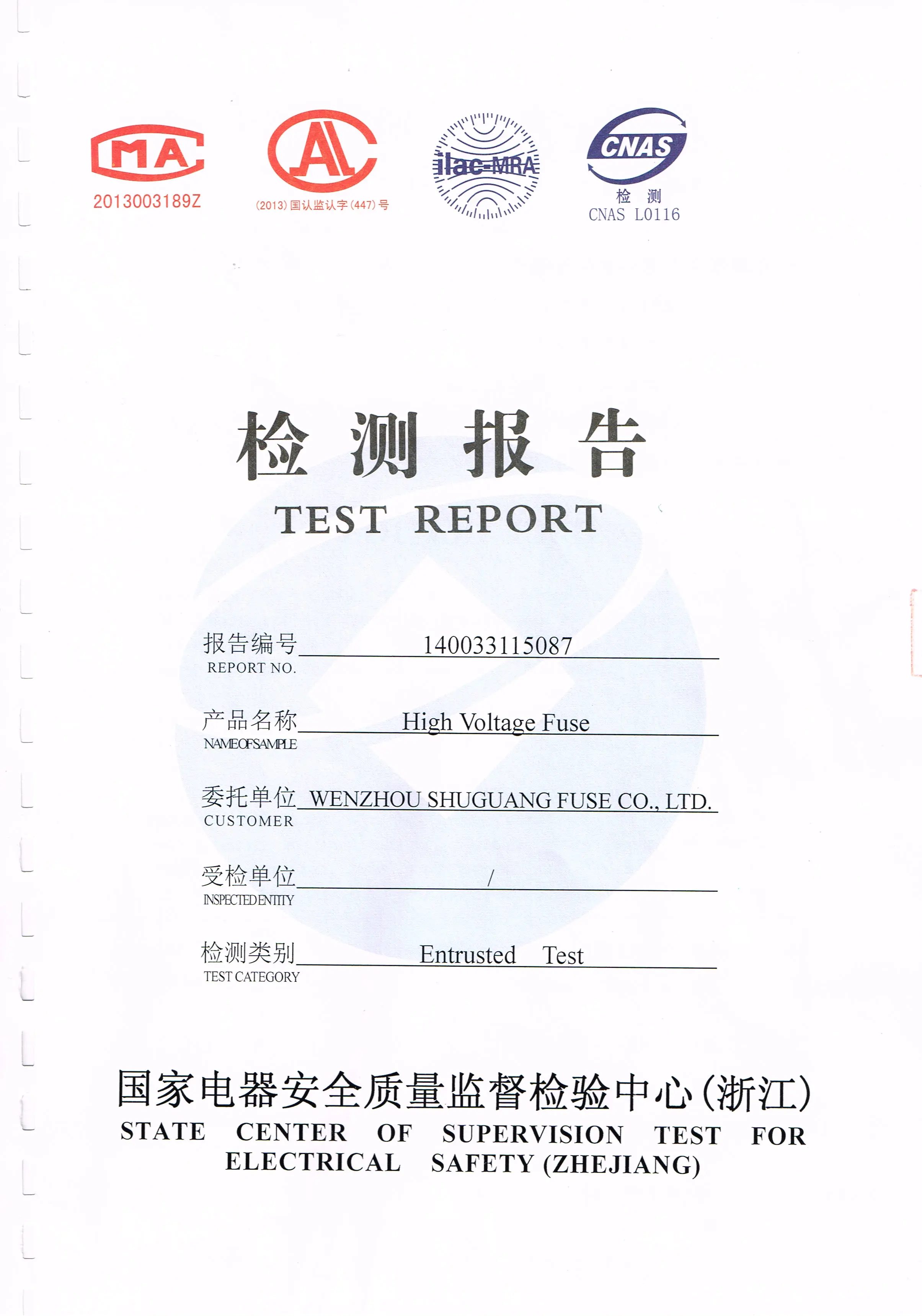
Our products undergo testing at recognized national and international high-power test stations. These include the Electric Power Research Institute of the Ministry of Electric Power, the National High-Voltage Electrical Apparatus Quality Supervision and Inspection Center, the Xi'an High-Voltage Electrical Apparatus Research Institute, and the High-Voltage Electrical Apparatus Laboratory. These facilities verify crucial metrics, including:
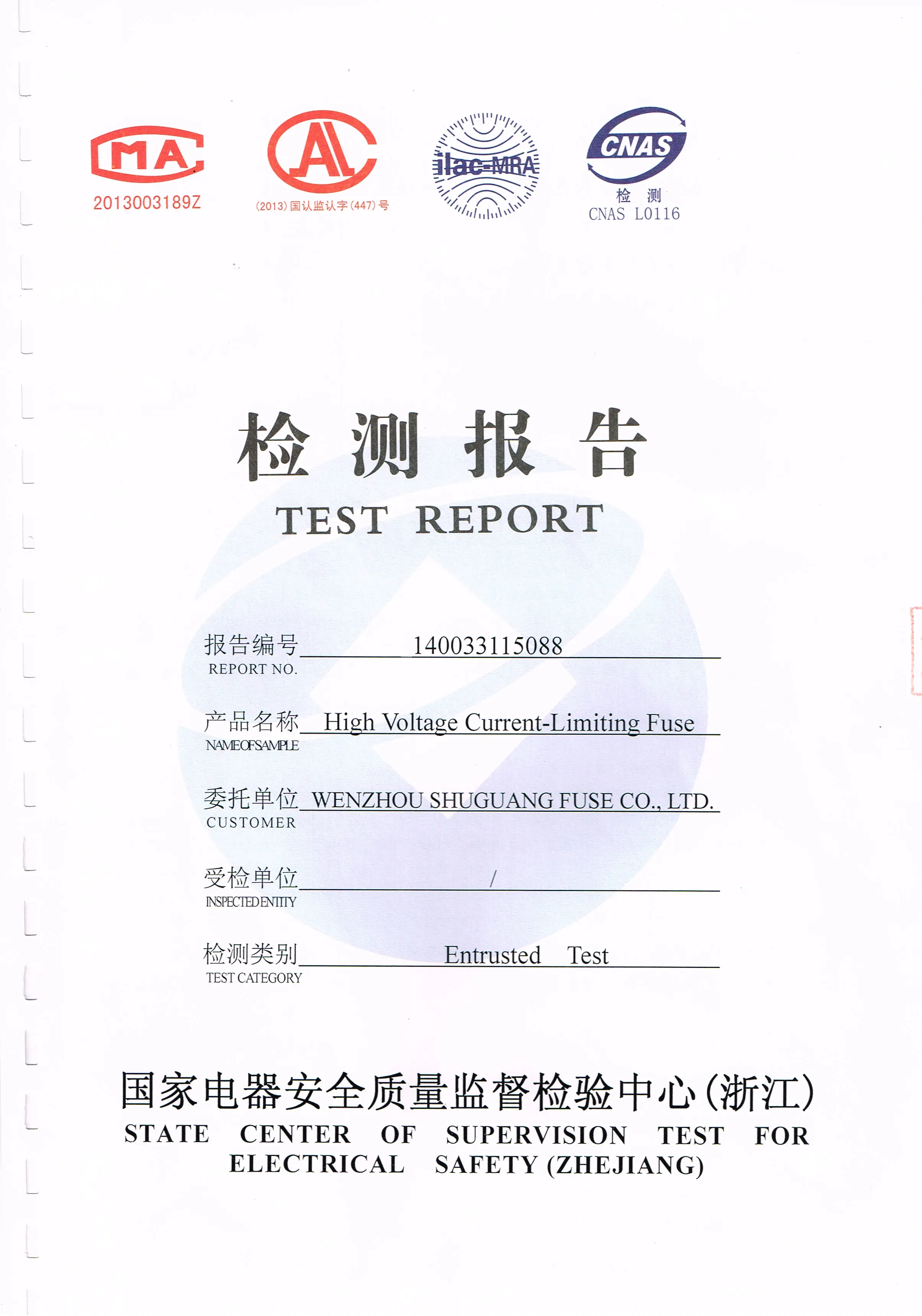
The performance of a medium-voltage current-limiting fuse depends on the control of physical phenomena during a fault. Our manufacturing line uses high-purity materials and tight tolerances:
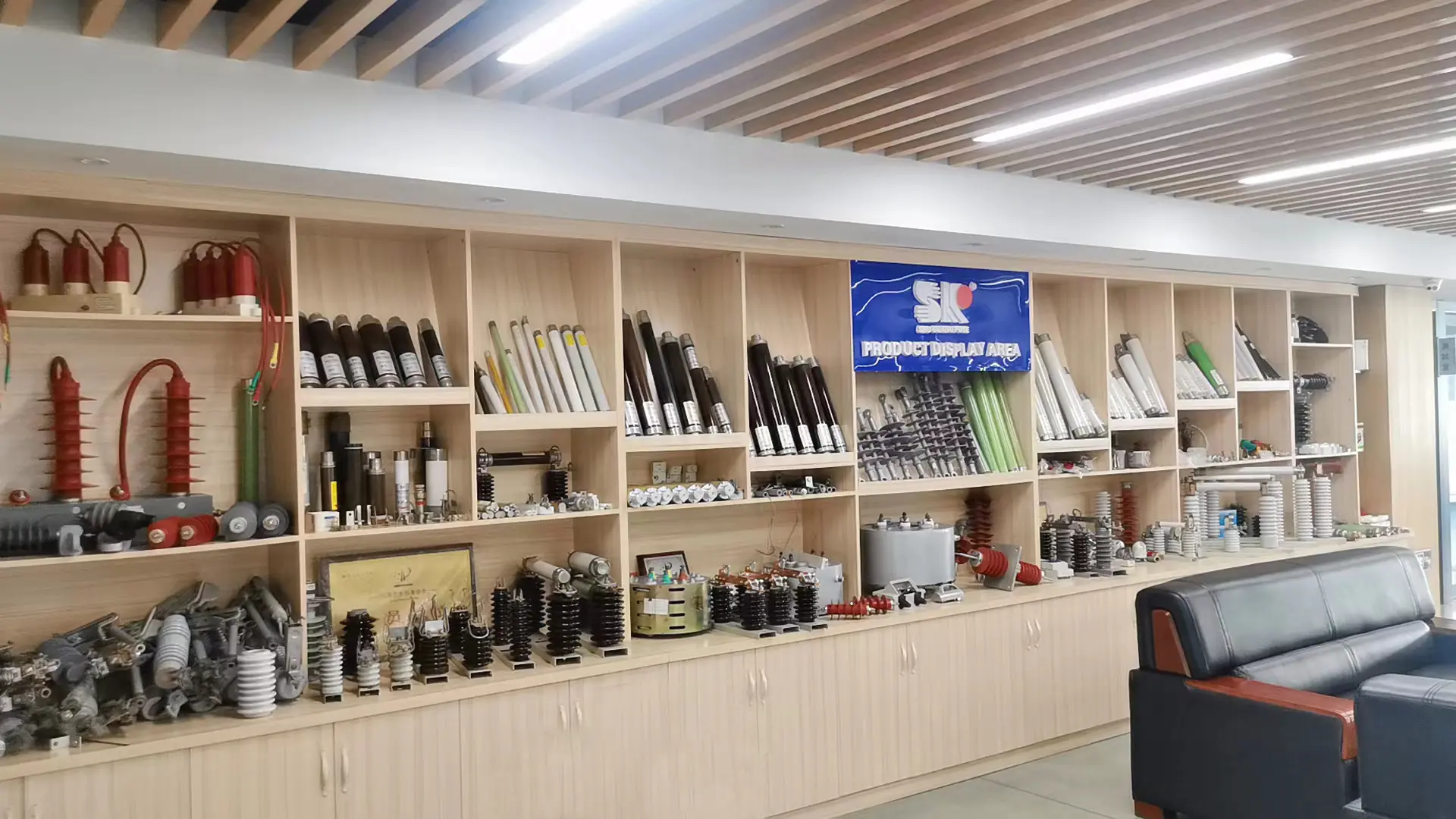
Through advanced quality management systems and precise testing equipment, we ensure that every batch of fuses satisfies international ratings. Our customized production lines can rapidly adapt to specific requirements for dimensions, current thresholds, and striker pins.
Our product portfolio is deployed globally in challenging environments, providing circuit protection across diverse applications.
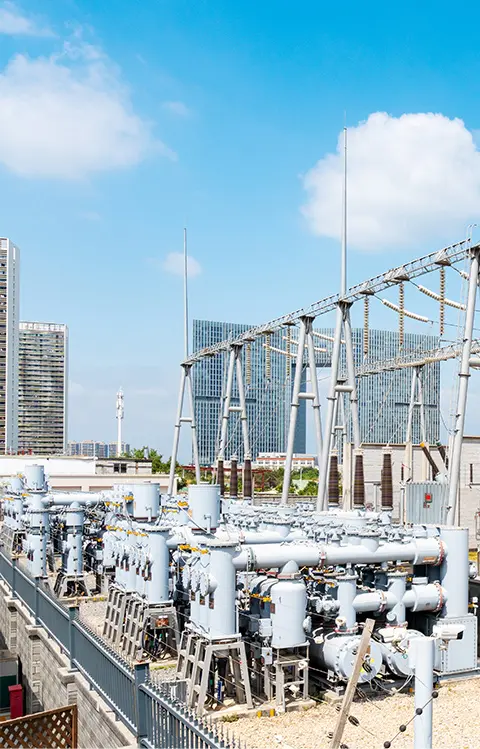
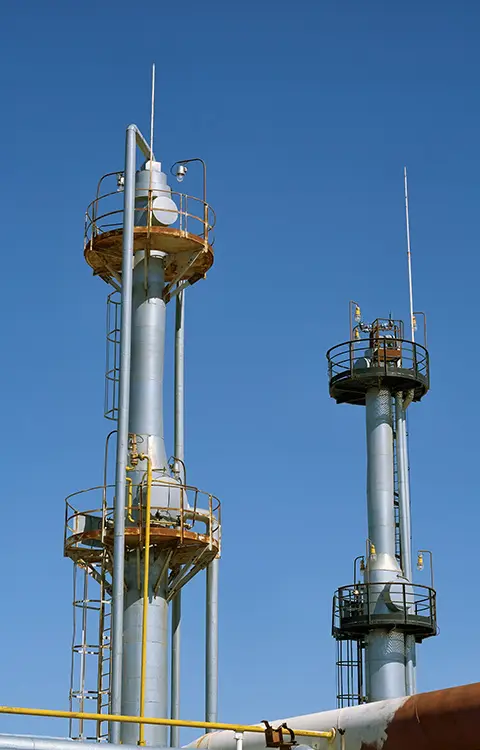
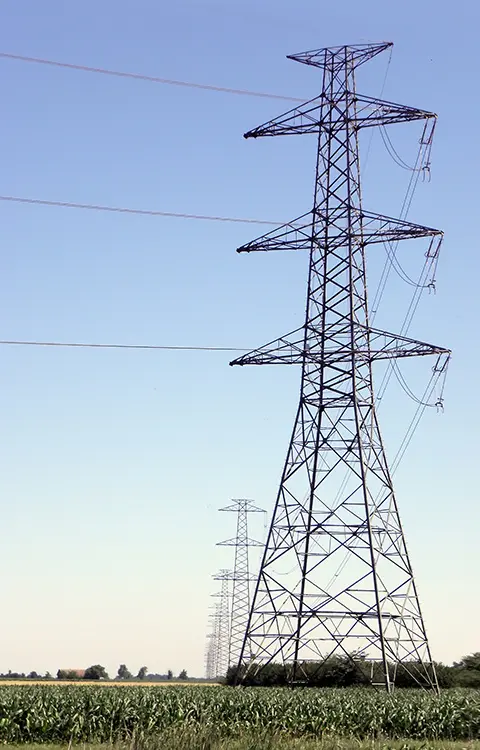
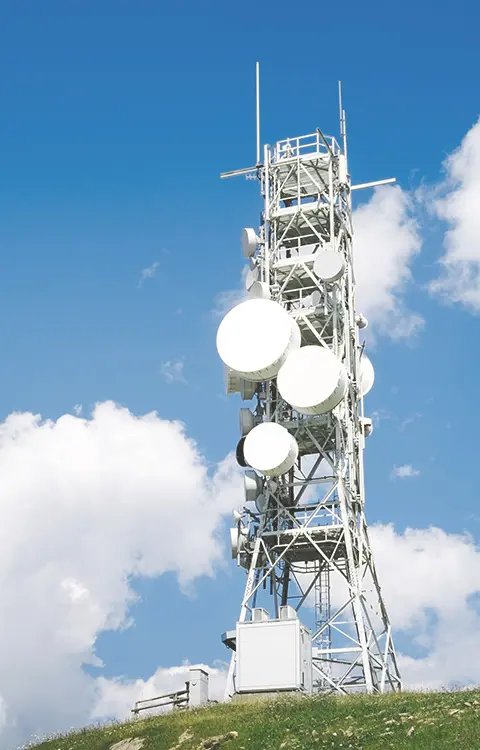
The clean energy transition is changing the requirements for distribution grid protection. Looking ahead, Wenzhou Shuguang Fuse Co., Ltd. is investing in the development of next-generation medium-voltage fuses to meet these emerging challenges.
Our R&D roadmap focuses on three main initiatives:
Answers to common questions regarding current-limiting fuses and application selection.
CE Certification indicates that a medium-voltage fuse satisfies the essential safety, health, and environmental requirements defined by the European Union. In high-power distribution grids, it provides assurance to installers and OEMs that the product has undergone safety evaluations. It confirms compliance with harmonized standards like EN/IEC 60282-1, validating electrical insulation, breaking capability, and safe operation under fault conditions.
A "Back-up" current-limiting fuse is rated to interrupt fault currents starting from a designated multiple of its rated current (the minimum breaking current, I3) up to its maximum rated breaking capacity (I1). Because it is not designed to interrupt low-level overload currents, it must be paired with an auxiliary series device, such as a switch disconnector or thermal relay. In contrast, a "General Purpose" fuse is designed to interrupt any fault current from its rated current down to the current that would cause the fuse link to melt in one hour.
When the fuse element melts under a fault condition, an electrical arc forms. The heat from this arc melts the surrounding quartz sand. The sand absorbs energy from the arc, vitrifying into a glass-like structure known as a fulgurite. This process cools the arc, increases the electrical resistance of the path, and successfully suppresses the arc at the first natural current zero.
The striker pin is a mechanical device triggered by the melting of a parallel high-resistance wire inside the fuse link. Upon fuse operation, the striker pin is ejected under spring pressure. This mechanical action can trip an associated load-break switch, isolating the three-phase system and preventing single-phasing on the transformer primary.
Medium voltage fuses are calibrated for standard ambient conditions, typically 40°C. In environments with elevated temperatures, such as inside unventilated ring main units or under direct solar exposure, the heat dissipation capability of the fuse is reduced. In these situations, the nominal current rating of the fuse must be de-rated according to manufacturer guidelines to avoid premature thermal aging or nuisance tripping.
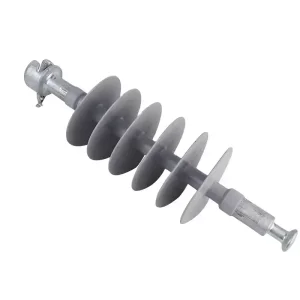
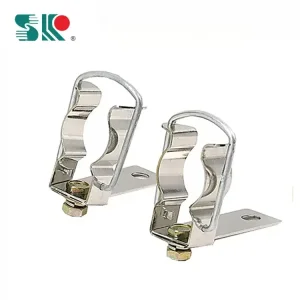
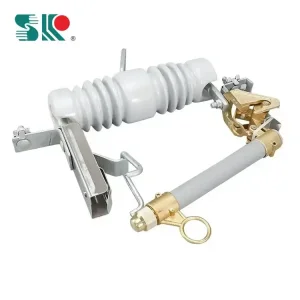
Explore our range of porcelain fuse cutouts, polymeric insulators, and specialized capacitor protection links designed for grid safety.