
Shu Guang
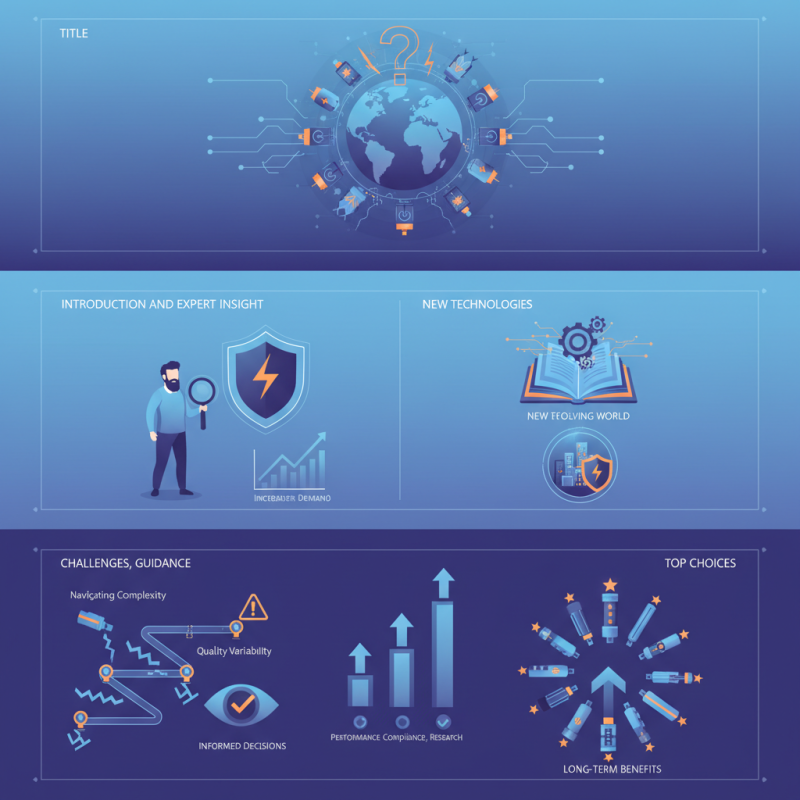
In the rapidly evolving world of electricity and power distribution, the significance of high voltage fuses cannot be overstated. According to Dr. John Stevens, a renowned expert in electrical engineering, “High Voltage Fuses are critical for safeguarding electrical systems against overloads.” His insight reflects the central role these devices play. As global demand for electricity surges, the need for reliable protection solutions grows.
The landscape of high voltage fuses is changing. New technologies emerge, advancing both efficiency and reliability. In 2026, buyers will face a diverse market with various options. Understanding the specifications and benefits of each fuse type is key for informed decisions. The right high voltage fuse can prevent catastrophic failures and ensure system integrity.
Yet, the industry faces challenges. Not all high voltage fuses are created equal. Variability in quality can lead to safety risks. Buyers must navigate this complex environment. It's essential to prioritize both performance and compliance with industry standards. Investing time in research can yield significant long-term benefits. This exploration of high voltage fuses aims to guide global buyers in making effective choices for their needs.
High voltage fuses are critical components in electrical systems. They protect equipment from overloads and short circuits. As we look ahead to 2026, the market for these fuses is evolving. Various factors are driving change, including technological advancements and increased demand for renewable energy sources.
Current trends indicate a shift towards more compact and efficient designs. Manufacturers are focusing on materials that enhance performance and reliability. Enhanced testing methods and standards are also improving safety. However, not all products meet evolving industry challenges. Buyers need to research and assess fuses thoroughly before making a decision.
**Tip:** Always consider the specifications and ratings of a fuse. This ensures it matches your application needs.
Fuses are not one-size-fits-all solutions. There are various types suited for different environments. For instance, industrial applications may require rugged fuses. In contrast, commercial settings might prioritize efficiency. Some manufacturers struggle to keep up with these diverse demands. Potential buyers should reflect on their specific requirements before purchasing.
**Tip:** Evaluate your power system’s requirements. This helps in selecting the right fuse type.
High voltage fuses play a crucial role in electrical systems. They protect equipment from overcurrent and faults. In 2026, buyers must focus on key specifications and ratings when selecting the right fuse. The global market for high voltage fuses is expected to reach approximately $1.4 billion by 2026, according to industry research.
One key specification is the voltage rating. Most high voltage fuses operate between 1 kV to 36 kV. Current ratings also vary widely, typically from 10 A to over 2000 A. Attention to both voltage and current ratings can enhance system reliability. In 2026, thermal characteristics will guide buyers further. Effective thermal management can reduce the chances of fuse failure during peak operations.
Another important aspect is the breaking capacity. This metric indicates the fuse's ability to interrupt fault currents. It's essential to choose fuses with a breaking capacity that exceeds the maximum short-circuit current in the system. Lastly, factors such as installation environment and fuse design, like size and mounting options, influence the selection process. Understanding these specifications will aid global buyers in making informed decisions.
The high voltage fuse market is evolving rapidly. According to recent industry reports, the global high voltage fuse market is projected to grow at a CAGR of 4.5% from 2023 to 2026. This growth reflects the increased demand for reliable electrical infrastructure and safety measures in various sectors like utilities and industrial applications.
Leading manufacturers dominate a significant portion of this market. The top players collectively hold over 60% of the market share. This consolidation allows them to invest heavily in research and development, ensuring that they stay ahead of emerging technologies. Their innovation leads to more reliable fuses that can handle high currents and improve safety standards.
Tips for Buyers: Consider the expertise of manufacturers in materials science when selecting fuses. This knowledge often leads to longer-lasting products. Also, evaluate the service and support provided by companies. A strong after-sales service can make a big difference when dealing with high voltage systems. Remember, choosing a trusted manufacturer with robust market analysis data can impact your operations significantly.
High voltage fuses are crucial for electrical protection in various industries. Recent technological innovations have significantly impacted their performance. Enhanced materials have improved insulation properties. This change increases the fuses' voltage ratings and provides better stability under stress.
Smart technology integration plays a key role in modern fuses. Sensors now monitor temperature and current flow. This allows for real-time data analysis, enabling predictive maintenance. With better monitoring, the risk of failures decreases. However, the dependence on technology may raise concerns about overall reliability.
Research continues to explore new designs for high voltage fuses. Advanced simulations help understand failure modes. Despite these advancements, there are challenges, such as cost and material sourcing. Buyers must balance performance with their budget constraints. In this evolving landscape, staying informed about innovations is vital. The future of high voltage fuses looks promising but requires ongoing evaluation.
The global demand for high voltage fuses is poised for growth by 2026. According to market research, the industry is projected to grow at a compound annual growth rate (CAGR) of 5.3%. This growth is driven by rising investments in renewable energy and infrastructure development. Regions such as Asia-Pacific are expected to dominate the market, fueled by rapid industrialization and urbanization.
In North America, the aging grid infrastructure presents opportunities for upgrading electrical systems. High voltage fuses are essential for protecting equipment from overload and short-circuit conditions. They ensure reliability in electrical networks, especially in critical sectors like power generation and distribution.
Tips: When selecting high voltage fuses, consider ratings and operating conditions. Make sure to consult industry standards for safety and performance. Also, continuous monitoring of emerging technologies can lead to better choices in fuse types.
Emerging markets show potential as well. The demand for fuses in wind and solar power sectors is increasing. However, challenges like lack of awareness and technological advancements may hinder growth. Efficient supply chains and better education on high voltage fuses will be essential for tapping into these markets.
: They protect equipment from overloads and short circuits, ensuring safety and reliability.
Trends include compact designs, improved materials, and enhanced safety standards.
Not all fuses meet industry challenges; understanding specifications helps ensure compatibility with your needs.
Voltage ratings, current ratings, breaking capacity, and thermal characteristics are essential considerations.
Enhanced materials and smart technology have improved insulation, monitoring, and predictive maintenance capabilities.
It indicates a fuse's ability to interrupt fault currents, which is critical for system protection.
No, different applications require specific types of fuses tailored to their unique needs.
Installation environment, size, mounting options, and system requirements all play a role in the decision.
They struggle with diverse demands, material sourcing, and maintaining cost-effectiveness while enhancing performance.
Continuous research on new technologies and designs is essential for making informed choices.
The article titled "Top 10 High Voltage Fuses for Global Buyers in 2026" provides a comprehensive overview of the high voltage fuse market, highlighting emerging trends and forecasts for the upcoming years. It discusses key specifications and ratings that buyers should be aware of, ensuring they make informed decisions regarding high voltage fuse selection.
Additionally, the article delves into the leading manufacturers and their market share, showcasing the competitive landscape. It further explores technological innovations that are shaping the performance of high voltage fuses, as well as the projected global demand and regional market dynamics as we approach 2026. This insight serves as a valuable resource for stakeholders looking to navigate the evolving landscape of high voltage fuses.
