
Shu Guang Shu Guang

Top Benefits of Using Polymeric Surge Arresters in China?

Time:2026-06-13 Author:Liam
0%

In recent years, the demand for reliable power protection has surged in China. One solution gaining traction is the use of Polymeric Surge Arresters. Dr. Li Zhang, an expert in electrical engineering, states, "Polymeric Surge Arresters offer durability and enhanced performance under harsh conditions." This technology plays a crucial role in protecting electrical networks from voltage spikes.

Polymeric Surge Arresters are designed to withstand extreme weather and environmental factors. Their lightweight nature allows for easy installation, making them a favorite among engineers. Additionally, they come with lower maintenance requirements compared to traditional metal-oxide surge arresters. This can significantly reduce overall costs for utility companies.

Despite their advantages, some industry professionals highlight the need for greater awareness regarding installation practices. Ensuring proper installation is critical for maximizing the benefits of Polymeric Surge Arresters. As the industry evolves, continuous research and development will play a significant role in further enhancing their effectiveness and reliability.
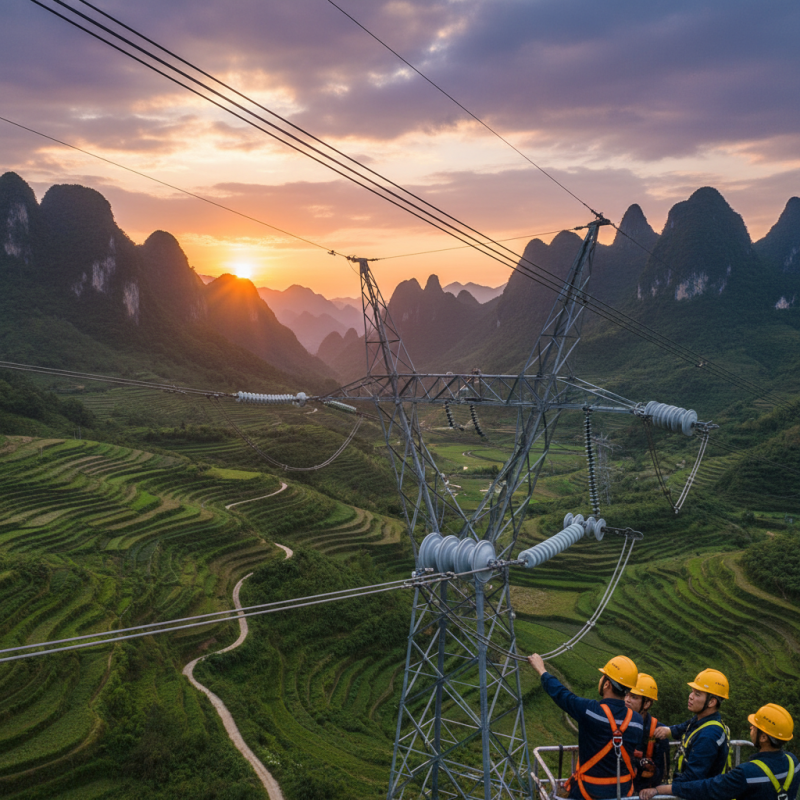
Top Benefits of Using Polymeric Surge Arresters in China?

Advantages of Polymeric Surge Arresters Over Traditional Metal-Oxide Varistors

Polymeric surge arresters are gaining popularity in China, primarily due to their advantages over traditional metal-oxide varistors (MOVs). These advanced devices are made from polymeric materials that offer superior insulation and weather resistance. A report by the Electric Power Research Institute indicates that polymeric surge arresters can withstand harsh environmental conditions better than MOVs. This is crucial in regions with extreme weather, as traditional devices often fail when exposed to moisture.

Another key benefit is reliability. Polymeric surge arresters are less prone to thermal runaways. They can handle higher energy surges without degrading. Studies show that the lifespan of polymeric devices can exceed 20 years, compared to 10-15 years for metal-oxide types. This reduction in failure rates translates into fewer maintenance costs and improved system uptime.

However, challenges remain. The initial cost of polymeric surge arresters can be higher than their metal-oxide counterparts. Stakeholders must weigh this against long-term savings and benefits. Continuous research is necessary to address concerns regarding material aging and long-term performance in varied conditions. This ongoing effort will help solidify the role of polymeric surge arresters in electrical systems across China.

Top Benefits of Using Polymeric Surge Arresters in China
Advantages Polymeric Surge Arresters Traditional Metal-Oxide Varistors
Weight Lightweight and easy to transport Heavier, more cumbersome
Durability High resistance to environmental factors Susceptible to corrosion and degradation
Installation Cost Lower installation costs Higher installation costs
Temperature Range Wide operating temperature range Narrower operating temperature range
Aging Resistance Superior aging resistance Less aging resistance

Key Performance Metrics of Polymeric Surge Arresters in Power Systems

Polymeric surge arresters (PSAs) are becoming increasingly popular in China's power systems. Their unique design offers significant advantages over traditional ceramic arresters. PSAs are lighter, making installation easier. They also withstand harsh environmental conditions, essential for regions with extreme weather. According to a report from the China Electric Power Research Institute, PSAs demonstrate a fault current rating of up to 100 kA, ensuring robust protection against surges.

One of the key performance metrics of PSAs is their energy absorption capability. Studies reveal that they can absorb up to 30% more energy than ceramic counterparts. This increased absorption translates to enhanced reliability for electrical grids. Enhanced insulation coordination is another benefit, helping to ensure safer power delivery. However, it is essential to monitor the long-term performance of PSAs under varying conditions to ensure their effectiveness over time.

Tip: Regular testing of surge arresters can help identify potential failures before problems arise. Consider implementing a predictive maintenance schedule for optimal performance. Incorporating smart monitoring solutions can further improve system reliability. Understanding the limitations of new technologies is vital for making informed decisions in power systems.

Impact of Polymeric Surge Arresters on Electrical Infrastructure Reliability

Polymeric surge arresters play a significant role in enhancing electrical infrastructure reliability in China. Recent studies indicate that polymeric materials can withstand extreme weather conditions, reducing maintenance costs by up to 30%. These arresters are ideal for urban environments where pollution levels can affect equipment performance. Their lightweight design facilitates easier installation and replacement, which minimizes downtime.

In addition to mechanical advantages, polymeric surge arresters provide a high level of insulation resistance. According to industry reports, these arresters have a breakdown strength significantly higher than traditional ceramic options. This means they offer better protection against electrical surges. Electric utilities can expect improvements in service continuity and reduced outage duration, essential for urban development and economic stability.

Tips: Regular inspections of surge arresters ensure they remain in top condition. Investing in quality installations can prevent long-term losses from equipment failures. Consider training personnel in best practices for surge protection management to enhance reliability. A proactive approach is vital for maintaining infrastructure in an era of rising energy demands.

Cost-Benefit Analysis of Implementing Polymeric Surge Arresters in China

Polymeric surge arresters (PSAs) offer significant advantages in China's electrical systems. Their cost-effectiveness is particularly appealing. While initial investments may seem high, the long-term savings in maintenance and replacements are notable. PSAs typically have a longer lifespan, reducing the need for frequent replacements.

In addition to their longevity, PSAs are lightweight and easy to install. This reduces labor costs and accelerates project timelines. However, one must consider the local climate and environmental conditions. Not all regions may benefit equally from PSAs. Evaluating the specific needs of your infrastructure is crucial for maximizing the benefits.

Tips for Implementation:
Consider conducting a detailed cost-benefit analysis. Look closely at potential savings in maintenance. Also, evaluate the local environmental factors. It may help prevent unforeseen challenges in the future. Communication with technical experts can offer further insight. Always aim to establish a balance between cost and performance when integrating PSAs into your systems.

Environmental Considerations and Sustainability of Polymeric Surge Arresters

Polymeric surge arresters are gaining traction in China due to their environmental benefits. These arresters are lighter and more durable than traditional ceramic types. They reduce the risk of breakage and waste. This translates to less environmental impact in manufacturing and disposal.

From a sustainability perspective, polymeric materials are often recyclable. This feature makes them a more responsible option for modern electrical infrastructure. However, challenges remain. The longevity of these materials must be continually assessed. Their performance in extreme weather conditions is also a concern.

There is still a gap in research regarding the life cycle assessment of polymeric surge arresters. Understanding their long-term impacts could enhance their appeal. Stakeholders must engage in constructive dialogue to address these uncertainties. This will foster a more sustainable future for electrical systems in China.

FAQS

: What are the main benefits of polymeric surge arresters?

: Polymeric surge arresters offer superior insulation, weather resistance, and increased reliability over traditional devices.

How long do polymeric surge arresters typically last?

They can exceed 20 years, which is longer than the 10-15 years typical for metal-oxide variety.

Are polymeric surge arresters more expensive initially?

Yes, the upfront cost can be higher, but long-term savings may offset this.

What environmental conditions can polymeric surge arresters withstand?

They perform well in extreme weather, unlike traditional devices that can fail in moisture.

How much more energy can polymeric surge arresters absorb compared to ceramics?

Studies show they absorb up to 30% more energy, enhancing grid reliability.

What should be monitored for polymeric surge arresters over time?

Long-term performance under varying conditions should be regularly assessed for continued effectiveness.

Is installation of polymeric surge arresters easier than other types?

Yes, they are lighter and simpler to install, reducing labor costs.

What factors should be considered before implementing polymeric surge arresters?

Local environmental conditions and specific infrastructure needs should be evaluated.

How can predictive maintenance help with surge arresters?

Regular testing can identify potential failures, enhancing overall system reliability.

What balance should stakeholders aim for when using polymeric surge arresters?

It’s essential to balance cost and performance for the best implementation results.

Conclusion

Polymeric surge arresters have emerged as a vital component in enhancing the reliability and efficiency of electrical infrastructure in China. Their advantages over traditional metal-oxide varistors include better resistance to environmental stress, lighter weight, and greater flexibility, making them easier to install and maintain. Key performance metrics indicate that polymeric surge arresters deliver superior protection in power systems by effectively managing voltage spikes, thereby safeguarding equipment and prolonging system lifespan.

The cost-benefit analysis reveals that despite a higher initial investment, the long-term savings due to reduced maintenance and increased system reliability make polymeric surge arresters a prudent choice for electrical utilities. Furthermore, their environmentally friendly characteristics align with sustainability goals, as they can be produced with less environmental impact compared to conventional options. Overall, the adoption of polymeric surge arresters presents a strategic opportunity for enhancing electrical system performance while supporting sustainable development initiatives in China.

Liam

Liam

Liam is a dedicated marketing professional with a profound expertise in the industry, where he excels at highlighting the unique advantages of our core products. With a keen understanding of market trends and consumer needs, Liam frequently updates our company’s professional blog, providing......