
Shu Guang Shu Guang

Why is Power Transformer Fuse Essential for Your Energy System?

Time:2026-06-30 Author:Oliver
0%

Power Transformer Fuse is a critical component in energy systems. It protects transformers from overloads and short circuits. Without adequate protection, equipment damage can occur, leading to costly outages.

The importance of Power Transformer Fuse lies in its ability to enhance system reliability. It acts as a safety net, ensuring that electrical faults do not escalate. A blown fuse can prevent significant damage, preserving both equipment and financial resources.

However, reliance on Power Transformer Fuse is not without challenges. Regular maintenance and testing are necessary to guarantee optimal performance. Inadequate attention may lead to failures, undermining the fuse's protective purpose. Ensuring the effective functioning of this vital component is essential for an efficient energy system.
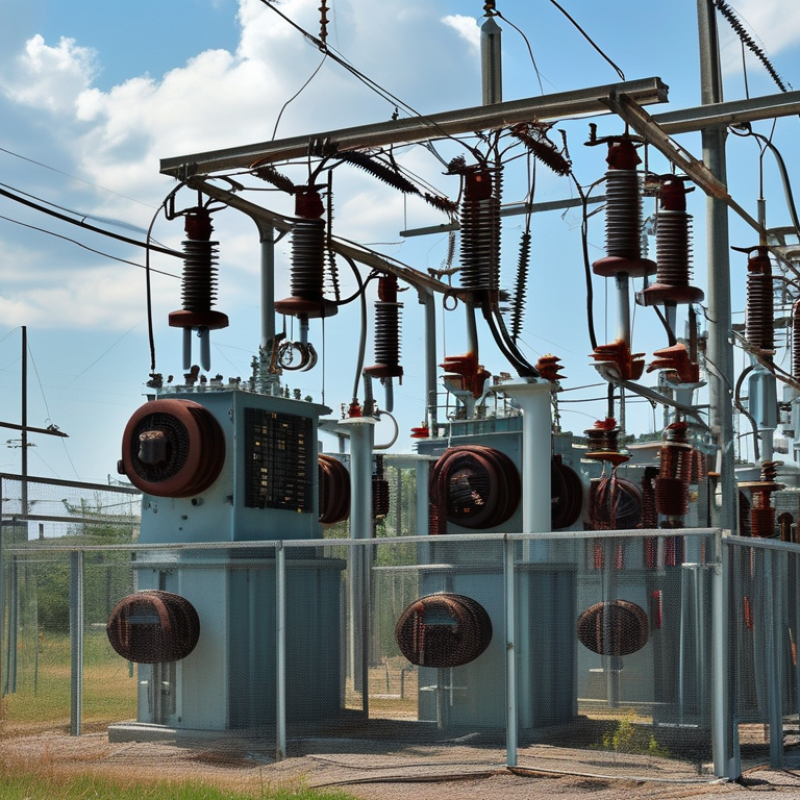
Why is Power Transformer Fuse Essential for Your Energy System?

Understanding the Role of Power Transformer Fuses in Energy Systems

Power transformer fuses play a critical role in energy systems by providing essential protection. These fuses safeguard transformers from overloads and short circuits. In 2021, the global power transformer market was valued at approximately $43 billion. This growth emphasizes the need for reliable components, including fuses.

Transformers face stress from voltage fluctuations and increased demand. According to the IEEE, defects in transformers can lead to efficiency drops of up to 15%. When a fault occurs, fuses act quickly to isolate the problem, preventing further damage. A timely response can save thousands in repair costs.

Despite their importance, many facilities overlook regular fuse inspections. Neglecting this task can lead to catastrophic failures. Regular maintenance can significantly reduce risks associated with transformer faults. Reports indicate that up to 30% of transformer issues could have been avoided with better fuse management. This highlights the crucial need for ongoing assessment and care in energy systems.

Key Benefits of Installing Fuses in Power Transformers

Power transformer fuses play a crucial role in safeguarding energy systems. These devices protect transformers from overloads and short circuits. According to the IEEE Power and Energy Society, nearly 30% of electrical faults can be attributed to transformer failures. This statistic underscores the importance of fuses in maintaining system stability. By removing fault conditions quickly, fuses help prevent extensive damage to equipment, which can lead to costly outages.

Installing fuses in power transformers offers several key benefits. They provide reliable protection against electrical overloads. A recent report from the International Energy Agency (IEA) highlighted that transformer-related failures contribute to an increase in maintenance costs by up to 40%. Fuses help mitigate this risk, thereby supporting the longevity of the energy system. Moreover, maintenance windows can be reduced, allowing for more efficient operations. Users benefit from reduced downtime and better system reliability.

Considerations are necessary when selecting fuses. Not all transformers require the same fuse ratings. It is essential to match the fuse type to the specific application. Balancing protection with the transformer’s operational capacity can be complex. Regular assessments ensure that a transformer’s design requirements align with its protection mechanisms. These reflections are vital for effective energy system management.

Power Transformer Fuse Performance Analysis

This chart illustrates the key benefits of installing fuses in power transformers, highlighting their impact on response time, load protection, operational cost reduction, and system downtime reduction.

Common Types of Fuses Used in Power Transformers

Power transformers play a crucial role in energy systems. They help regulate voltage levels and ensure efficient electricity distribution. Fuses are key components that protect these transformers from overload and faults. Understanding the types of fuses can enhance the reliability of any energy system.


Several common types of fuses are used in power transformers. The expulsion fuse is one option. It features a design that expels the arc when a fault occurs. This mechanism helps prevent damage and minimizes operational downtime. Another type is the cartridge fuse. It offers a compact design and can handle large currents. Professionals often choose this fuse for its reliability.


There are also current-limiting fuses. These are designed to limit the current during a short circuit, protecting transformer windings. While each type has its advantages, selecting the appropriate fuse requires consideration of various factors. The environment and operating conditions are vital. In some cases, using the wrong fuse can lead to insufficient protection. Always ensure that the selected fuse matches the specific requirements of the transformer and installation.

How to Choose the Right Fuse for Your Transformer Needs

Choosing the right fuse for your transformer needs is crucial for maintaining system reliability. The importance of a power transformer fuse cannot be overstated. According to the IEEE, nearly 40% of transformer failures can be attributed to fuse issues. Selecting a fuse with the correct rating ensures effective protection against overloads and short circuits. This decision impacts both safety and operational longevity.

Factors to consider include the transformer’s voltage rating and the expected load. For instance, using a fuse rated too low can result in unnecessary trips, causing operational inefficiencies. Conversely, a fuse rated too high may not operate during critical fault conditions, leading to catastrophic failures. The National Electrical Manufacturers Association (NEMA) recommends a thorough assessment of all operational parameters when selecting fuses.

Fuses come in various types, including current-limiting and dual-element designs. Understanding their differences is key. A current-limiting fuse responds quickly to short circuits, minimizing damage. Some experts suggest integrating a monitoring system for real-time data. This can provide insights into fuse performance, preventing unexpected failures. Regular assessments and updates are necessary, as shifts in load can affect fuse effectiveness over time.

Maintenance Best Practices for Power Transformer Fuses

Power transformer fuses play a crucial role in protecting your energy system. Regular maintenance of these fuses can prevent costly failures. Inspections should happen regularly. Look for signs of wear. Corrosion or visual damage can indicate potential issues. Proper cleaning of fuse connections ensures better conductivity and reliability.

Testing the fuses should not be overlooked. Ensure they operate within specifications. A simple test can reveal if a fuse is functioning correctly. If inconsistent results appear, this might indicate deeper problems. Monitoring temperature is essential. Overheating can lead to fuse failure, impacting system performance.

Documentation is key. Maintain records of all maintenance activities. This helps in trend analysis. Reflection on previous issues can prevent future failures. Regular training for staff about fuse maintenance can enhance overall competency. Continuous learning in this area is vital to ensure reliability.

FAQS

: Why are power transformer fuses important?

: They protect transformers from overloads and short circuits, ensuring system reliability.

How often should fuses be inspected?

Regular inspections are essential. Neglect can lead to catastrophic failures in transformers.

What factors affect fuse selection?

Consider the transformer's voltage rating and expected load to choose the right fuse.

What happens if a fuse is rated too low?

A low-rated fuse may trip unnecessarily, causing operational inefficiencies in the system.

What risk comes from using a fuse rated too high?

A high-rated fuse may not operate during faults, potentially leading to significant damage.

How can monitoring enhance fuse performance?

Integrating a monitoring system provides real-time data and insights into fuse effectiveness.

What maintenance practices are recommended for fuses?

Regular inspections, cleaning connections, and testing within specifications are crucial for reliability.

Why is documentation important in fuse maintenance?

Keeping records aids in trend analysis and helps reflect on past issues to prevent future failures.

What should be monitored to prevent fuse failure?

Temperature needs close monitoring, as overheating can lead to fuse failures and impact performance.

Why is training important for staff maintaining fuses?

Continuous training enhances competency and ensures better reliability in maintaining fuses.

Conclusion

The article "Why is Power Transformer Fuse Essential for Your Energy System?" emphasizes the critical role that Power Transformer Fuses play in maintaining the reliability and safety of energy systems. It discusses how these fuses protect transformers from overloads and faults, thus preventing costly damages and ensuring continuous operation. The article outlines key benefits, including enhanced protection, reduced downtime, and improved safety compliance.

Additionally, it covers the common types of fuses utilized in power transformers, guiding readers on how to select the appropriate fuse based on their specific transformer requirements. Maintenance best practices are also highlighted to ensure the longevity and effectiveness of Power Transformer Fuses. By understanding these aspects, stakeholders can make informed decisions that bolster the performance and safety of their energy systems.

Oliver

Oliver

Oliver is a seasoned marketing professional with a wealth of expertise in driving brand awareness and engagement. With a deep understanding of our company's product offerings, he consistently delivers high-quality content that enriches our professional blog. His insights not only shed light on......