
Shu Guang Shu Guang

2026 How to Choose the Right Fuse Cut Out for Your Needs?

Time:2026-08-15 Author:Henry
0%

Choosing the right Fuse Cut Out can be challenging. Fuse Cut Outs are essential components for electrical systems. They protect circuits from overloads and short circuits. Selecting the appropriate type requires careful consideration of several factors.

Understanding your specific needs is crucial. Different applications may require different types of Fuse Cut Outs. For instance, industrial settings often need more robust equipment. Residential areas might only need standard options. Evaluating your power requirements is key to making an informed choice.

Consider consulting experts in the field. Their experience can help guide your decision. It's also wise to review product specifications and manufacturer recommendations. A small mistake in your choice can lead to significant issues. Investing time in research will lead to better reliability and safety in your electrical systems.
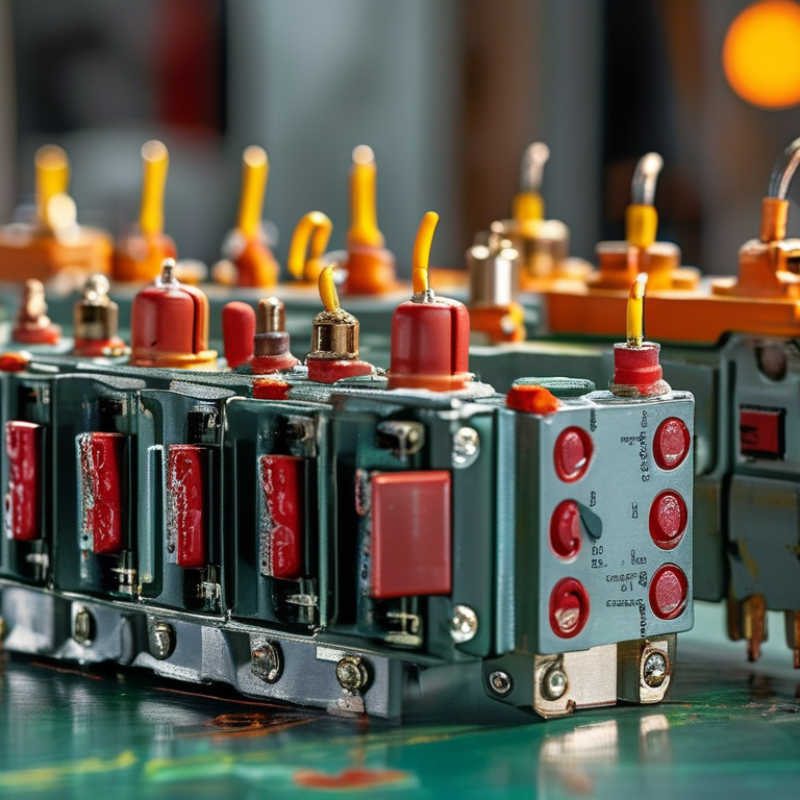
2026 How to Choose the Right Fuse Cut Out for Your Needs?

Understanding Fuse Cut Outs: Definition and Functionality

Fuse cut outs play a vital role in electrical systems. They serve as protective devices that disconnect power during faults. Their functionality lies in preventing overcurrent, which can cause equipment damage and hazards. According to industry reports, nearly 30% of electrical failures stem from improper protection equipment. Therefore, understanding fuse cut outs is crucial for maintaining safe operations.

When choosing a fuse cut out, consider factors like voltage ratings and current capacity. Evaluate the environment where it will be installed. Outdoor locations require units with robust weather protection. A study indicated that 40% of failures in fuse cut outs result from inadequate environmental adaptations. This emphasizes the importance of selecting the right model for your specific needs.

Tips: Always consult with a qualified electrician before making a decision. They can help identify the appropriate specifications for your project. Regular maintenance checks are crucial as they can reveal wear or malfunctioning parts that aren’t immediately visible. Investing time in proper selection and upkeep can significantly enhance electrical safety and reliability, reducing potential future issues.

Key Factors in Selecting the Right Fuse Cut Out for Voltage Ratings

Choosing the right fuse cut out is crucial. It impacts performance and safety. When selecting a cut out, consider voltage ratings carefully. Voltage ratings ensure the cut out can handle the electrical load. Underestimating these ratings can lead to failures. Proper evaluation is essential for reliable operation.


You should also assess environmental factors. Extreme temperatures, moisture, and dust can affect performance. A fuse cut out may need additional features for protection. Inspecting the installation space is vital as well. Ensure adequate clearance for maintenance. Simply relying on standard specifications won't suffice.


It's important to consider the application context. Different applications may require specific testing standards. Understanding these needs can enhance safety and reliability. Balancing these factors might seem challenging. However, continuous evaluation and understanding help in making informed choices. Being proactive about these details fosters better long-term outcomes.

Analyzing Current Capacity: Determining the Proper Amperage Needs

When selecting a fuse cut out, understanding your current capacity is crucial. One of the first steps is to determine the proper amperage needs for your electrical systems. This process involves assessing the maximum load your system will experience. Take time to analyze equipment specifications and existing circuit requirements. Accurate calculations help prevent overloads, ensuring safety and efficiency.

Calculation methods can vary. It's essential to consider both continuous and surge loads. Continuous loads typically run for long periods, while surge loads occur briefly but may spike high. Miscalculating amperage can lead to equipment failures or hazards. Be cautious and consult expert resources to validate your numbers.

Real-world conditions often challenge ideal calculations. Factors like temperature and wiring conditions can impact performance. Sometimes, you may find your initial estimates off mark. Revisiting these figures can provide insight to refine your choices. This iterative process is vital for ensuring long-term reliability with your fuse cut out selection.

Material Considerations: Comparing Insulation and Life Expectancy

Selecting the right fuse cut out involves critical material considerations. The choice of insulation can greatly affect performance. Common materials include porcelain and polymer. Porcelain is sturdy and has stand-up properties against environmental factors. However, it can be brittle, raising concerns for longevity in certain applications.

On the other hand, polymer insulation offers flexibility. It withstands impacts better than porcelain. This flexibility often results in a longer life expectancy. Yet, polymer can degrade under UV light exposure. Users must weigh these pros and cons carefully.

Life expectancy is a key factor when choosing a fuse cut out. Regular inspections can help identify wear and tear in materials. Environmental conditions play a significant role. Extreme temperatures and humidity can affect insulation types differently. It's essential to assess the specific conditions of your application before finalizing your choice. Evaluating these aspects will help ensure reliable and effective performance.

Compliance with Standards: Meeting Regulatory Requirements for Fuse Cut Outs

Understanding the regulatory landscape is crucial when selecting a fuse cut out. Compliance with recognized standards ensures safety and reliability in electrical systems. Regulations vary across regions. Always check local codes and guidelines before making a decision. This compliance is not just a checkbox; it reflects a commitment to safety.

Consider the environment in which the fuse cut out will operate. Factors like temperature, humidity, and exposure to chemicals can influence performance. A fuse cut out that works well in one setting may fail in another. It's essential to balance your specific needs with regulatory requirements.

Assess the certifications of your chosen fuse cut out. Look for indicators of compliance, such as UL or IEC standards. These certifications demonstrate a product's reliability and effectiveness. However, not all manufacturers may adhere to these standards. Conducting due diligence is vital to avoid potential pitfalls. Quality must never be compromised for cost savings.

FAQS

: Why is selecting the right fuse cut out important?

: The right fuse cut out impacts performance and safety significantly.

What factors should be considered when selecting a fuse cut out?

Voltage ratings, environmental conditions, and application context are crucial factors.

How can voltage ratings affect a fuse cut out's performance?

Underestimating voltage ratings can lead to operational failures and safety hazards.

What environmental factors should I evaluate?

Extreme temperatures, moisture, and dust may require additional protective features for reliable operation.

Why is understanding current capacity essential?

It helps determine proper amperage needs and prevents equipment overloads.

What calculation methods should I use for amperage needs?

Consider both continuous loads and surge loads to make accurate assessments.

What materials are commonly used for fuse cut outs?

Common materials include porcelain and polymer, each with pros and cons.

What must I consider about insulation materials?

Porcelain is durable but brittle, while polymer is flexible but may degrade in UV light.

How does life expectancy factor into selection?

Regular inspections and environmental conditions can significantly affect the lifespan of insulation materials.

What should I do if my initial amperage estimates seem off?

Revisiting and recalculating estimates can refine your choices for improved accuracy and safety.

Conclusion

When selecting the right Fuse Cut Out for your electrical needs, it's essential to understand its definition and functionality. A Fuse Cut Out serves as a protective device that disconnects the electrical circuit during overload conditions. To choose the appropriate Fuse Cut Out, one must consider various factors, such as voltage ratings, current capacity, and the specific amperage requirements for the application.

Additionally, material considerations play a crucial role, as the insulation type and life expectancy can significantly affect performance and safety. Compliance with regulatory standards is also vital, as it ensures that the selected Fuse Cut Out meets all necessary requirements for safe operation. By carefully analyzing these key factors, you can ensure the optimal performance and longevity of your electrical systems.

Henry

Henry

Henry is a dedicated marketing professional with a profound expertise in the company's offerings. With years of experience in the industry, he possesses an impressive understanding of the market dynamics and consumer behaviors that drive success. Henry is committed to sharing his insights through......