
Shu Guang Shu Guang

What is a High Voltage Fuse Link and How Does It Work?

Time:2026-08-20 Author:Charlotte
0%

High Voltage Fuse Links play a crucial role in electrical safety and equipment protection. These devices safeguard electrical circuits from overloads and short circuits, preventing potential damage. Understanding how High Voltage Fuse Links operate is essential for electrical engineers and technicians.

The operation of these fuses is quite fascinating. When an overcurrent flows through the fuse link, it generates heat. This heat melts the fuse element, interrupting the circuit. In many cases, this process occurs swiftly, minimizing damage. However, the quick response also necessitates careful selection and installation for reliability.

While High Voltage Fuse Links are reliable, they are not foolproof. Regular maintenance is essential. Users must check for signs of wear and tear to ensure optimal performance. Neglecting these checks can lead to failures during critical moments, highlighting the need for ongoing knowledge and awareness in the field of high voltage systems.
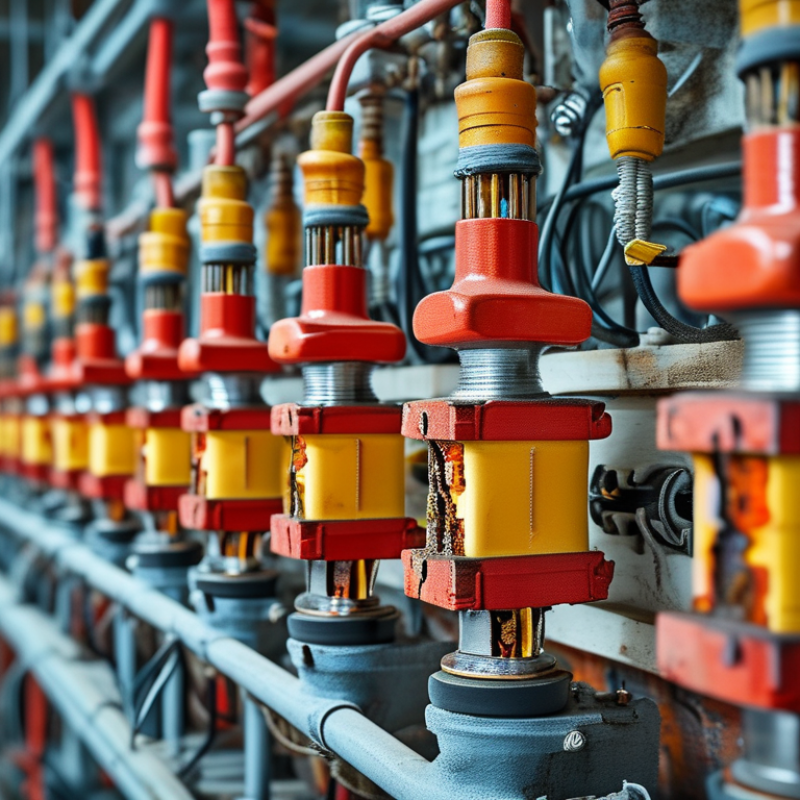
What is a High Voltage Fuse Link and How Does It Work?

Definition and Purpose of High Voltage Fuse Links

High voltage fuse links are essential components in electrical systems. They serve the primary purpose of protecting against overcurrent conditions. When excessive current flows, the fuse link melts, interrupting the circuit and preventing damage. This device is critical in maintaining system integrity and ensuring safety.

The design of high voltage fuse links is crucial. They must handle significant electrical loads without failure. Materials used in their construction are often robust and heat-resistant. These features ensure reliability in various operating conditions. However, not all fuses work perfectly; some might fail to operate when needed. This can lead to costly repairs and unsafe conditions.

Understanding the importance of high voltage fuse links can help in selecting the right components. Regular maintenance is also necessary to ensure proper functionality. Even with the best designs, human error and environmental factors play a role. Evaluating your systems periodically can prevent unexpected issues.

Construction and Components of High Voltage Fuse Links

High voltage fuse links are vital components in electrical systems. Their main role is to protect equipment from overcurrent. Understanding their construction helps in grasping their function. A typical fuse link consists of a metal conductor, a fuse element, and an insulating body. The conductor carries the current, while the fuse element melts under excessive heat, interrupting the circuit.

The fuse element is usually made from materials like copper or silver, known for good conductivity. It has a specific melting point, designed to handle certain current thresholds. The insulating body is crafted from high-dielectric materials, ensuring safety and reliability under high voltage conditions. These components are carefully designed to work together, offering both protection and durability.

In practice, the quality of each component varies. Sometimes, the fuse may fail to operate as expected. Factors like manufacturing defects or environmental conditions can affect performance. Regular testing and maintenance are crucial for ensuring reliability. Understanding these details helps in choosing the right fuse for specific applications. It's essential to reflect on how these components can be optimized for better performance.

What is a High Voltage Fuse Link and How Does It Work? - Construction and Components of High Voltage Fuse Links

Component Material Function Voltage Rating (kV) Current Rating (A)
Fuse Element Copper or Silver Conducts current; melts under overload 10 100
Insulation Thermoplastic or Epoxy Prevents current leakage 10 100
Arc Quenching Medium Silicon Oil or Air Extinguishes the arc formed during operation 10 100
End Caps Aluminum or Steel Provides mechanical support 10 100

Operation Mechanism of High Voltage Fuse Links

High voltage fuse links are crucial in electrical systems, protecting against overcurrent. They are designed to operate automatically, disconnecting power quickly to prevent damage. When an overload occurs, the fuse link heats up and melts, interrupting the circuit. This process occurs within milliseconds, making it essential for safety.

The operation mechanism relies on the fuse element, often made of a metal conductor. When excess current flows, it generates heat. This heat reaches a specific threshold, causing the metal to melt. The melted link stops the current flow, protecting connected equipment from damage. Testing and maintaining these fuse links is important. Over time, their reliability might diminish.

Tips: Regularly inspect your high voltage fuse links. Look for any signs of wear or damage. It can help avoid unexpected failures. Also, ensure your fuse links are suitable for the specific voltage and current requirements of your system. Mismatches can lead to ineffective protection.

Types of High Voltage Fuse Links and Their Applications

High voltage fuse links play a crucial role in power systems. They are specifically designed to protect electrical circuits from overloads and short circuits. There are various types of high voltage fuse links, each serving unique functions and applications. Some common types include current-limiting fuses, expulsion fuses, and cartridge fuses.

Current-limiting fuses are effective in minimizing fault currents. They discharge rapidly, limiting damage during electrical faults. Expulsion fuses operate by expelling ionized gas to extinguish the arc produced when the fuse melts. They are often used in outdoor applications. Cartridge fuses, on the other hand, come in various sizes and ratings, making them versatile for different systems.

Choosing the right type of fuse link is vital. Each application has specific requirements, such as voltage ratings and operational environments. Understanding these details can ensure effective protection. Misjudgments in selection can lead to severe consequences. It’s essential to continuously evaluate your choices based on performance and reliability.

Safety Standards and Testing for High Voltage Fuse Links

High voltage fuse links play a crucial role in protecting electrical systems. To ensure their effectiveness, strict safety standards and testing methods are in place. These standards are designed to prevent electrical fires and equipment damage. They also help to maintain safety in power distribution networks.

Testing high voltage fuse links involves various methods. Routine inspections check for physical integrity and functionality. Additionally, manufacturers perform tests to evaluate performance under extreme conditions. This includes thermal and mechanical stress tests. Such evaluations are essential to confirm that the fuse links will operate correctly in real-world situations.

However, the testing process is not always perfect. Errors can occur, leading to potential failures when it matters most. It's crucial for users to understand the limitations of these tests. Regular maintenance and monitoring of fuse links are necessary. This ensures that they continue to meet safety standards throughout their operational life. A proactive approach to safety can greatly minimize risks associated with high voltage systems.

FAQS

: What are high voltage fuse links used for?

: High voltage fuse links protect electrical systems from overcurrent. They disconnect power rapidly to prevent damage.

How do high voltage fuse links operate?

They operate by melting a metal conductor when excess current flows. This interrupts the circuit immediately.

Why is regular inspection of fuse links important?

Regular inspections identify wear or damage. This helps avoid unexpected failures in electrical systems.

What types of high voltage fuse links exist?

Common types include current-limiting fuses, expulsion fuses, and cartridge fuses. Each type has specific applications.

What is a current-limiting fuse?

A current-limiting fuse minimizes fault currents quickly, limiting damage during electrical faults. It's effective in various systems.

How is the performance of fuse links tested?

Testing involves routine inspections and stress tests for thermal and mechanical performance. This ensures they operate correctly.

What might go wrong during the testing of fuse links?

Errors can happen during testing. These mistakes may lead to failures when the fuse links are needed most.

How can users ensure fuse links meet safety standards?

Regular maintenance and monitoring are essential. This helps maintain safety and reliability throughout their operational life.

What happens if fuse links are mismatched?

Mismatched fuse links can result in ineffective protection. This can lead to severe consequences for equipment safety.

Why is choosing the right type of fuse link vital?

Each application has specific voltage and environmental requirements. Misjudgments in selection can compromise system safety.

Conclusion

High Voltage Fuse Links are essential protective devices designed to safeguard electrical systems from overloads and short circuits. These fuse links consist of various components, including a fuse element that melts under excess current, thereby interrupting the circuit and preventing further damage. Their construction is tailored to withstand high voltage levels, ensuring reliability in critical applications.

The operation mechanism of High Voltage Fuse Links relies on thermal and electromechanical effects to detect overcurrent conditions. Different types of fuse links are available, each serving specific applications across various industries, such as energy distribution and manufacturing. Adhering to safety standards and conducting rigorous testing is crucial to ensure their effectiveness and reliability in protecting electrical equipment and enhancing overall safety in power systems.

Charlotte

Charlotte

Charlotte is a seasoned marketing professional with a deep understanding of the company's portfolio and a passion for elevating its presence in the market. With a keen eye for detail and a commitment to excellence, she ensures that our professional blog is regularly updated with insightful articles......