
Shu Guang Shu Guang

2026 How to Choose the Right Fuse for Transformer Applications?

Time:2026-06-27 Author:Amelia
0%

Choosing the right Fuse of Transformer is critical for optimal performance and safety. Transformers play a pivotal role in electrical systems. However, they can be vulnerable to overloads and faults. A fuse serves as the first line of defense against such disruptions.

The selection process is not straightforward. Factors such as voltage ratings and current capacity must be carefully considered. A fuse must match the transformer's specifications to function effectively. Mistakes in this area can lead to equipment damage or safety hazards.

Moreover, understanding different fuse types is essential. Each type offers unique characteristics that suit specific applications. An informed choice can prevent costly downtime and enhance reliability. However, many users may overlook this aspect, leading to potential risks. Thus, taking time to assess needs and match the right Fuse of Transformer is vital for anyone involved in electrical engineering or maintenance.
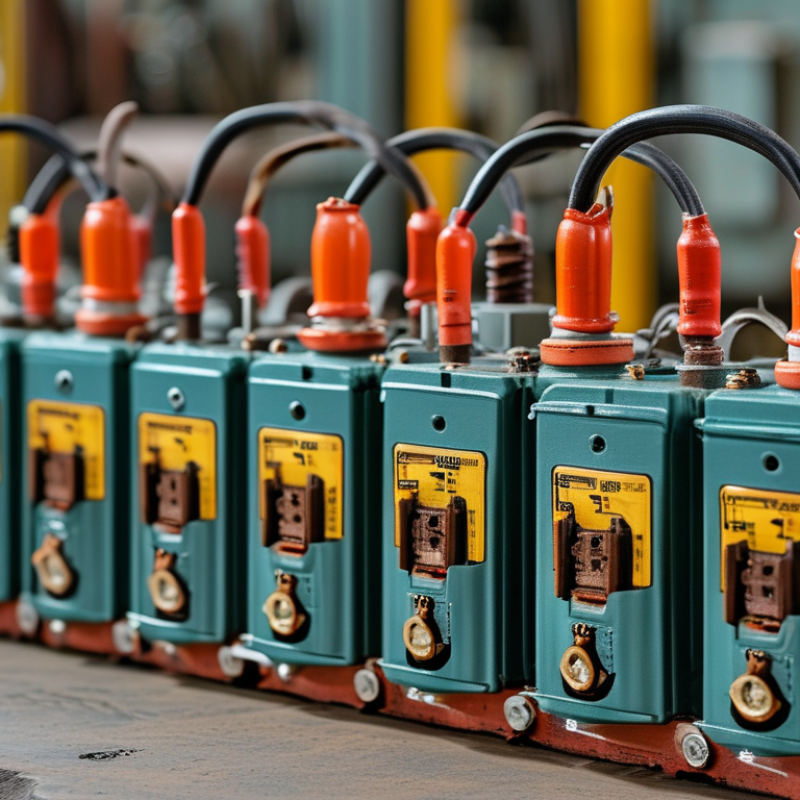
2026 How to Choose the Right Fuse for Transformer Applications?

Understanding the Importance of Fuses in Transformer Applications

Fuses play a crucial role in transformer applications. They protect transformers from overloads and faults, ensuring operational safety. Research shows that about 30% of transformer failures occur due to inadequate protection. Choosing the right fuse can significantly reduce these incidents.


The National Electrical Manufacturers Association (NEMA) emphasizes the importance of fuses in transformer circuits. They can interrupt fault currents quickly. Studies indicate that fuses can clear problems within 3 milliseconds. This rapid response prevents catastrophic failures and extends transformer life. Properly sized fuses also prevent nuisance trips, which can disrupt services.


Despite their benefits, many engineers overlook fuse selection criteria. An inappropriate fuse can lead to inadequate protection. Comprehensive testing of fuses is crucial. According to a recent industry report, 15% of fuses do not meet operational standards. Regular reviews and updates in fuse technology are essential for reliability in modern applications.

Key Factors to Consider When Selecting Fuses for Transformers

When selecting fuses for transformer applications, there are several key factors to consider. The voltage rating of the fuse should always match or exceed the system voltage. This ensures safety and prevents overheating. It's also crucial to evaluate the current rating of the fuse. Ideally, the fuse should have a rating that correlates with the transformer's load capacity. A mismatch can lead to frequent blowouts or inadequate protection.

Another important aspect is the speed of the fuse. Fuses are available in slow-blow and fast-acting types. Slow-blow fuses are better for applications with inrush currents, while fast-acting fuses excel in protecting against short circuits. A miscalculation here could mean inadequate safety during a fault condition. Additionally, physical size and installation space can affect your choice. Larger fuses may not fit in compact transformer designs.

Don't overlook environmental conditions. Fuses may need to withstand extreme temperatures or humidity levels. If these factors are ignored, the long-term reliability could be compromised. Furthermore, always consider the manufacturer's recommendations, even if they seem overly cautious. This might save time and resources in the long run. Each detail matters in the selection process, influencing the overall performance of the transformer system.

2026 How to Choose the Right Fuse for Transformer Applications

This chart illustrates the key factors to consider when selecting fuses for transformer applications, including amp rating, voltage rating, breaking capacity, and time-delay characteristics.

Types of Fuses Suitable for Transformer Protection

When selecting fuses for transformer protection, it’s vital to understand the types available. Fuse choice directly affects reliability and safety. A key option is the oil-filled fuse, designed to manage high voltage and fault currents. These fuses typically feature an enclosed structure that offers better insulation. Their design minimizes the risk of environmental interference.

Another option is the expulsion fuse. This type operates by expelling the fuse element when a fault occurs. This action is quick, helping to protect transformers from damage during an overload. However, they can be less effective in extreme conditions, leading to failures. The ceramic material used in these fuses provides durability but is not foolproof. Regular inspection is necessary to ensure they function correctly.

Lastly, current-limiting fuses provide quick response times. They act quickly to minimize damage during short circuits. While effective, these fuses require precise ratings to avoid nuisance blows. The challenge lies in properly matching the fuse type to the transformer's specific application. Adequate research and testing can help in making the right choice.

Calculating the Fuse Rating for Your Transformer

Calculating the fuse rating for transformer applications requires an understanding of both operational conditions and load characteristics. The fuse must protect the transformer from overloads and short circuits while ensuring optimal performance. Typically, a transformer is rated in kilo-volt-amperes (kVA), which informs the necessary fuse rating. Industry guidelines recommend a fuse rating between 125% to 150% of the transformer’s full-load current for general applications.

When calculating fuse ratings, consider variables such as inrush current. Inrush current can be up to 8 to 10 times the full-load current during startup. This peak load should be factored into your calculations to avoid nuisance blowing of fuses. Using the appropriate formula can help: Fuse Rating = (Transformer kVA x 1000) / (Voltage x √3). This provides a clear starting point.

Tip: Always consult local electrical codes and standards. These guidelines can differ based on location and application. Aligning your practices with established standards will enhance safety and reliability. Additionally, regular evaluation of your transformer and fuse performance is essential. If the fuse frequently blows without clear cause, reassessing the transformer load or considering a fuse with a higher rating may be necessary.

2026 How to Choose the Right Fuse for Transformer Applications? - Calculating the Fuse Rating for Your Transformer

Transformer Rating (kVA) Full Load Current (Amps) Suggested Fuse Rating (Amps) Type of Fuse Application Notes
10 60 80 Fast Acting Small transformers; quick protection required.
25 150 200 Time Delay Used with inductive loads; allows for temporary inrush currents.
50 300 400 Class L High current applications; provides overload and short-circuit protection.
100 600 800 Current Limiting Designed to limit short-circuit damage.
200 1200 1600 Dual Element Provides both overcurrent and short-circuit protection, ideal for large transformers.

Installation and Maintenance Best Practices for Transformer Fuses

Transformers are crucial in electrical systems, making the choice of the right fuse vital. Proper installation and maintenance of transformer fuses can significantly enhance their lifespan and performance. Studies show that poorly maintained fuses can lead to transformer failures, impacting operations and leading to costly downtimes.

Regularly inspect fuses for signs of wear or corrosion. These inspections can reveal hidden issues before they escalate. Keeping an organized maintenance record helps track performance and failures. Remember, the fuse rating must align with the transformer's specifications to avoid under or over-fusing. Deviation can lead to inefficiencies or damage, potentially causing operational losses.

Tip: Always clean the fuse connections when performing maintenance. This simple step can improve conductivity and reduce overheating.

When replacing fuses, select the correct type based on load requirements. Data from electrical engineering reports indicate that 30% of fuse failures relate to incorrect types being installed. Seek training or expert advice to ensure proper knowledge of fuse characteristics. This practice can prevent costly mistakes while ensuring compliance with safety standards.

FAQS

: What is the importance of voltage rating for transformer fuses?

: The voltage rating should match or exceed system voltage. This prevents overheating and ensures safety.

How does current rating affect fuse selection?

The fuse's current rating must correlate with the transformer's load. A mismatch can cause frequent blowouts.

What are the types of fuses available for transformers?

There are slow-blow and fast-acting fuses. Slow-blow fuses handle inrush currents better.

Why should environmental conditions be considered when choosing fuses?

Fuses need to withstand temperature and humidity. Ignoring this can compromise their long-term reliability.

How often should transformer fuses be inspected?

Regular inspections for wear or corrosion are essential. This can prevent significant issues in the future.

What is a critical step during fuse maintenance?

Always clean fuse connections during maintenance. This can enhance conductivity and minimize overheating issues.

What is the consequence of installing incorrect fuse types?

About 30% of fuse failures occur from wrong types. This can lead to costly operational losses.

Why is it necessary to keep a maintenance record for fuses?

Tracking performance helps identify trends. This can prevent issues from escalating and ensure timely action.

Should the manufacturer's recommendations be followed?

Yes, even if they seem cautious. Following them may save time and resources in the long run.

What happens if fuse ratings do not align with transformer specifications?

Deviation may lead to inefficiencies or damage. This can negatively impact operations and increase downtime.

Conclusion

In the realm of transformer applications, the selection of the right fuse is crucial for optimal performance and safety. Understanding the importance of fuses in safeguarding transformers cannot be overstated, as they play a vital role in protecting against overloads and short circuits. Key factors to consider when choosing a fuse for transformer protection include the transformer's current rating, application type, and environmental conditions.

Various types of fuses are available, each designed to meet specific protection needs. Calculating the appropriate fuse rating is essential to ensure reliability and efficiency. Additionally, adhering to best practices for installation and maintenance of the fuse of transformer will enhance the overall operational lifespan and performance of the system. Implementing these guidelines will ensure that transformers operate safely and effectively in their intended applications.

Amelia

Amelia

Amelia is a seasoned marketing professional with a wealth of expertise in our company’s core offerings. With an unwavering passion for driving growth and innovation, she plays a pivotal role in shaping our marketing strategies and enhancing brand visibility. A key aspect of her responsibilities......