
Shu Guang
Choosing the right expulsion fuses is crucial for electrical safety and efficiency. These devices protect equipment from overcurrent situations. They automatically disconnect circuits during faults, ensuring the safety of both personnel and infrastructure.
When selecting expulsion fuses, consider your specific needs. The voltage rating is a primary factor. It determines whether the fuse can handle the electrical load effectively. Additionally, the operating environment plays a significant role. Outdoor installations may need more robust fuses due to weather exposure.
However, not all fuses are created equal. Reliability can vary among brands. Therefore, it's essential to consult trusted manufacturers or experts. Look for certifications that ensure quality and safety standards. A thorough understanding of your requirements will lead to better decisions, ultimately enhancing your system's performance.
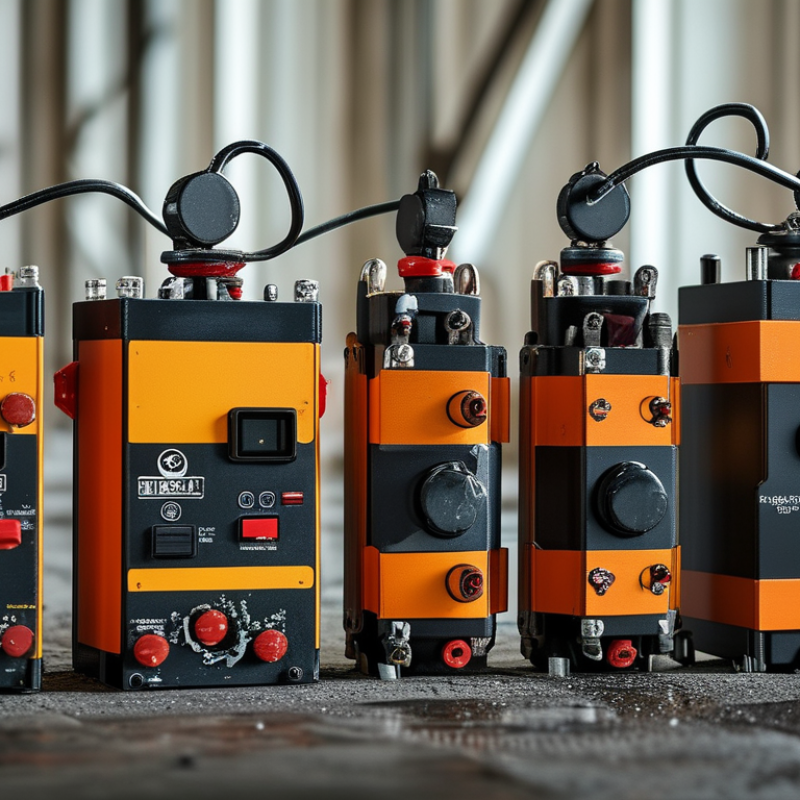
Expulsion fuses are essential in protecting electrical systems. They operate by interrupting excessive current flow. When an overload occurs, the fuse element melts. This can lead to a rupture that ejects the fuse from its holder, hence the name "expulsion fuse." Understanding this process is key to selecting the right fuse for your setup.
Consider the fuse ratings and compatibility with your network. The voltage and current ratings should match your system's requirements. A mismatch can result in inadequate protection. Pay close attention to environmental conditions too. Fuses may not perform well in extreme temperatures or damp places. Factors like altitude and humidity also impact performance.
Regular maintenance is crucial. Inspecting fuses can prevent unexpected failures. Even a small defect can lead to significant issues. Documenting fuse performance over time can also provide insight. You may need to replace fuses more frequently than anticipated. This is a learning curve for many. Understanding these aspects ensures reliable protection for your electrical systems.
When selecting expulsion fuses, it’s vital to identify the specific requirements of your electrical system. Start by assessing the voltage ratings of your system. Using fuses that are rated incorrectly can lead to system failures or safety hazards. According to a report by the Electrical Safety Foundation International, nearly 30% of electrical incidents arise from incorrect fuse ratings.
Next, consider the load characteristics. For instance, if your system has a high inrush current, you may need a fuse designed to withstand these spikes without blowing. Studies indicate that systems with mismatched fuse ratings experience about a 15% higher incidence of downtime. This highlights the importance of thoroughly understanding your load profiles.
Lastly, evaluate the environmental conditions where the fuses will be installed. High humidity or temperatures can affect fuse performance. The National Fire Protection Association states that nearly 20% of electrical fires are linked to improper fuse selection influenced by environmental factors. Be mindful of these aspects to ensure the safety and reliability of your electrical system.
| Parameter | Description | Recommended Value |
|---|---|---|
| Current Rating (A) | The maximum continuous current the fuse can handle. | 60 A - 600 A |
| Voltage Rating (V) | The maximum voltage that can be applied across the fuse. | 12 kV - 36 kV |
| Type of Fuse | Designates the application or environment for the fuse. | Expulsion, Cartridge, etc. |
| Interrupting Rating (kA) | The maximum fault current the fuse can interrupt safely. | 15 kA - 50 kA |
| Fuse Link Type | Type of fuse element that determines the response characteristics. | Time-delay, Fast-acting |
| Environmental Rating | The level of protection against moisture, dust, and temperature. | IP20, IP65 |
| Mounting Type | How the fuse is to be installed within the electrical system. | Pole-mounted, Indoor, Outdoor |
When evaluating different types of expulsion fuses, consider the application and environment they’ll be used in. Expulsion fuses are crucial for protecting electrical systems. They contribute to safety and efficiency. One common type is the oil-filled fuse. These allow for better voltage regulation. They are often used in outdoor settings due to their weather resistance.
Another type is the air-insulated fuse. This variation is suitable for indoor applications. They are typically compact and lightweight. However, they may be less effective in environments with high humidity. Knowledge of your specific requirements is vital. Factors like voltage levels, current ratings, and installation space affect the choice.
Finally, remember that reliability may vary. Not all fuses perform equally under the same conditions. Conducting thorough research will help. Look for user reviews and technical specifications. Being aware of limitations can guide better decisions. Each type serves a distinct role. Understanding these nuances can lead to a more informed choice.
Choosing the right expulsion fuse size is crucial for ensuring system reliability and safety. Proper selection involves understanding the specific requirements of your electrical system. Research indicates that nearly 50% of system failures result from inadequate fuse sizing. Therefore, it's essential to evaluate both the load current and the overall system capacity before making a decision.
Consider the nominal voltage and current ratings, as these impact performance. For instance, industry reports suggest that operating fuses at 80% of their rated capacity can significantly enhance their lifecycle. Additionally, environmental factors, such as temperature and humidity, can influence fuse effectiveness. Monitoring these elements aids in selecting an appropriate size.
There's also the importance of fault clearing time. Choosing a fuse that operates too slowly can lead to equipment damage. On the contrary, too fast a response might not allow for normal operational surges. It’s critical to strike a balance. A thorough evaluation of all these factors not only ensures optimal performance but also enhances safety protocols.
Expulsion fuses are critical for protecting electrical systems from overcurrent. Proper installation and maintenance ensure their effectiveness. According to industry reports, 85% of electrical failures are linked to inadequate fuse maintenance. Selecting the right expulsion fuse must consider factors like voltage and current ratings. Installers should follow guidelines from reputable sources to ensure safety and reliability.
Regular inspections of expulsion fuses can prevent costly downtime. Experts recommend checking for signs of wear every six months. Loosening of connections can lead to malfunction. A well-documented maintenance schedule promotes accountability. It's worth noting that 30% of fuse failures occur due to poor installation practices. Engaging qualified technicians to perform installations can minimize this risk.
Another concern is environmental factors. Humidity and temperature extremes can affect fuse performance. According to recent data, 40% of fuses fail in outdoor applications due to moisture ingress. Protecting fuses with weather-resistant enclosures is essential in such situations. Consideration of these best practices can enhance the reliability and lifespan of expulsion fuses.
: Expulsion fuses protect electrical systems by interrupting excessive current flow. They melt under overload and eject from their holder.
Consider voltage, current ratings, and overall system capacity. Matching specifications is crucial for optimal performance.
Regular inspections can prevent unexpected failures. Small defects can cause significant issues if left unaddressed.
Nearly 50% of system failures stem from improper sizing. Evaluate load current and capacity before selection.
Experts suggest checking fuses every six months for signs of wear. Regular maintenance is key to reliability.
Yes, temperature and humidity can impact effectiveness. Fuses may fail if exposed to extreme conditions or moisture.
About 30% of fuse failures are due to improper installation. Engaging qualified technicians can mitigate this risk.
A fuse that operates too slowly can damage equipment. It’s vital to balance response times with operational needs.
Yes, documenting performance helps track reliability. This practice can guide future maintenance schedules and replacements.
Neglecting environmental factors may lead to increased failures. Protecting fuses from moisture and extremes is essential.
Expulsion fuses are critical components in electrical systems, designed to protect equipment from overcurrents and faults. Understanding their functionality is essential, as these fuses operate by expelling a portion of their fuse element to interrupt the circuit during a fault condition. When choosing the right expulsion fuses, it’s important to identify the specific requirements of your electrical system, such as voltage, current ratings, and environmental conditions.
Evaluating the different types of expulsion fuses available in the market is crucial, as they come in various designs tailored for specific applications. Factors to consider include the appropriate fuse size and the maximum fault current the system may encounter. Furthermore, ensuring best practices for installation and maintenance can enhance the reliability and longevity of expulsion fuses, ultimately safeguarding your electrical infrastructure.
