
Shu Guang
Choosing the right Ceramic Fuse can be a complex task. It requires understanding different specifications and applications. Renowned expert in electrical components, Dr. Emily Carter, emphasizes, "Selecting a Ceramic Fuse is essential for ensuring device protection." Her insights highlight the importance of careful consideration in the selection process.
Many factors influence the choice of a Ceramic Fuse. The voltage rating and current limiting capabilities must match your equipment's requirements. A mismatch can lead to inadequate protection or even device failure. Think about the environment where the fuse will be used. Certain applications may expose the fuse to extreme temperatures or humidity.
Not every Ceramic Fuse is suitable for all situations. Some may perform well under specific conditions but fail in others. This inconsistency can be frustrating. Therefore, it’s crucial to evaluate your needs carefully. Consider working with an expert to guide you. With the right knowledge, you can confidently choose the best Ceramic Fuse for your requirements.
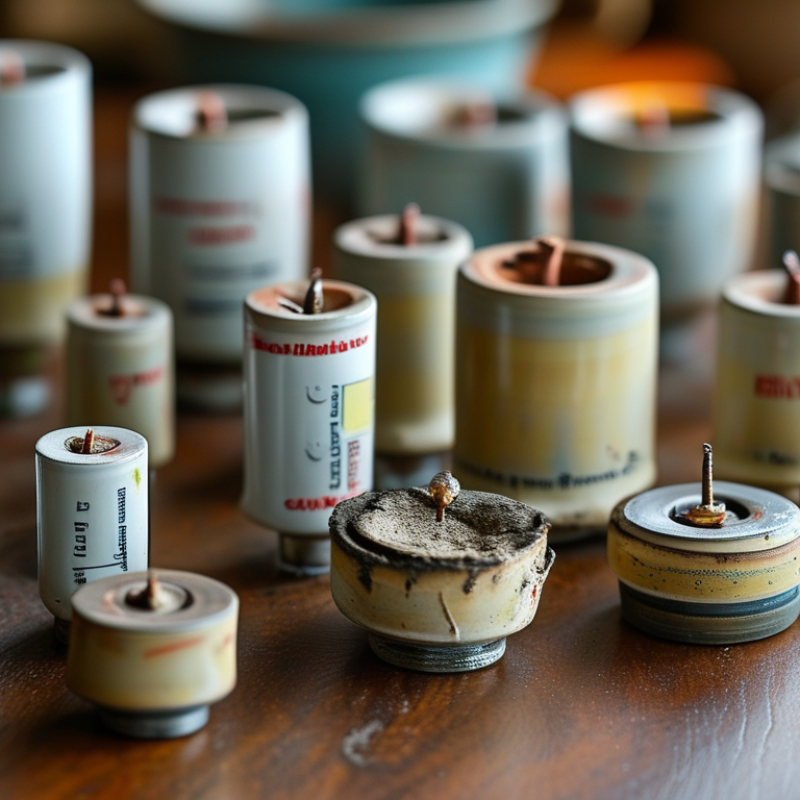
Ceramic fuses are essential components for protecting electrical circuits. They offer reliable performance and can withstand high temperatures. According to industry reports, ceramic fuses have a high breaking capacity, making them suitable for various applications, including home appliances, industrial machinery, and automotive uses.
There are two main types of ceramic fuses: cartridge fuses and blade fuses. Cartridge fuses are cylindrical and used in higher voltage applications. Blade fuses come in various sizes and are commonly found in automotive and electronic devices. Each type has its specific benefits that cater to different needs. However, choosing the wrong type can lead to equipment failure or safety hazards.
**Tip:** Determine the specific amperage requirements when selecting a fuse. Ensure the fuse's rating aligns with your application for optimal safety.
Always consider the environment where the fuse will operate. Factors like humidity, potential dust exposure, and extreme temperatures can affect fuse performance. Consult professional guidelines to better understand how these factors influence selection.
**Tip:** Inspect fuses regularly for signs of wear. Regular checks can prevent unexpected failures. These practices ensure optimal performance and safety in the long run.
When selecting a ceramic fuse, understanding key specifications is crucial. Voltage rating is a primary consideration. It indicates the maximum voltage the fuse can safely interrupt. A voltage rating that is too low can lead to failure under normal operating conditions. Most ceramic fuses range from 250V to 1000V, depending on the application.
Current rating is equally important. It defines how much current the fuse can handle before it blows. The standard industry test data suggest that choosing a fuse with a current rating higher than the expected load by 20% provides a buffer against nuisance blowouts. However, this must be balanced with the risk of allowing excessive current to flow, which could cause damage.
Tip: Always check the temperature coefficient of your selected fuse. This affects how the fuse performs under varying ambient temperatures. A ceramic fuse rated for high temperatures may have better reliability in hot environments.
Another aspect is the breaking capacity, which indicates the maximum fault current the fuse can safely handle. Values can vary widely, with some fuses rated for up to 100kA. Selecting a fuse with inadequate breaking capacity can lead to catastrophic failures.
Consider the physical size and mounting style as well. These can impact installation and replacement. Sometimes a fuse that meets all the specifications may not fit well into existing equipment.
Ultimately, due application knowledge helps avoid common pitfalls. A wrong fuse can lead to device failures. Making these choices thoughtfully ensures safety and longevity for your systems.
| Specification | Description | Typical Values |
|---|---|---|
| Current Rating | The maximum current the fuse can handle before blowing. | 0.1A, 1A, 3A, 5A, 10A, 15A, 20A |
| Voltage Rating | The maximum voltage the fuse can safely operate at. | 250V, 400V, 600V |
| Breaking Capacity | The maximum fault current the fuse can interrupt without becoming a hazard. | 35A, 70A, 100A, 200A |
| Size and Form Factor | Physical dimensions of the fuse to ensure it fits in the mounting space. | 5mm x 20mm, 10mm x 38mm |
| Temperature Coefficient | How the fuse reacts to temperature changes. | ±3% per °C |
Choosing the right ceramic fuse requires careful evaluation of voltage and current ratings. It's essential to match these ratings to your specific application. A fuse rated too low may blow frequently, disrupting your system. Conversely, a fuse rated too high may not protect your equipment adequately.
When assessing voltage ratings, consider the maximum voltage your circuit will experience. For example, if your equipment operates at 240 volts, select a fuse rated higher than this. However, don't go excessively high. This could lead to insufficient protection during fault conditions.
Current ratings are just as critical. Understand the continuous operating current of your appliances. A fuse should handle this current without blowing. But remember, the fuse also needs to respond to inrush currents. These can be significantly higher during startup. Testing different options can help identify the best fit. Keep track of performance. Adjust your selection based on observed failures or unexpected behavior. This iterative process ensures reliability and safety in your applications.
When choosing a ceramic fuse, understanding safety standards and certifications is crucial. These elements influence the fuse's reliability and performance. Look for fuses that comply with standards such as UL, IEC, or CSA. These certifications indicate thorough testing and adherence to safety protocols. A fuse with proper certification provides peace of mind, especially in critical applications.
Not all fuses are created equal. Some may pass basic tests but lack comprehensive certification. It's essential to dig deeper into the manufacturer’s claims. Reliable sources often publish detailed specifications and test results. This information helps you ascertain whether the fuse meets your requirements. Always be cautious. If you find inconsistencies or lack of information, rethink your choice.
Consider the environment where the fuse will be used. Harsh conditions require higher-rated fuses. In contrast, a controlled setting may allow for less robust options. The wrong choice can lead to equipment damage or safety hazards. Reflection on these factors can guide your decision-making.
When installing ceramic fuses, ensure you select the correct rating. This involves understanding your circuit’s requirements. Consider the voltage and current specifications carefully. Improper ratings can lead to fuse failure or inadequate protection.
Check the installation environment for factors like temperature and humidity. These can affect fuse performance. Ideally, install fuses in a dry, cool area. Ventilation is critical to prevent overheating. Inspect regularly for signs of wear or damage. A routine check can prevent unexpected failures, but many neglect this step.
Don't overlook the importance of proper connections. Loose connections can cause arcing and reduce the effectiveness of the fuse. Always tighten terminals securely. Seek professional help if unsure about any aspect. It’s better to ask than to face unexpected issues later on. Overall, being proactive with maintenance and installation leads to better reliability of ceramic fuses.
: Evaluate the voltage and current ratings based on your application needs for proper protection.
A fuse rated too low may blow frequently, causing disruptions in your system.
No, a fuse rated too high may fail to protect your equipment during fault conditions.
Choose a fuse rated higher than your circuit's maximum voltage, but not excessively high.
Ensure the fuse can handle your equipment's continuous operating current without blowing.
Inrush currents can be higher during startup, which fuses must accommodate for safety.
Select the correct ratings and check installation conditions like temperature and humidity carefully.
A dry, cool area with good ventilation helps maintain fuse performance and prevent overheating.
Routine checks for wear or damage can prevent unexpected failures, often neglected by users.
Seek professional help to avoid issues. It’s better to ask than face complications later.
When selecting the appropriate Ceramic Fuse for your specific needs, it is essential to understand the different types and their applications. Ceramic fuses are designed to protect electrical circuits, and their effectiveness can depend on various key specifications such as voltage and current ratings. Evaluating these parameters ensures that the fuse can handle the demands of your electrical system without failure.
In addition to performance specifications, safety standards and certifications play a crucial role in the selection process. Choosing fuses that comply with recognized safety regulations can provide peace of mind and enhance overall system reliability. Lastly, proper installation and maintenance are vital to ensure the longevity and effectiveness of Ceramic Fuses, preventing potential hazards and ensuring optimal functionality in diverse applications.
