When it comes to electrical safety, choosing the right components is crucial. General Purpose Fuses are often overlooked, yet they play a vital role in protecting your systems. These devices offer a reliable solution to prevent overloads and short circuits. They are designed to handle various applications, making them versatile.
The reliability of General Purpose Fuses lies in their simple design and effectiveness. They can easily interrupt an electric current when it exceeds safe levels. This ability helps avoid potential fire hazards or equipment damage. Professionals recommend these fuses for both residential and industrial use.
However, it's important to understand their limitations. Not all fuses are suitable for every situation. Choosing the right type requires careful consideration. By evaluating your specific needs, you can make an informed decision. General Purpose Fuses stand out for their practicality, but they are not a one-size-fits-all solution.
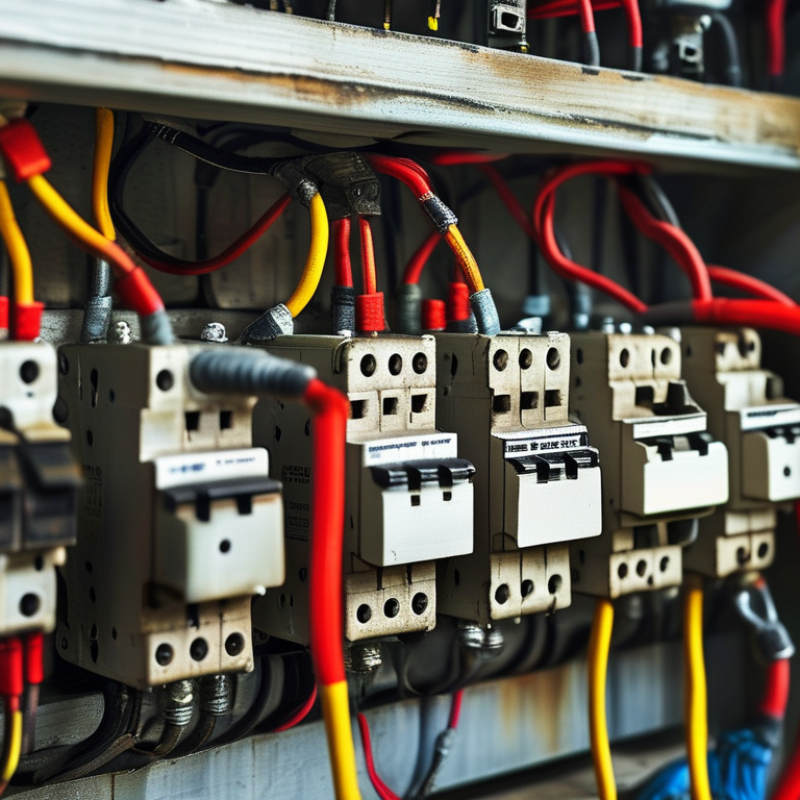
Understanding General Purpose Fuses: Definition and Functionality
General purpose fuses play a crucial role in electrical systems. These devices are designed to protect circuits from overloads and faults. When too much current flows, the fuse melts and interrupts the circuit. This simple yet effective mechanism prevents potential hazards like fires or equipment damage.
Understanding how general purpose fuses work is essential for anyone dealing with electrical components. They come in various sizes and ratings. Choosing the correct fuse ensures optimal protection for specific applications. Not all fuses are created equal. Some may fail prematurely or not respond in time during a fault. It's vital to consider various factors, including operational environment and expected load.
Even experienced professionals sometimes overlook specific details. A fuse may appear functional but could have hidden weaknesses. Regular maintenance and checks are necessary to ensure reliability. It's important to replace fuses that show signs of wear or corrosion. By doing so, you maintain safety in your electrical systems and avoid unexpected failures. Remember, a little caution can go a long way in safeguarding your investments.
Types of General Purpose Fuses: An Overview of Options Available
When considering general purpose fuses, it's crucial to understand the different types available. Various options cater to specific needs and applications. For instance, cartridge fuses are compact and ideal for protecting circuits inside equipment. They come in multiple ratings, accommodating various electrical loads. Glass and ceramic types provide visibility for quick inspection, which adds convenience for maintenance.
Another option is blade fuses. These are common in automobile and household applications. Their design allows for easy replacement without special tools. It simplifies routine checks and enhances safety. Resettable circuit breakers stand out too. Unlike traditional fuses, these can be reset after tripping, preventing the need for replacement.
While exploring these choices, it's essential to assess their attributes carefully. Each type offers unique benefits and limitations. Some may be overly sensitive, leading to frequent interruptions. Others might not react fast enough, risking damage to electrical components. Users should reflect critically on their specific requirements and the environment in which the fuses will be used. This evaluation will ensure the selected fuse aligns with their safety and performance goals.
Benefits of Using General Purpose Fuses in Electrical Systems
When it comes to electrical systems, general purpose fuses offer significant advantages. These components are designed to provide protection against overloads and short circuits. Reliable and simple, they safeguard expensive equipment and wiring. The ease of installation appeals to both professionals and DIY enthusiasts alike.
One key benefit is the cost-effectiveness of general purpose fuses. They are usually less expensive than specialized fuses. This affordability makes them a practical choice for various applications. Furthermore, they are widely available, making sourcing them easy. However, there are instances where incorrect specifications lead to problems. It’s essential to select the right fuse for your specific needs to avoid any mishaps.
General purpose fuses are versatile, suitable for residential and industrial applications. They provide an efficient way to manage electrical safety. Regular checks can extend their lifespan. However, users must be mindful of potential risks. Ignoring signs of wear can lead to significant issues. Understanding your electrical needs is crucial in choosing the right protection.
Installation and Maintenance Tips for General Purpose Fuses
When installing general purpose fuses, safety is essential. Start by ensuring the power is off before you begin. Use insulated tools to prevent accidents. Choose the correct amperage for your application to avoid overloading. Always consult the manufacturer’s guidelines for installation specifics.
Maintenance is equally important. Regularly inspect fuses for signs of wear or damage. Replace any that appear burnt or corroded. Maintain a log of fuse replacements to keep track of their lifespan. This helps ensure your electrical system operates reliably. Remember, not all fuses last the same amount of time. Factors like humidity and temperature can influence performance.
Stay organized during maintenance. A clutter-free workspace can prevent mistakes. Consider scheduling routine checks to catch issues early. Proper documentation and attention to detail will enhance the longevity of your electrical systems. Observing these tips can lead to safer and more efficient use of general purpose fuses.
Comparing General Purpose Fuses to Other Protective Devices
When assessing electrical protection, general purpose fuses stand out compared to other devices. While circuit breakers offer reset capabilities, fuses provide clear cut protection by melting when exposed to excess current. This ensures immediate disconnection, minimizing the risk of damage to connected devices.
Reports indicate that about 25% of electrical fires result from overloaded circuits. General purpose fuses are designed to hold specified amperage ratings, effectively preventing such incidents. Unlike thermal circuit breakers that may trip due to temperature fluctuations, fuses respond more reliably to overloads. This reliability can be vital in critical applications like data centers or manufacturing plants.
Another consideration is the lifespan of protective devices. Fuses generally exhibit longer operational life when subjected to typical load conditions. Their simple construction contributes to this longevity, making them a less complex choice. However, one must acknowledge the need for regular monitoring and replacement of blown fuses, which adds to maintenance tasks. This process can sometimes be overlooked, leading to potential risks.
FAQS
: General purpose fuses protect circuits from overloads and faults by melting when too much current flows.
Fuses prevent hazards like fires and equipment damage, ensuring safety in electrical systems.
Consider the size, rating, operational environment, and expected load for optimal protection.
Yes, some fuses may have hidden weaknesses despite appearing functional. Regular maintenance is essential.
Options include cartridge fuses, glass and ceramic fuses, blade fuses, and resettable circuit breakers.
Cartridge fuses are compact and designed for protecting circuits within equipment, suitable for various loads.
Blade fuses allow easy replacement without tools, simplifying checks and promoting safe practices.
Resettable circuit breakers can be reset rather than replaced, making them a convenient choice during faults.
Yes, overly sensitive fuses may create frequent interruptions, which can disrupt operations.
Regular checks ensure reliability and safety, helping avoid unexpected failures or hazards in electrical systems.
Conclusion
General Purpose Fuses are essential components in electrical systems, designed to protect circuits from overcurrent conditions. These fuses function by melting when a current exceeds a predetermined limit, thereby interrupting the flow of electricity. Various types of General Purpose Fuses are available, each catering to specific applications and environments, making it crucial to select the appropriate type for optimal performance.
The benefits of using General Purpose Fuses include cost-effectiveness, reliability, and ease of installation and maintenance. Ensuring proper installation and routine checks can enhance their lifespan and effectiveness. When compared to other protective devices, General Purpose Fuses often provide a simpler solution for circuit protection, making them a popular choice for a wide range of electrical needs. Understanding these aspects can help users make informed decisions when choosing fuses for their systems.
 Shu Guang
