In today's electrical industry, the choice of materials is crucial. Silicone Rubber Insulator stands out for its advanced properties. According to a recent report by the International Electrotechnical Commission, silicone rubber insulators exhibit superior thermal stability and electrical insulation, withstanding temperatures from -60°C to 200°C. This resilience makes them highly reliable for various applications.
The importance of durability cannot be overstated. In a study published by the IEEE, silicone rubber insulators demonstrated a significantly lower failure rate compared to traditional materials under harsh conditions. Users report higher performance levels and longevity, which result in reduced maintenance costs. However, not all applications may benefit equally from silicone rubber insulators. It is essential to evaluate specific needs before choosing this material.
Silicone Rubber Insulator offers unique advantages, but potential drawbacks exist. For instance, they can be more expensive than other options. Additionally, improper installation may lead to performance challenges. As with any material selection, a careful assessment of both benefits and limitations is necessary for optimal results in electrical systems.
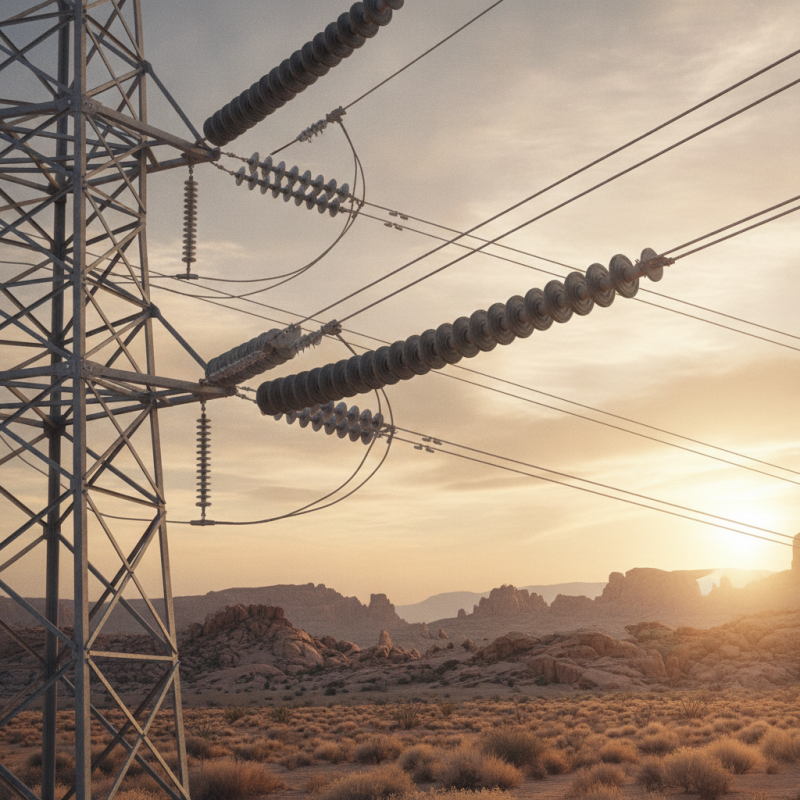
Advantages of Silicone Rubber Insulators Over Traditional Materials
Silicone rubber insulators are gaining popularity in various electrical applications. One main advantage is their superior temperature resistance. Traditional insulators can crack or degrade at high temperatures. Silicone rubber, however, maintains its integrity. This durability extends the lifespan of electrical systems significantly.
Another key benefit is the excellent electrical insulation properties. Silicone rubber has a high dielectric strength. This prevents electrical leakage and enhances safety. Furthermore, it is inherently resistant to moisture, UV rays, and harsh chemicals. Traditional materials can deteriorate under similar conditions. This makes silicone a reliable choice for outdoor applications.
Despite these advantages, the transition to silicone rubber isn’t without challenges. Some engineers may be hesitant due to familiarity with conventional materials. They might question the upfront costs associated with high-quality silicone insulators. It’s crucial to weigh long-term savings against initial investments. Balancing reliability and cost-effectiveness requires a detailed evaluation of specific project needs.
Key Properties of Silicone Rubber That Enhance Electrical Insulation
Silicone rubber is increasingly favored for electrical insulation due to its exceptional properties. Its high dielectric strength ensures that it can withstand significant voltage levels without breaking down. This strength reduces the risk of electrical failures in sensitive devices. Moreover, silicone rubber remains stable across a wide temperature range, from extreme lows to high heat. This characteristic is vital in applications exposed to varying environmental conditions.
Another important property of silicone rubber is its excellent resistance to aging. Over time, materials can degrade, but silicone maintains its integrity. This longevity leads to fewer replacements and repairs, saving costs in the long run. Additionally, silicone rubber exhibits impressive flexibility, allowing it to conform to various shapes and surfaces. This adaptability is particularly beneficial in complex electrical assemblies.
Despite its many advantages, some users may overlook silicone rubber's lower tensile strength compared to other materials like EPDM. In applications requiring high mechanical strength, this might warrant consideration. It's essential to evaluate your specific needs. Understanding both the strengths and limitations of silicone rubber enables informed choices. Making careful selections can enhance performance in electrical applications.
Applications of Silicone Rubber Insulators in Various Industries
Silicone rubber insulators are widely used in many industries due to their excellent temperature resistance and electrical properties. In the automotive sector, they ensure safe electrical connections. These insulators protect against moisture and dust, which can lead to equipment failure. They are often found in high-voltage environments, providing reliable insulation even under extreme conditions.
In the renewable energy field, silicone rubber insulators play a crucial role. They are commonly used in solar panels and wind turbines. These insulators help maintain performance by preventing electrical leakage. The durability of silicone rubber against UV light is essential in outdoor applications, prolonging the life of the equipment. However, it is important to regularly check for wear and tear.
In the aerospace industry, the safety aspect cannot be ignored. Silicone rubber insulators are vital for preventing electrical shorts in critical systems. Their flexibility allows them to adapt to various shapes and sizes in complex machinery. Yet, the potential for failure still exists. Regular inspection and maintenance are key to ensuring ongoing reliability.
Why Choose Silicone Rubber Insulator for Your Electrical Needs?
| Industry |
Application |
Key Benefits |
Temperature Range (°C) |
| Electronics |
Circuit Board Insulation |
High dielectric strength |
-60 to 200 |
| Automotive |
Wire Harness Insulation |
Resistance to heat and chemicals |
-40 to 180 |
| Aerospace |
High Voltage Insulators |
Lightweight and durable |
-70 to 250 |
| Telecommunications |
Connector Insulation |
Excellent waterproof properties |
-60 to 200 |
| Medical |
Device Insulation |
Biocompatible and non-toxic |
-50 to 190 |
Comparison of Cost-Effectiveness of Silicone Rubber Insulators
When considering electrical insulation, the cost-effectiveness of silicone rubber insulators stands out. These insulators offer durability and reliability, which can lead to savings over time. Silicone rubber resists extreme temperatures and harsh environmental factors. This resilience ensures that they often outlast their cheaper counterparts, reducing replacement costs.
However, the initial investment in silicone rubber can be higher. This may deter some consumers focused solely on upfront expenses. Yet, when evaluating long-term performance, the benefits become clear. Fewer replacements mean less maintenance and fewer disruptions in operations. The effectiveness in high-voltage applications further enhances their value.
In some scenarios, alternative materials may seem tempting due to lower costs. But, these often come with risks of failure and higher replacement rates. The balance between cost and quality is crucial. Investing in silicone rubber insulators is often a strategic decision that pays off in the long run. Ignoring this could lead to greater expenses down the line.
Maintenance and Durability of Silicone Rubber Insulators in Harsh Environments
Silicone rubber insulators stand out in durability, especially under harsh environments. Their resistance to extreme temperatures ranges from -60°C to 200°C. This broad range makes them ideal for both cold and hot climates. A report by the International Electrotechnical Commission indicates that silicone rubber can maintain its dielectric properties even after prolonged exposure to UV radiation. This is crucial for outdoor applications where conventional materials could degrade quickly.
In terms of maintenance, silicone insulators show remarkable performance. They typically require less upkeep than other materials. For instance, their hydrophobic properties prevent water accumulation, which can lead to electrical failures. A study highlighted that silicone rubber insulators can outperform traditional insulators in reducing pollution-related flashovers by up to 35%. However, these materials are not entirely impervious to damage. They may suffer from abrasion or mechanical stress, requiring periodic inspections to ensure safety and functionality.
Moreover, while silicone rubber’s cost might be higher than other insulating materials, its longevity can lead to lower overall expenses. The average lifespan of silicone rubber insulators is often reported to be over 30 years. This indicates a need for careful consideration of initial investments versus long-term benefits. Balancing these factors is essential for making informed decisions about electrical applications in challenging environments.
FAQS
: Their superior temperature resistance enhances durability and extends the lifespan of electrical systems significantly.
Silicone rubber offers excellent electrical insulation with high dielectric strength, preventing electrical leakage and enhancing safety.
Yes, they resist moisture, UV rays, and harsh chemicals, making them a reliable choice for outdoor applications.
Some engineers hesitate due to familiarity with conventional materials and concern over upfront costs versus long-term savings.
They are widely used in automotive, renewable energy, and aerospace sectors for their reliability and performance.
They endure extreme temperatures from -60°C to 200°C and maintain dielectric properties after UV exposure.
They typically require less upkeep, thanks to hydrophobic properties that prevent water accumulation.
Their average lifespan is often over 30 years, indicating lower long-term costs despite potentially higher initial investments.
Yes, they may suffer from abrasion or mechanical stress, necessitating periodic inspections for safety.
Balance initial costs with long-term benefits and evaluate specific project needs for informed decision-making.
Conclusion
Silicone Rubber Insulators are increasingly favored for electrical applications due to their numerous advantages over traditional insulating materials. Their key properties, such as excellent thermal stability and resistance to environmental factors, significantly enhance electrical insulation, making them suitable for various industrial uses. These insulators not only exhibit superior performance in harsh conditions but are also cost-effective when considering their longevity and reduced maintenance needs.
In addition to their reliability, Silicone Rubber Insulators demonstrate remarkable durability, maintaining their insulating properties even in extreme temperatures and exposure to moisture. This resilience makes them ideal for applications across multiple industries, from energy to telecommunications. Ultimately, the combination of performance, cost-effectiveness, and durability positions Silicone Rubber Insulators as a smart choice for modern electrical needs.
 Shu Guang
