
Shu Guang Shu Guang

How to Choose the Right Fuse Cut Out for Your Needs?

Time:2026-05-07 Author:Ethan
0%

Choosing the right Fuse Cut Out is crucial for any electrical system. The Fuse Cut Out serves as a protective device, ensuring safety and efficiency. It disconnects the circuit when there's an overload, preventing damage. However, selecting the right type can be daunting.

Different applications demand different Fuse Cut Outs. Factors such as voltage rating, current capacity, and installation environment play a significant role. Consider the specifics of your project. The right choice can enhance reliability and performance.

Many overlook the importance of quality. Not all Fuse Cut Outs are created equal. Choosing a reputable brand can make a notable difference. It’s essential to reflect on your past experiences and seek expert advice. Evaluating your options carefully will lead to better outcomes.
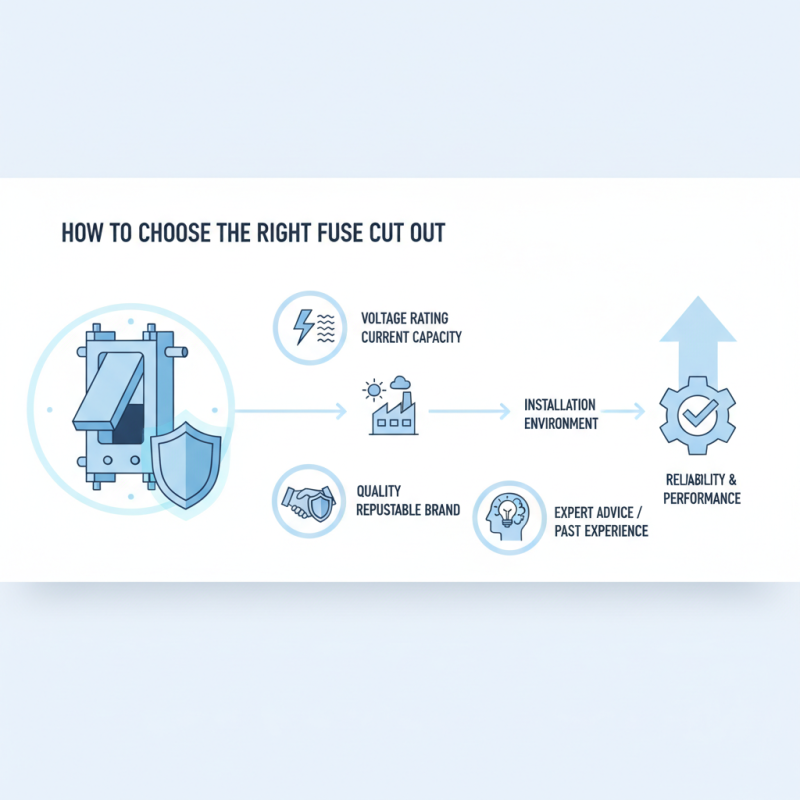
How to Choose the Right Fuse Cut Out for Your Needs?

Understanding the Function and Importance of Fuse Cut Outs

Fuse cut outs play a crucial role in electrical systems. They protect equipment and circuits from overload and short circuits. Understanding their function helps in selecting the right one for specific needs.

A fuse cut out disconnects a circuit during faults. This prevents damage to transformers and distribution systems. Choosing the wrong size can lead to failures. It’s important to consider both voltage and current ratings to avoid issues.

Installation can be tricky. Proper positioning ensures effective protection. Over time, wear and environmental factors may affect performance. Regular maintenance checks help avoid unexpected failures. Reflecting on past experiences can guide better choices in the future.

Understanding Fuse Cut Outs: Performance and Ratings

Types of Fuse Cut Outs and Their Applications

When selecting a fuse cut out, it is essential to understand the different types available and their specific applications. Fuse cut outs are critical for protecting electrical systems from overload and fault conditions. There are generally two main types: expulsion fuses and current-limiting fuses. Expulsion fuses are designed to handle high fault currents and automatically clear faults by expelling the arc that forms during a fault condition. These are commonly used in overhead power lines. They provide reliable protection and are often favored for their simplicity.

Current-limiting fuses, on the other hand, are designed to minimize the let-through energy during fault conditions. This type can be more effective in high-power applications where avoiding equipment damage is crucial. They typically offer better performance by reducing the peak current during faults. While opting for these, one must consider the installation environment and the specific load they will protect. Different settings—such as residential areas versus industrial sites—demand careful evaluation of cut out specifications. An improper choice not only leads to inefficiencies but can also risk safety. Always evaluate specific needs before making a decision.

How to Choose the Right Fuse Cut Out for Your Needs? - Types of Fuse Cut Outs and Their Applications

Type of Fuse Cut Out Voltage Rating (V) Current Rating (A) Application
Porcelain Fuse Cut Out 15-25 kV 15-30 A Distribution Systems
Composite Fuse Cut Out 15-35 kV 25-60 A Rural Electrification
Dropout Fuse Cut Out 5-15 kV 20-100 A Overhead Lines
Single-Phase Fuse Cut Out 10-15 kV 15-30 A Residential Services
Three-Phase Fuse Cut Out 15-25 kV 30-100 A Industrial Applications

Factors to Consider When Choosing a Fuse Cut Out

Selecting the right fuse cut out is crucial for safety and reliability. When considering a fuse cut out, start with the voltage and current ratings. These specifications determine the fuse's capability to handle electrical loads. Assess the maximum system voltage and ensure the fuse can accommodate it. Check the current rating to match your needs. Surpassing these limits can lead to failure or hazards.

Next, think about the installation environment. Factors like temperature, humidity, and exposure to corrosive elements can affect performance. For outdoor use, a robust and weather-resistant design is essential. Ensure the materials used can withstand local conditions. Evaluate the ease of maintenance and accessibility as well. An unreachable fuse cut out complicates troubleshooting and repairs.

Finally, review the fuse cut out’s features. Some models include additional safety features such as visual indicators or integrated surge protection. These can provide added peace of mind. However, don’t overlook the importance of basic functionality. Even a simple fuse cut out should perform well. It’s worth considering both innovative features and traditional reliability in your decision.

Installation and Maintenance Tips for Fuse Cut Outs

When installing fuse cut outs, proper attention to detail is essential. These components protect electrical circuits and are critical for system reliability. Installation should follow guidelines outlined by the National Electrical Manufacturers Association (NEMA). According to industry reports, improper installation can lead to 25% of electrical failures. Ensuring correct alignment and secure mounting can prevent operational issues later.

Routine maintenance is equally important. Experts recommend inspecting fuse cut outs every six months. Look for signs of wear, corrosion, or overheating. Regular checks can extend the lifespan of these devices by up to 30%. Many users overlook this aspect, leading to costly downtimes. A clean and clear environment around the cut out enhances safety. Dust and debris can impair functioning and invite potential hazards.

Consider future upgrades during installation. Choose compatible components that allow easy modifications. Data suggests that 40% of installations require revisions to meet evolving technology demands. Planning ahead can save time and costs down the line. Remember, while quality matters, the installation environment greatly influences performance. Keep everything in mind for optimal results.

Safety Standards and Regulations for Fuse Cut Outs

When selecting a fuse cut out, understanding the safety standards is crucial. Electrical safety regulations play a vital role in ensuring reliable operation. According to the NEMA, compliance with local codes is mandatory. This ensures that installations meet specific safety requirements and reduce risks. For instance, cut outs must be rated according to the voltage levels they will encounter.

Here are some tips for safety compliance:

  • Always check the local electrical codes before installation.
  • Consider the environmental conditions. Outdoor installations require weather-resistant options.
  • Pay attention to the current rating to avoid overheating.

Another point of concern is the material used in fuse cut outs. High-quality materials increase durability and performance. The IEC highlights this factor in its guidelines. Using subpar materials can lead to failures and dangerous situations. Regular inspections are necessary to maintain ongoing compliance.

Assess your current setups periodically. Look for signs of wear or damage. Even minor issues can escalate quickly. Prioritize safety and regulatory adherence to prevent accidents.

FAQS

: What is the role of fuse cut outs in electrical systems?

: Fuse cut outs protect equipment and circuits from overload and short circuits. They are essential for system reliability.

How do fuse cut outs disconnect circuits?

They disconnect a circuit during faults, preventing damage to transformers and other distribution systems.

What happens if the wrong size fuse cut out is chosen?

Choosing the wrong size can lead to failures. It's vital to consider both voltage and current ratings.

How often should fuse cut outs be inspected?

Experts recommend inspecting them every six months. Regular checks can prevent unexpected failures.

What signs should I look for during inspections?

Look for wear, corrosion, or overheating. Ignoring these can lead to costly downtimes.

How does installation affect the performance of fuse cut outs?

Proper alignment and secure mounting are crucial. Improper installation can cause major operational issues.

Should I consider future upgrades when installing fuse cut outs?

Yes, choosing compatible components allows for easy modifications later, which can save costs and time.

Why is the environment around the fuse cut out important?

A clean surrounding enhances safety. Dust can impair function and lead to potential hazards.

How does regular maintenance impact fuse cut outs?

Regular maintenance can extend the lifespan of these devices by up to 30%. Many users forget this aspect.

What mistakes do users commonly make regarding fuse cut outs?

Users often overlook maintenance, leading to operational failures and unexpected expenses.

Conclusion

Fuse Cut Outs are essential components in electrical systems, designed to protect circuits from overloads and faults. Understanding their function and importance is crucial for ensuring a reliable power supply. There are various types of Fuse Cut Outs available, each suited for specific applications ranging from residential to industrial settings. When choosing the right Fuse Cut Out, factors such as voltage rating, current capacity, and environmental conditions must be carefully considered to ensure optimal performance and safety.

Proper installation and maintenance of Fuse Cut Outs are vital for their longevity and effectiveness. Regular inspections and adherence to safety standards and regulations help mitigate risks and enhance the safety of electrical installations. By taking these considerations into account, individuals and organizations can select the most suitable Fuse Cut Out for their needs, ensuring a stable and secure electrical network.

Ethan

Ethan

Ethan is a seasoned marketing professional with a deep expertise in our company's innovative product line. With a passion for sharing knowledge and insights, he takes the lead in regularly updating our corporate blog, where he explores industry trends, product features, and effective marketing......