
Shu Guang Shu Guang

How to Choose Din Standard Fuse for Your Electrical Needs?

Time:2026-09-04 Author:Sophia
0%

When selecting a Din Standard Fuse for your electrical requirements, it's crucial to understand your options. The Din Standard Fuse is widely used in various applications, ensuring safety and functionality. With many types available, choosing the right fuse can be daunting.

Consider the voltage and current ratings. These specifications must match your system's needs. Inadequate ratings can lead to failures or even hazards. Assessing your situation is essential. Not all Din Standard Fuses are equal, and the differences can impact performance.

Also, think about the environment where the fuse will be used. Certain fuses may perform poorly in extreme temperatures or humid conditions. Understanding the operational context is vital. While the selection process may seem straightforward, it often requires careful thought and consideration. Always seek advice from professionals to validate your choices.
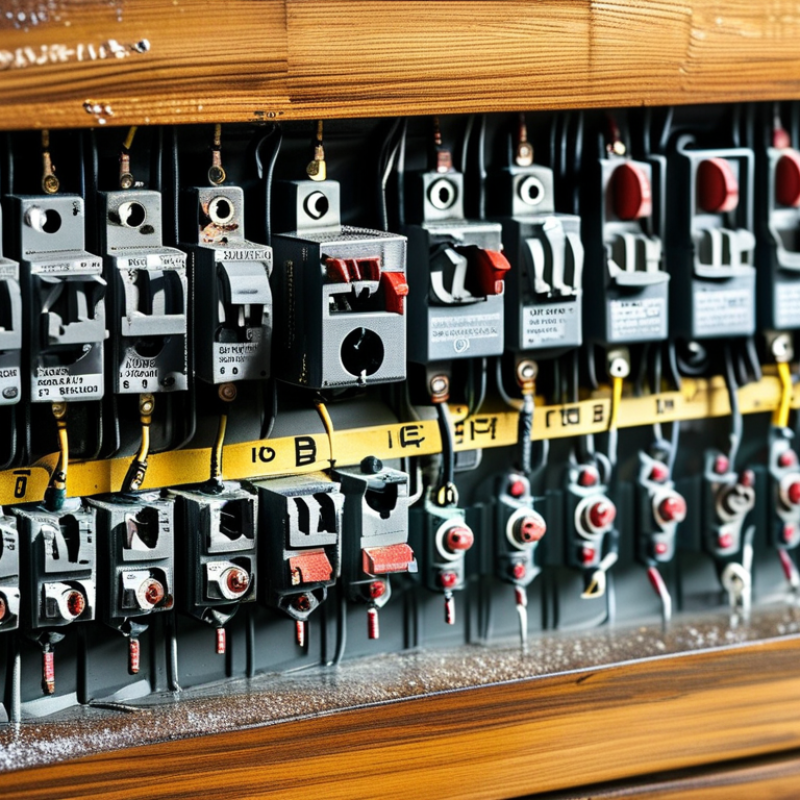
How to Choose Din Standard Fuse for Your Electrical Needs?

Understanding DIN Standard Fuses: An Overview

Understanding DIN standard fuses is crucial for anyone dealing with electrical systems. These fuses play a key role in protecting circuits from overloads. DIN fuses adhere to specific dimensions and ratings outlined in the German Institute for Standardization. Their standardized format ensures compatibility across various applications from industrial to commercial settings.

According to a report by the International Electrotechnical Commission, improper fuse selection can lead to significant system failures, resulting in costly repairs. Therefore, understanding the ratings, such as current and voltage, is vital. Electrical engineers often recommend assessing your load requirements prior to choosing a fuse. This approach minimizes risks of inappropriate selections that could compromise electrical safety.

Ensuring the relevant DIN standard is met is another consideration. For example, the DIN 41622 standard specifies fuse dimensions for specific applications. Always verify if the fuse meets this standard to avoid potential compatibility issues.

Fusing systems can sometimes be tricky. Do not overlook the importance of installation quality. A poorly installed fuse could fail to trip as intended. Regular maintenance checks are necessary to identify signs of wear. This diligence can help prevent unexpected outages.

Types of DIN Standard Fuses and Their Applications

DIN standard fuses come in various types, each designed for specific applications. One common type is the rapid fuse. These fuses work quickly to protect sensitive devices from overloads. They are ideal for applications with motors and transformers. Another type is the slow-blow fuse. These fuses tolerate temporary surges, making them suitable for equipment that experiences high inrush currents.

MELF fuses are another option, typically used in circuits with limited space. The cylindrical shape allows for compact installations. Cartridge fuses also play a crucial role in higher-voltage applications. These fuses offer a robust solution for industrial settings, providing reliable circuit protection. Users should consider factors like voltage rating and current capacity when selecting a fuse.

While choosing a fuse, reflect on the specific needs of your equipment. Think about the environment where it will operate. Whether it's in a home or industrial space, ensure it meets all safety standards. The risk of incorrect selection can lead to equipment failure. Always opt for fuses that align with your electrical requirements to maintain safety and reliability.

Factors to Consider When Choosing a DIN Standard Fuse

Choosing the right DIN standard fuse for your electrical needs requires careful consideration. Factors such as current rating, voltage, application, and breaking capacity play a crucial role. Current rating determines how much current the fuse can handle before blowing. For example, a fuse rated for 10A will blow when the current exceeds this level. Understanding your load requirements is essential.

When looking at voltage ratings, ensure the fuse can handle the maximum voltage in your system. A fuse with a lower voltage rating may pose a fire risk. Breaking capacity is also vital. This indicates how much fault current the fuse can interrupt safely. Various industry standards, including IEC 60269, provide guidance on these parameters.

To optimize your selection process, consider consulting technical data sheets and industry reports. For instance, studies by the International Electrotechnical Commission highlight the importance of selecting the right fuse to enhance system safety and performance.

Factoring in environmental conditions, such as temperature and humidity, can impact a fuse’s lifespan. Reflect on your application’s demands to avoid premature failures.

Understanding these aspects can guide you towards making a well-informed choice. Conducting a thorough analysis helps ensure long-term reliability and safety.

How to Choose DIN Standard Fuse for Your Electrical Needs

This bar chart illustrates various DIN standard fuse ratings and their corresponding number of applications. When selecting a fuse, consider the required current rating, as indicated by the data above, to ensure optimal protection for your electrical needs.

Determining the Correct Rating for Your Electrical Needs

Choosing the right DIN standard fuse involves understanding the electrical needs of your system. Start by assessing the total load. This means calculating the total current that your devices will draw during operation. Take into account each component’s ratings. Consider the possibility of surges in power and how often they occur. This insight allows you to select a fuse that can handle these situations without blowing unnecessarily.

When determining the correct rating, look for specifics. The fuse should have a rating slightly higher than the continuous load but lower than the maximum ratings of your equipment. You want safety and efficiency. A fuse that blows too easily disrupts operations. Conversely, a fuse rated too high may not protect your equipment sufficiently. Incorporate considerations for ambient temperature, as it affects the fuse's performance.

Reflect on your choices. Each application is unique, and factors may change over time. Regularly revisit your fuse selection. What worked last year may not suffice now. Stay informed about advances in technology. Ensure that your electrical setup remains safe and reliable by understanding these fundamentals. Each step you take towards choosing the right fuse enhances the stability of your electrical system.

Installation and Maintenance Tips for DIN Standard Fuses

When installing DIN standard fuses, proper handling is crucial. Make sure to wear insulated gloves. This helps protect against electric shock. Always turn off the power before starting any work. Missteps during installation can lead to serious hazards. Check the rating of the fuse to ensure it matches your electrical system needs.

Routine maintenance is essential for optimal performance. Inspect your fuses regularly for any signs of wear or damage. Look for discoloration or cracks in the fuse housing. These can indicate a potential failure point. If you notice any issues, replace the fuse immediately. Ignoring small problems can lead to larger issues down the road.

Understand the environment where the fuse operates. High humidity or extreme temperatures can affect performance. Ensure that the installation area is dry and well-ventilated. This minimizes the risk of premature failure. Maintaining a clean workspace is also vital. Dust and debris can cause fuses to overheat, leading to malfunction. Regular checks and a proactive approach are the keys to a reliable electrical system.

How to Choose DIN Standard Fuse for Your Electrical Needs? - Installation and Maintenance Tips for DIN Standard Fuses

Fuse Type Current Rating (A) Voltage Rating (V) Application Installation Tips Maintenance Tips
FF (Fast-acting) 5 400 Lighting Ensure proper connections to avoid overheating. Regularly check for signs of wear or damage.
TS (Time-delay) 10 400 Motors Install in a cool, dry place to maximize lifespan. Inspect periodically and replace when necessary.
D0 (Dual function) 16 500 Mixed Loads Use appropriate holders for better stability. Keep surroundings clean and dust-free.
R (Resettable) 20 600 Heavy Machinery Ensure compatibility with load to prevent tripping. Test reset functionality regularly to ensure reliability.

FAQS

: What are DIN standard fuses?

: DIN standard fuses protect electrical circuits from overloads. They follow specific dimensions and ratings.

Why is proper fuse selection important?

Improper fuse selection can cause system failures. This may lead to costly repairs and safety hazards.

How can I choose the right fuse?

Assess your load requirements before selecting a fuse. This helps prevent inappropriate selections.

What should I check before installation?

Verify the fuse meets the relevant DIN standard. This prevents compatibility issues during operation.

How can I ensure a safe installation?

Wear insulated gloves and turn off the power before installation. Avoiding missteps is crucial for safety.

How often should I check my fuses?

Regular inspections are necessary. Look for signs of wear, like discoloration or cracks in the housing.

What environmental factors should I consider?

High humidity or extreme temperatures can affect fuse performance. Ensure a dry and well-ventilated area.

What happens if I ignore small fuse issues?

Ignoring minor problems can lead to larger malfunctions later. Proactive maintenance is essential for reliability.

Why is installation quality important?

Poor installation may prevent fuses from tripping. This could result in serious hazards and system failures.

How can workspace cleanliness impact fuses?

Dust and debris can cause fuses to overheat. Regular cleaning helps maintain optimal fuse performance.

Conclusion

Choosing the right DIN Standard Fuse is essential for ensuring the safety and efficiency of your electrical systems. This article provides an overview of DIN Standard Fuses, including their various types and applications, such as protecting circuits in industrial and automotive environments. When selecting a DIN Standard Fuse, it's crucial to consider factors like current rating, voltage rating, and the specific requirements of your electrical setup.

Additionally, determining the correct rating for your needs involves assessing the load and potential short-circuit conditions. Proper installation and regular maintenance of DIN Standard Fuses are also critical to ensure they function effectively over time, protecting your electrical equipment from damage. By following these guidelines, users can make informed decisions about their electrical needs while utilizing DIN Standard Fuses appropriately.

Sophia

Sophia

Sophia is a dedicated marketing professional with an exceptional depth of knowledge about her company's products and services. With a keen understanding of market trends and customer needs, she crafts insightful blog posts that not only inform but also engage readers, enriching the company’s online......