Shu Guang
In recent years, the demand for Composite Polymer Insulators has surged across global markets. A report by ResearchAndMarkets predicts a compound annual growth rate (CAGR) of 5.7% from 2021 to 2026. This growth is attributed to the increasing need for efficient electrical transmission systems. With evolving technologies, Composite Polymer Insulators offer enhanced performance and durability compared to traditional materials.
However, the market is not without challenges. Issues like UV degradation and mechanical wear still need careful consideration. A study from MarketsandMarkets highlights that while Composite Polymer Insulators are gaining traction, their long-term reliability under extreme conditions can raise concerns among buyers. Manufacturers are urged to improve testing standards and material compositions to address these uncertainties.
Despite these hurdles, the trend is clear. Industry leaders are focusing on innovation to improve the properties of Composite Polymer Insulators. Reports indicate that advanced composites could solve existing problems, offering better insulation performance. Buyers must stay informed about these advancements while being cautious of the potential pitfalls.
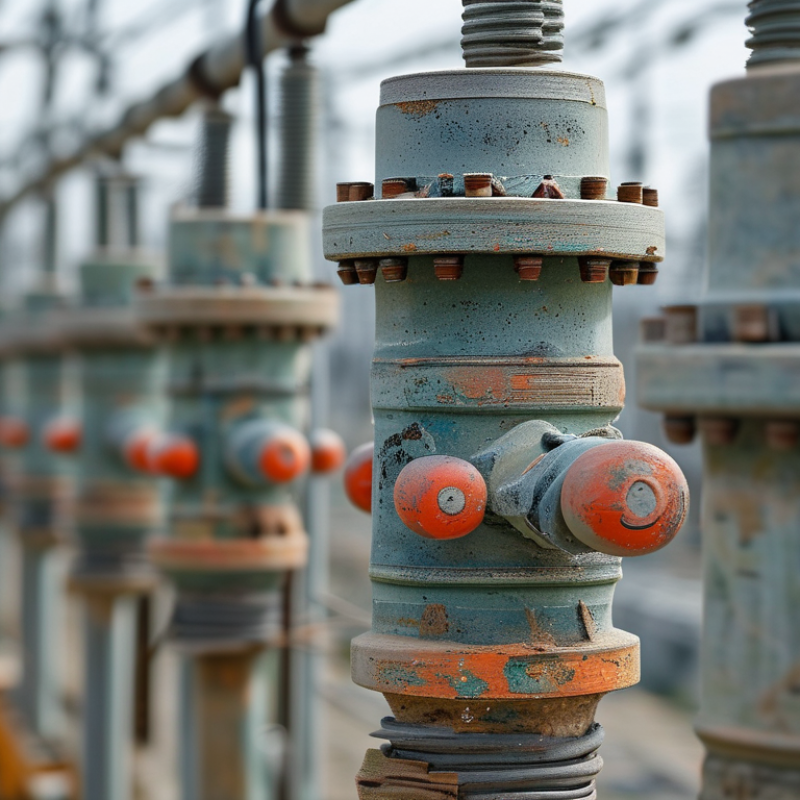
Emerging technologies in composite polymer insulators are shaping the future. In 2026, we expect advancements in materials and designs. Manufacturers are focusing on high-performance polymers. These materials enhance durability and resist environmental degradation. They also lead to longer service lives for insulators.
Another promising development is the integration of smart technologies. Sensors embedded in insulators can monitor performance in real-time. This innovation helps in early fault detection, reducing maintenance costs. Additionally, predictive analytics will aid in decision-making. However, challenges remain. Current technologies may face compatibility issues with older systems.
Sustainability is a critical focus as well. Biodegradable materials are gaining traction in production. This shift addresses environmental concerns. Still, the effectiveness of these materials must be thoroughly tested. Adoption of new technologies can lead to a learning curve. As the industry evolves, stakeholders must stay informed about best practices.
The global market for composite polymer insulators is evolving rapidly. Innovative materials and technologies are driving this change. Buyers are looking for products that offer superior electrical performance. Enhanced durability is equally important, especially in harsh environmental conditions. Manufacturers are increasingly focused on sustainability. This shift is motivated by the demand for eco-friendly solutions.
One key market driver is the growing emphasis on renewable energy sources. As wind and solar installations increase, the need for reliable insulators rises. Additionally, the push for infrastructure modernization fuels demand. Aging electrical grids require upgrades to improve efficiency. These factors create opportunities for innovation in composite polymer insulators.
Cost-effective solutions are also crucial in today's market. Producers must balance performance with affordability. This can be challenging in a competitive landscape. Buyers expect high-quality products without excessive costs. As trends evolve, the industry must adapt to meet these changing needs.
In recent years, composite polymer insulators have gained attention for their role in sustainability. These insulators are lightweight and durable, reducing the need for frequent replacements. Their manufacturing processes have also advanced, leading to lower energy consumption. As a result, companies are increasingly adopting these materials to minimize their environmental footprint.
Composite polymer insulators have several environmental benefits. They are resistant to harsh weather conditions, which prolongs their lifespan. This quality not only lowers waste but also reduces maintenance costs. However, there are concerns about the end-of-life process for these materials. Many manufacturers still lack clear recycling options. This gap requires attention from the industry.
Tips: Consider evaluating the sustainability reports of suppliers. Look for certifications that indicate environmental responsibility. Engaging in discussions within industry forums can lead to innovative solutions. Embrace a mindset of continuous improvement and be open to evolving practices.
| Trend | Impact on Sustainability | Environmental Benefits | Adoption Rate (%) | Estimated Market Growth ($ Billion) |
|---|---|---|---|---|
| Increased Use of Recycled Materials | Reduces raw material extraction | Lower carbon footprint | 45% | 2.5 |
| Lightweight Materials | Enhances energy efficiency | Reduced energy consumption | 55% | 3.0 |
| Smart Insulator Technologies | Integrates monitoring capabilities | Improves system reliability | 30% | 4.0 |
| Longer Lifespan Insulators | Minimizes waste | Less frequent replacements | 50% | 3.5 |
| Biodegradable Insulators | Reduces landfill impact | Supports circular economy | 20% | 1.0 |
In 2026, the demand for composite polymer insulators is expected to see significant variations across different regions. Research indicates that North America will experience a surge in demand due to ongoing infrastructure upgrades. The region is projected to account for approximately 35% of the global materials market for these insulators. This highlights a growing need for efficient energy transmission systems in aging grids.
Conversely, Asia-Pacific will likely exhibit the fastest growth rate. Analysts predict a CAGR of around 8% in this region. Nations such as India and China are investing heavily in renewable energy sources. This further boosts the adoption of composite polymer insulators, catering to the expanding electrical networks. However, challenges remain, including the need for quality assurance in production processes and the integration of new technologies.
Europe, while steady, may face stagnant growth. Stringent regulations on environmental impact continue to affect material choices. The reliance on traditional insulators poses a risk. Yet, in regions like Scandinavia, innovative applications of composite polymer insulators are emerging. The uneven distribution of demand and preferences across these regions emphasizes the complexity of the market landscape. Buyers will need to navigate these trends carefully.
Composite polymer insulators are gaining momentum in numerous industries. Their lightweight nature and resistance to environmental degradation make them ideal for harsh conditions. According to a report by the Research and Markets, the global composite insulator market is projected to reach $2.5 billion by 2026, highlighting the increasing demand in power transmission and distribution sectors.
In the renewable energy sector, composite polymer insulators find innovative applications. Wind turbines and solar energy installations benefit from their durability. These insulators enhance the efficiency of energy transport, both in terms of safety and reliability. A study published in the Journal of Electrical Engineering indicates that the use of composite materials can improve the lifespan of insulators by 30%. This improvement can lead to less frequent replacements and reduced maintenance costs.
Tips: Consider environmental factors when choosing insulators. The lifespan can vary significantly based on local conditions. Also, keep in mind that while composite polymer insulators are robust, they are not immune to competitive failures. Regular inspections are essential to ensure optimal performance.
: The need for renewable energy and infrastructure upgrades is increasing demand for these insulators.
Buyers prioritize insulators that withstand harsh conditions, ensuring longevity and reliability in their applications.
Manufacturers must balance quality and affordability to meet buyer expectations in a competitive market.
North America is projected to lead demand due to infrastructure upgrades, while Asia-Pacific may experience the fastest growth.
Their lightweight nature and durability improve safety and reliability in power transmission and distribution.
Ensuring quality assurance and integrating new technologies are significant challenges in this rapidly growing market.
No, they require regular inspections to prevent potential failures and ensure optimal performance levels.
Environmental factors can greatly impact the lifespan and performance of insulators in specific conditions.
The article "2026 Top Composite Polymer Insulator Trends for Global Buyers" explores the significant advancements and trends expected in composite polymer insulators by 2026. It highlights emerging technologies that are revolutionizing the design and functionality of these insulators, making them more efficient and reliable. Key market drivers, including rising energy demands and technological innovations, are outlined as influential factors shaping the industry landscape.
Additionally, the summary addresses the sustainability and environmental impact of composite polymer insulators, emphasizing their role in reducing carbon footprints. A regional analysis indicates varying demands across different markets, while innovative applications in diverse industries showcase their versatility. Overall, the article provides a comprehensive overview of the future of composite polymer insulators, catering to global buyers keen on understanding market dynamics and sustainability efforts.
